
In today’s fashion industry, luxury is no longer defined only by logos, celebrity endorsements, or expensive materials. More consumers — especially Gen Z, millennials, boutique brands, and independent designers — are paying attention to how handbags are made, where materials come from, and whether the production process is responsible. As sustainability, ESG values, slow fashion, and anti-fast-fashion movements continue to grow, ethical luxury bags have become one of the most important trends in the premium handbag market. But ethical luxury does not simply mean “vegan” or “eco-friendly.” Some brands focus on plant-based materials, while others prioritize responsibly sourced leather, artisan craftsmanship, fair labor, or circular fashion programs. In this guide, we will explore some of the most influential ethical luxury bag brands, explain what truly makes a handbag ethical and luxury, and examine the key manufacturing and sustainability trends shaping the future of premium handbags.
What Makes a Bag Brand Truly Ethical and Luxury?
An ethical luxury bag is not just an expensive handbag with an eco-friendly label. It should combine three core values: ethical production, sustainability, and luxury craftsmanship. In simple terms, it means a bag that is both high-end and responsible.
| Factor | What Makes It Ethical and Luxury |
|---|---|
| Ethical Production | Fair wages, safe working conditions, no child labor, fair trade practices, and transparent factory standards. |
| Sustainable Materials | LWG-certified leather, recycled leather, vegan leather, bio-based leather, organic cotton lining, recycled fabrics, or natural fibers. |
| Supply Chain Transparency | Clear information about factories, material sources, production countries, and traceability. High price alone does not mean ethical production. |
| Craftsmanship | Premium construction, refined hardware, careful stitching, durable structure, and long-lasting quality. |
| Sustainability Practices | Low-waste design, reduced carbon impact, recyclable packaging, repair programs, small-batch production, and circular fashion initiatives. |
| Luxury Positioning | Strong brand identity, boutique appeal, elegant design, premium customer experience, and high-end manufacturing standards. |
A key point is that ethical luxury does not always mean vegan. Some brands use plant-based or vegan leather, while others use responsibly sourced leather, deadstock leather, recycled leather, or low-impact tanning methods.
It is not a cheap “eco bag.” It is a well-crafted, premium handbag made with greater responsibility toward workers, materials, animals, and the environment.
Top 8 Ethical Luxury Bag Brands to Know
1. Stella McCartney
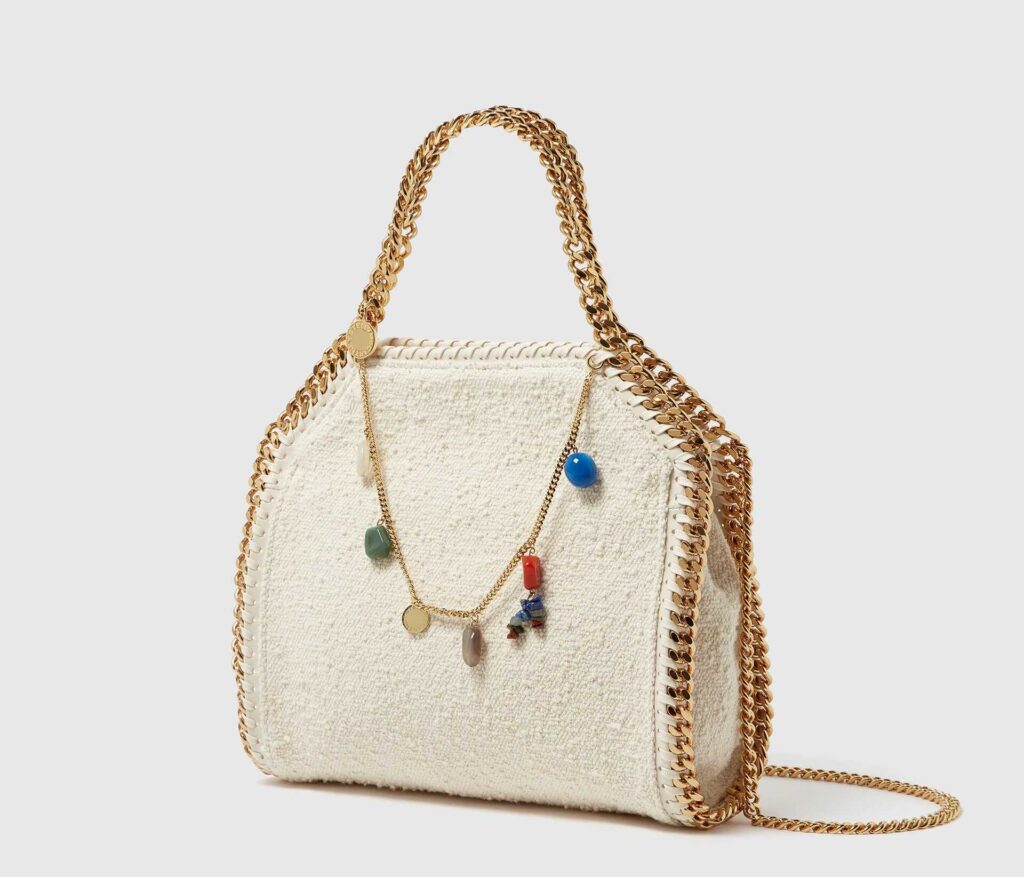
Stella McCartney is one of the most recognizable names in the ethical luxury fashion industry. Unlike many niche sustainable bag labels, it is a globally established designer brand with strong luxury positioning and international fashion influence.
- Ethical & Sustainability Focus:
The brand clearly states that its designer handbags are 100% vegan, avoiding the use of animal leather while investing heavily in cruelty-free alternative materials. Stella McCartney has also been one of the earliest luxury brands promoting sustainable innovation in fashion. - Materials & Craftsmanship:
Its iconic handbags, including the Falabella and Frayme collections, are crafted in Italy and made with conscious materials designed to deliver a premium leather-like appearance and durability without using animal skin. - Best For:
Luxury fashion consumers who want designer-level aesthetics while supporting vegan and cruelty-free values. - Why It Stands Out:
Stella McCartney successfully combines true luxury brand recognition with a long-term commitment to ethical and sustainable fashion.
2. Cuyana
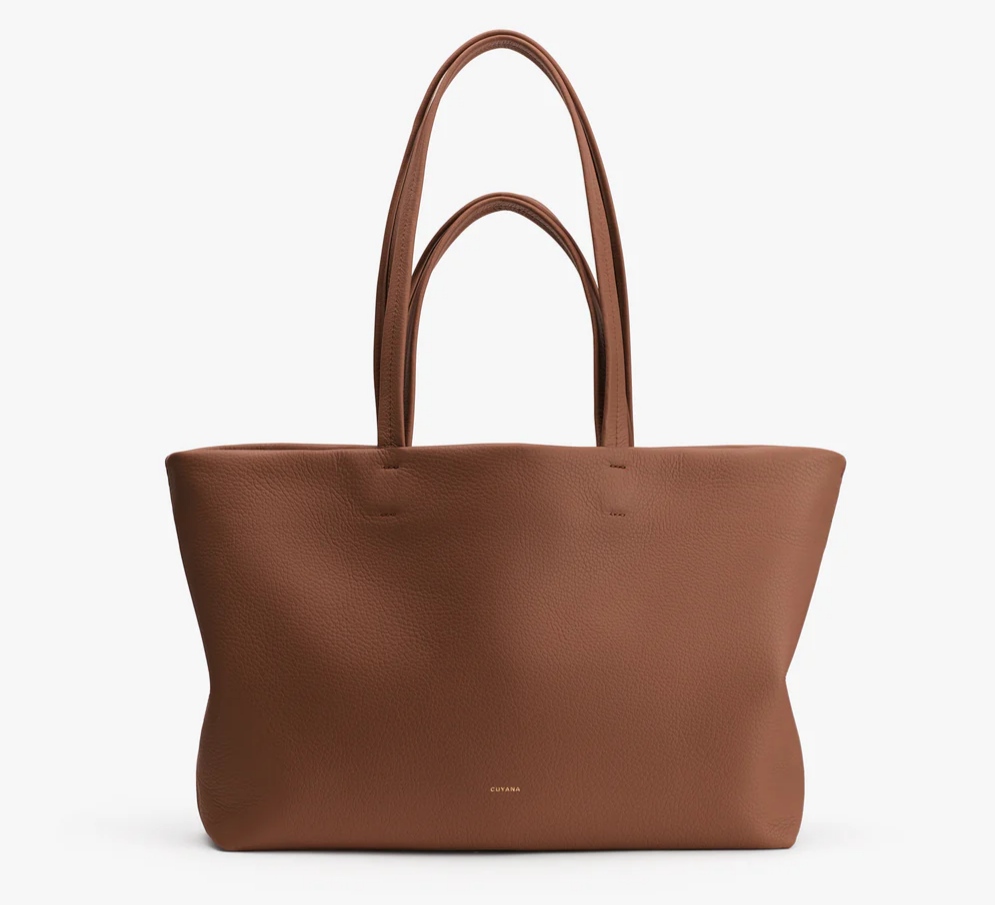
Cuyana is a well-known premium handbag brand in the U.S. market, built around its philosophy of “Fewer, Better.” The brand focuses on timeless essentials instead of trend-driven fast fashion.
- Ethical & Sustainability Focus:
Cuyana promotes thoughtful consumption through durable products, premium materials, and responsible production practices. The brand emphasizes buying fewer but higher-quality items designed to last for years. - Materials & Craftsmanship:
Unlike fully vegan brands, Cuyana focuses more on responsibly sourced leather and high-quality craftsmanship. Its products are designed for long-term daily use rather than seasonal replacement. - Best For:
Consumers looking for minimalist luxury, premium leather tote bags, and refined everyday handbags. - Why It Stands Out:
Cuyana represents a more practical form of ethical luxury by encouraging long-lasting, low-waste consumption through timeless design.
3. O My Bag
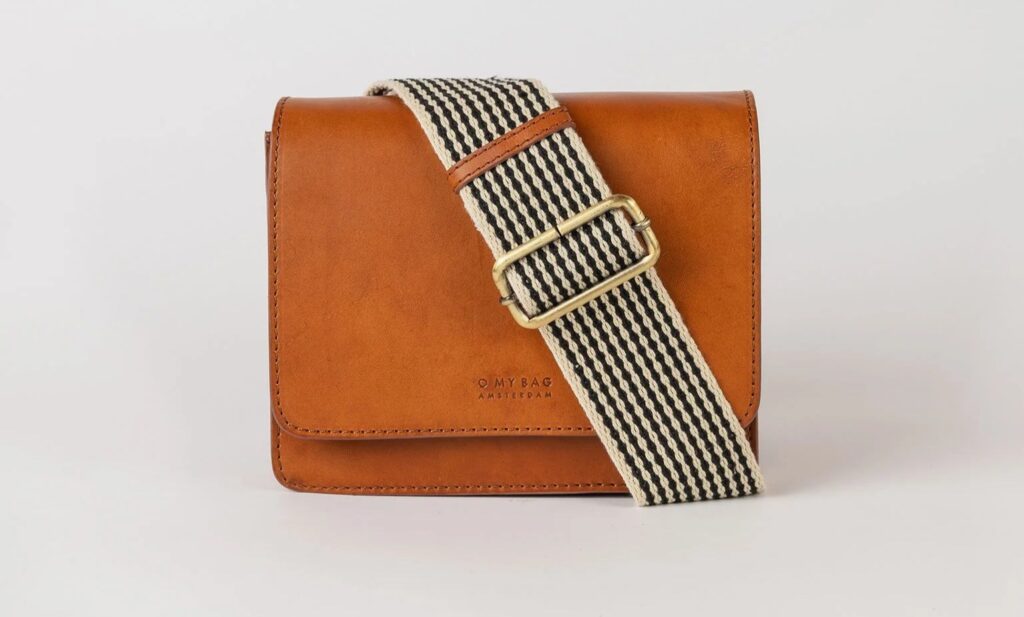
O My Bag is an Amsterdam-based ethical handbag brand known for combining vintage-inspired design with responsible leather production and fair trade manufacturing.
- Ethical & Sustainability Focus:
The brand is B Corp certified and works with LWG Gold Certified tanneries, focusing on fair labor, environmentally responsible leather tanning, and supply chain transparency. - Materials & Craftsmanship:
Most O My Bag products are handcrafted in India using responsibly sourced leather and alternative materials. The brand emphasizes ethical production partnerships and traditional craftsmanship. - Best For:
Consumers who appreciate genuine leather handbags but still want responsible sourcing and ethical manufacturing standards. - Why It Stands Out:
O My Bag offers one of the clearest examples of ethical leather luxury through its combination of certifications, fair trade production, and transparent sourcing.
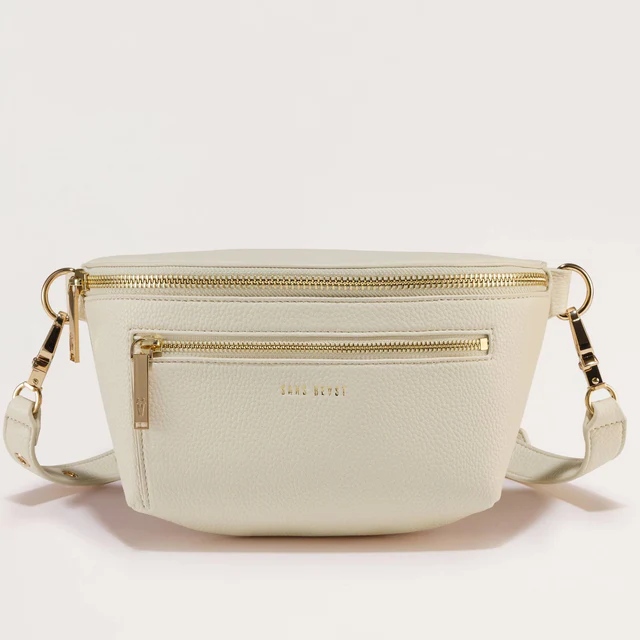
4. Sans Beast
Sans Beast is an Australian vegan handbag and accessories brand known for bold, modern styling and a strong cruelty-free identity.
- Ethical & Sustainability Focus:
The brand avoids all animal-derived materials and focuses on recycled synthetics, bio-based fabrics, and cruelty-free production methods. - Materials & Craftsmanship:
Its handbags use materials with recycled content, including recycled polyester linings, recycled PET materials, and certified recycled fabrics. The brand also highlights the use of GRS and RCS-certified components in some collections. - Best For:
Consumers interested in vegan fashion, contemporary bag design, and cruelty-free accessories. - Why It Stands Out:
Sans Beast stands out as one of the more recognizable premium vegan handbag brands with a strong visual identity.
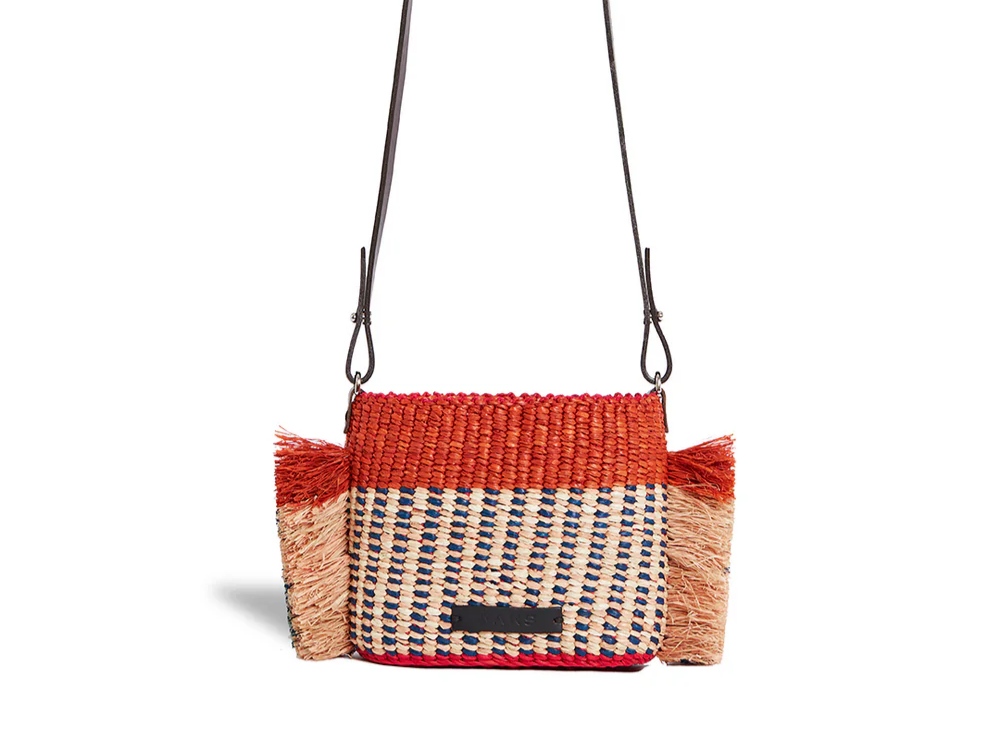
5. AAKS
AAKS is a Ghana-based artisan handbag brand recognized for its colorful raffia bags and handcrafted African weaving techniques.
- Ethical & Sustainability Focus:
The brand focuses on preserving traditional craftsmanship while supporting artisan communities in Ghana. It also uses naturally harvested raffia materials. - Materials & Craftsmanship:
AAKS handbags are handmade by skilled artisans using raffia fibers and traditional weaving methods. The brand’s luxury appeal comes more from craftsmanship and cultural storytelling than conventional leather luxury. - Best For:
Consumers looking for artisan luxury, vacation-style handbags, and handcrafted statement pieces. - Why It Stands Out:
AAKS represents a different side of ethical luxury — one rooted in artisan culture, heritage craftsmanship, and natural materials.
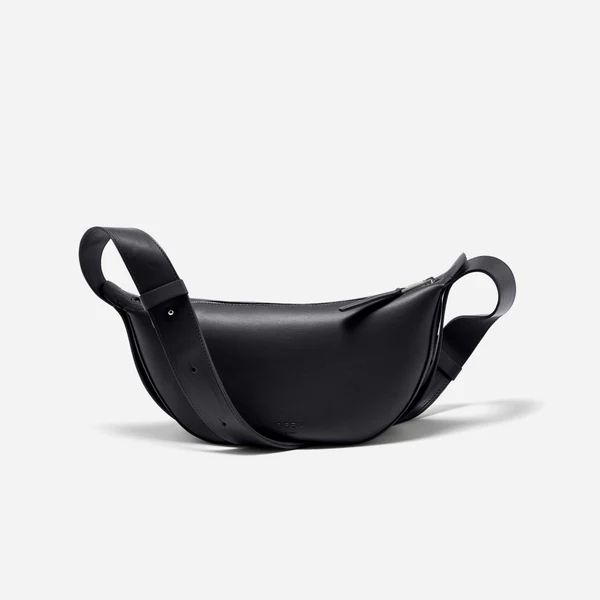
6. BEEN London
BEEN London is a circular design brand based in East London that creates premium handbags using recycled and reclaimed materials.
- Ethical & Sustainability Focus:
The company is B Corp certified and focuses on circular fashion by transforming waste materials into premium-quality accessories. - Materials & Craftsmanship:
Its bags are made from recycled leather, reclaimed materials, and other waste-based textiles. Production is carried out locally in London to reduce transportation impact and improve transparency. - Best For:
Consumers interested in recycled fashion, urban minimalist style, and circular design concepts. - Why It Stands Out:
BEEN London clearly demonstrates how waste materials can be transformed into stylish premium handbags without sacrificing quality.
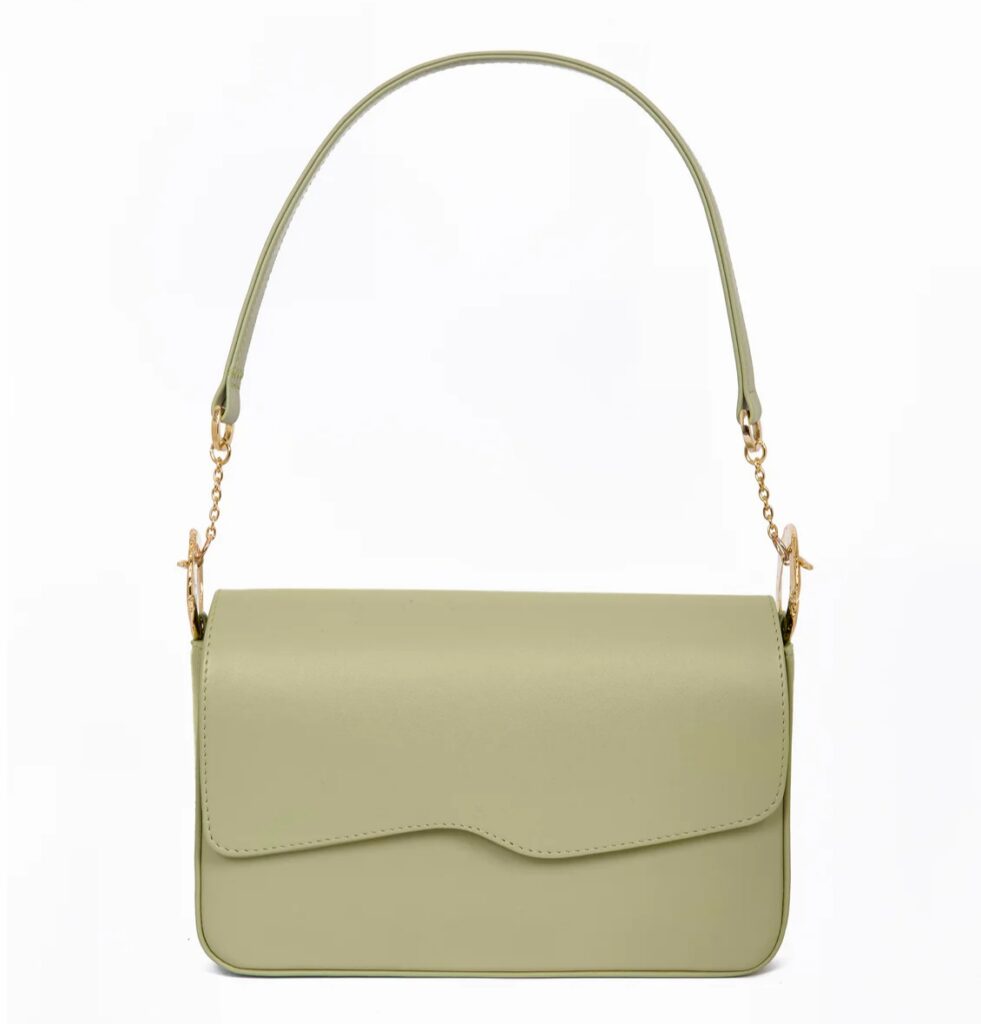
7. Mashu
Mashu is a British luxury vegan handbag brand known for its sculptural silhouettes, boutique aesthetic, and modern artistic styling.
- Ethical & Sustainability Focus:
The brand focuses heavily on plant-based and vegan materials while promoting low-impact luxury fashion. - Materials & Craftsmanship:
Mashu uses innovative materials such as AppleSkin, Uppeal, Yatay, and BioVeg. Many of its bags are handcrafted by artisans using vegan luxury materials designed to mimic premium leather finishes. - Best For:
Consumers seeking vegan luxury handbags with designer aesthetics and fashion-forward shapes. - Why It Stands Out:
Mashu has one of the clearest luxury vegan identities among emerging ethical handbag brands.
8. Hyer Goods
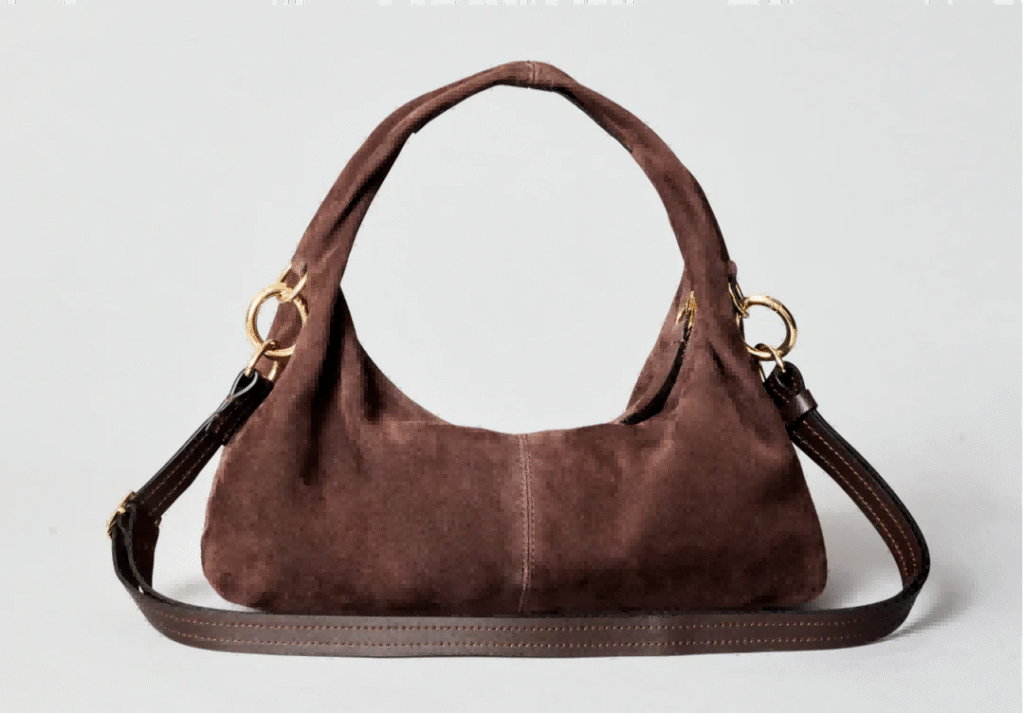
Hyer Goods is an ethical luxury handbag brand centered around the concept of upcycled luxury leather and small-batch craftsmanship.
- Ethical & Sustainability Focus:
The brand focuses on circular luxury by repurposing deadstock leather sourced from luxury fashion supply chains, helping reduce material waste and overproduction. - Materials & Craftsmanship:
Its handbags are produced in small batches in Italy using premium deadstock leather originally created for luxury fashion houses. - Best For:
Consumers who still appreciate genuine leather but want more responsible sourcing and lower environmental impact. - Why It Stands Out:
Hyer Goods perfectly represents the idea that ethical luxury does not always mean avoiding leather — it can also mean reusing existing luxury-grade materials more responsibly.
Ethical Luxury Bag Trends: Why Sustainable Materials and Responsible Manufacturing Are Reshaping Handbags
Ethical luxury bag manufacturing is becoming more important as consumers in Europe and North America pay closer attention to sustainability, ESG values, slow fashion, and anti-fast-fashion lifestyles. For Gen Z, millennials, boutique brands, and independent designers, a luxury bag is no longer judged only by logo, price, or design. They also want to know how the bag is made, where the materials come from, and whether the production process is responsible.
One major trend is the rise of plant-based leather. Materials such as apple leather, cactus leather, mushroom leather, and bio-based PU are being used by vegan luxury brands like Mashu and Stella McCartney to reduce dependence on animal leather. Another trend is recycled nylon and recycled polyester, often used in lightweight bags, linings, and casual premium handbags. These materials help reduce plastic waste while meeting the demand for durable everyday bags.
For brands that still prefer real leather, deadstock leather and chrome-free tanning are becoming popular solutions. Hyer Goods, for example, uses luxury deadstock leather to reduce waste from the fashion supply chain. O My Bag focuses on more responsible leather sourcing and lower-impact tanning methods, showing that ethical luxury does not always mean vegan.
Manufacturing is also changing. More brands are choosing small-batch production to avoid overstock, while others work with artisan communities to support traditional craftsmanship. AAKS is a good example, using Ghanaian raffia weaving to create bags with cultural and handmade value.
Repair, resale, and circular fashion programs are also growing. Instead of encouraging constant replacement, ethical luxury brands are trying to extend product life. This is why searches such as ethical handbag, sustainable luxury bag, vegan luxury handbag, and eco friendly designer bag are becoming more relevant for both consumers and emerging fashion labels.
How to Choose the Right Ethical Luxury Bag Brand
Not every brand that uses words like “sustainable,” “eco-friendly,” or “ethical” is truly responsible. Some brands focus more on marketing than actual transparency. If you want to choose a genuine ethical luxury bag brand, it is important to look beyond aesthetics and price.
Here is a practical buyer checklist:
| What to Check | Why It Matters |
|---|---|
| Material Transparency | The brand should clearly explain whether it uses responsibly sourced leather, vegan leather, recycled fabrics, raffia, or plant-based materials. |
| Certifications | Look for certifications such as B Corp, LWG, Fair Trade, GOTS, OEKO-TEX, or recycled material standards. |
| Factory & Labor Information | Ethical brands usually provide information about factory partners, artisan communities, or labor practices instead of hiding production details. |
| Proof Instead of Buzzwords | Avoid vague claims like “green,” “eco,” or “sustainable” without clear evidence or sourcing details. |
| Durability & Repairability | A truly sustainable luxury bag should last for years, not just one season. Timeless design and repair services are important indicators. |
| Luxury Quality | Ethical luxury should still include premium craftsmanship, refined hardware, elegant design, and a high-quality customer experience. |
| Vegan vs Real Leather | Vegan is not automatically more sustainable. Choose vegan bags only if animal-free materials are your priority. Responsibly sourced leather can also be part of ethical luxury. |
In many cases, the best ethical luxury bag brands are the ones that balance design, transparency, durability, and responsible production — rather than relying on sustainability marketing alone.
FAQs
An ethical luxury bag is a premium handbag made with greater responsibility toward workers, materials, animals, and the environment. It combines high-end craftsmanship, durable design, and responsible sourcing practices such as fair labor, sustainable materials, transparent production, and lower-impact manufacturing instead of focusing only on price or branding.
No. Ethical luxury bags can be vegan, but many brands also use responsibly sourced leather, recycled leather, deadstock leather, or natural fibers. Ethical luxury is broader than vegan fashion because it also includes fair labor, transparent sourcing, durability, and sustainable production practices.
Yes. Some ethical luxury bag brands still use real leather, but they focus on responsibly sourced leather, chrome-free tanning, vegetable tanning, or deadstock leather to reduce waste and environmental impact. Ethical leather bags prioritize transparency and responsible production instead of simply avoiding leather entirely.
Check whether the brand explains its materials, factories, and sourcing clearly. Look for certifications such as B Corp, LWG, Fair Trade, GOTS, or OEKO-TEX. Avoid brands that only use vague sustainability claims without proof, supplier information, or transparent manufacturing details.
Stella McCartney is the most recognized vegan luxury handbag brand. Other strong options include Mashu and Sans Beast, both known for using plant-based materials, recycled fabrics, and cruelty-free production while maintaining premium design, boutique appeal, and modern luxury aesthetics.