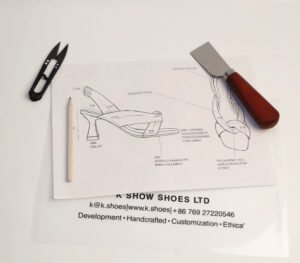

As the global fashion industry confronts mounting environmental scrutiny and evolving consumer expectations, sustainability has shifted from a nice-to-have marketing tagline to an absolute operational imperative. In recent industry discussions across leading fashion platforms, experts have emphasized a hard truth: modern consumers and conscious buyers can easily spot superficial greenwashing. They demand radical transparency, certified eco-friendly materials, and verifiable ethical supply chains.
For independent designers, boutique labels, and growing fashion houses, this shift raises a critical question: How do you build a profitable, high-end footwear line while meeting rigorous environmental standards?
The answer lies at the very heart of production. Partnering with a dedicated sustainable footwear manufacturer is no longer just an ethical choice—it is the ultimate competitive advantage in today’s luxury market.
The Material Evolution: From Toxic Tanning to Conscious Luxury
For decades, traditional shoe manufacturing relied heavily on resource-intensive processes, heavy metal tanning agents, and synthetic adhesives that left a massive environmental footprint. Today, the modern consumer refuses to compromise foot comfort for environmental degradation.
True sustainable luxury begins at the source of raw materials:
Chrome-Free & Vegetable-Tanned Leathers:
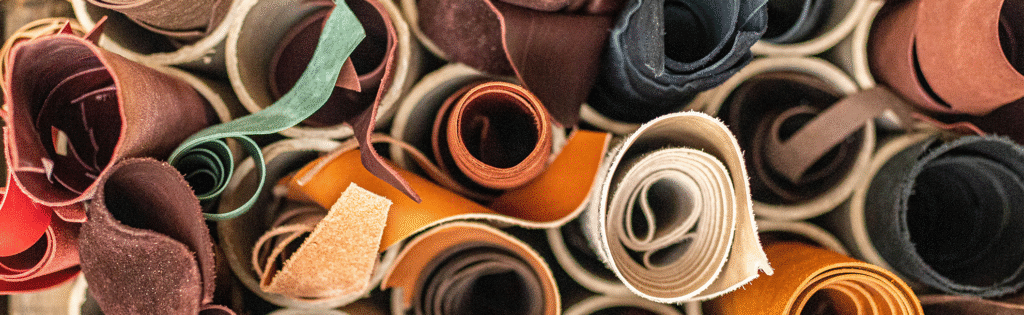
Utilizing organic tanning extracts derived from leaves and bark, manufacturers can achieve buttery textures and rich patinas without introducing harmful toxins into the ecosystem.
Innovative Plant-Based Alternatives:
Integrating certified bio-based materials—such as apple leather, corn fibers, and recycled technical textiles—provides high-end designers with durable, cruelty-free options that match the performance of traditional hides.
At The K Family Shoe Factory, our 27 years of master craftsmanship are paired with a rigorous commitment to ethical material sourcing, ensuring every pair of shoes honors both the wearer and the planet.
Reducing Waste Through Micro-Precision and Agile Production
Overproduction is one of the fashion industry’s dirtiest secrets. Traditional footwear manufacturing often forces brands into massive inventory commitments, resulting in unsold stock ending up in landfills. Sustainable manufacturing inherently tackles this issue through structural efficiency and waste reduction.
Zero MOQ and Small-Batch Production:
By eliminating rigid minimum order quantities, sustainable manufacturing partners empower independent designers to produce precisely what the market demands, drastically cutting down deadstock and textile waste.
Micro-Precision Last Sculpting:
Creating accurate, ergonomic shoe lasts reduces material trial-and-error waste during the prototyping phase while ensuring superior arch support and long-term durability for the end user.
Transparency as the New Currency of Trust
Today’s fashion consumer is smarter and more investigative than ever before. They want to know who made their shoes, under what working conditions, and through what manufacturing processes. Brands that hide behind vague supply chain loops are rapidly losing market share to transparent, ethically driven competitors.
Working with an experienced private-label manufacturer that practices full traceability gives brands a powerful storytelling tool. When you can explicitly trace your footwear from eco-friendly tanneries to artisanal hand-stitching benches, you build a foundation of unbreakable customer loyalty.
Building a Responsible Future in Footwear
The future of fashion belongs to those who successfully harmonize aesthetic luxury with environmental responsibility. By choosing a manufacturing partner dedicated to sustainable innovation, low-batch flexibility, and uncompromising quality, your brand can navigate industry shifts with absolute integrity.
Ready to bring your conscious footwear collection to life? Partner with The K Family Shoe Factory to build a cleaner, smarter, and more sustainable future for your brand.