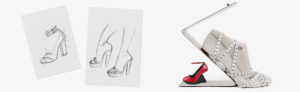

Choosing a shoe outsole for luxury footwear is never just about durability. In high-end shoes, the outsole is part of the product’s craftsmanship, silhouette, comfort, and brand identity. A thin leather sole can make a dress shoe look refined and elegant, while a bold rubber lug sole can give sneakers, boots, or fashion loafers a stronger modern attitude. For luxury footwear brands, the right outsole must match the upper design, last shape, wearing scenario, packaging style, and target customer. It should not only perform well, but also support the overall premium experience. This guide explains common shoe outsole materials, outsole designs, luxury brand examples, and how to choose the right sole for a high-end footwear line.
What Is a Shoe Outsole?
A shoe outsole is the bottom layer of a shoe that directly touches the ground. It is the part most exposed to friction, pressure, water, dust, and daily wear. While many people pay more attention to the upper, leather, logo, or packaging, the outsole plays a major role in how the shoe performs and how long it lasts.
The main functions of a shoe outsole include:
- Traction
A well-designed outsole provides grip and helps reduce slipping when walking, running, or standing on different surfaces. - Abrasion resistance
Because the outsole is in constant contact with the ground, it needs good wear resistance to extend the life of the shoe. - Support and protection
The outsole helps protect the foot from direct ground impact and supports the overall shoe structure. - Comfort and stability
Together with the midsole and insole, the outsole affects walking stability, flexibility, and the overall wearing experience. - Style and silhouette
Different outsole designs create different visual effects. A thin leather sole gives dress shoes a refined profile, while a chunky rubber outsole makes sneakers, boots, or fashion shoes look bold and modern.
In shoe construction, the outsole works together with the midsole and insole. The outsole handles ground contact and durability, the midsole supports cushioning and shock absorption, and the insole affects underfoot comfort. For luxury footwear, these layers should not be considered separately, because they all influence the final wearing experience.
Why Does the Shoe Outsole Matter in Luxury Footwear?
For luxury footwear, the outsole is not just evaluated by whether it is durable or slip-resistant. Those are basic requirements. What matters more is whether the outsole feels consistent with the shoe’s positioning, design language, and customer expectations.
A luxury dress shoe, for example, usually needs a refined and elegant bottom profile. If the outsole is too thick, too heavy, or poorly finished, the whole shoe may look less premium, even when the upper leather is beautiful. On the other hand, a luxury sneaker or fashion boot may need a stronger outsole shape to create visual weight, structure, and a more recognizable silhouette. This is why outsole thickness, edge finishing, sidewall shape, and tread design can all influence the first impression of a shoe.
The outsole also reflects craftsmanship. Details such as clean trimming, smooth edge painting, accurate stitching, balanced proportions, and precise bonding can show whether the shoe has been carefully developed or simply assembled from standard components. For high-end buyers, these details often separate a premium product from a generic shoe.
More importantly, the outsole can become part of the brand identity. A signature color, pebble texture, branded tread, or sculptural sole shape can make the shoe easier to recognize and remember. In luxury footwear, customers are not only buying materials; they are buying a complete product experience.
That is why outsole selection should match the upper design, last shape, construction method, packaging style, and target customer. When the outsole feels connected to the whole product, the shoe looks more intentional, more refined, and more valuable.
Main Shoe Outsole Materials: Pros, Cons, and Best Uses
Different shoe outsole materials create different wearing experiences. Some materials are chosen for elegance, some for durability, and others for lightweight comfort or cost efficiency. For luxury footwear brands, the best outsole material should match the shoe type, target customer, wearing scenario, and overall brand positioning.
| Shoe Outsole Material | Key Features | Pros | Cons | Best Uses |
|---|---|---|---|---|
| Leather Outsole | A classic outsole material often used in formal and luxury shoes | Elegant look, refined profile, strong luxury feel, suitable for traditional craftsmanship | Less slip-resistant, not ideal for wet ground, requires better care | Luxury dress shoes, loafers, pumps, formal footwear |
| Rubber Outsole | A common outsole material made from natural or synthetic rubber, often designed for grip and durability | Strong traction, good abrasion resistance, suitable for daily wear | Can look too casual if not well designed; may add weight | Sneakers, boots, casual shoes, everyday luxury footwear |
| EVA Outsole | A lightweight foam-based outsole material | Very light, soft, comfortable, good cushioning, cost-effective | Lower abrasion resistance than rubber, may compress over time | Sandals, slides, lightweight casual shoes, travel footwear |
| PU Outsole | A flexible synthetic outsole with good comfort performance | Comfortable, elastic, shock-absorbing, suitable for long wear | May age or hydrolyze in humid storage conditions | Comfort shoes, business casual shoes, work shoes |
| TPR Outsole | A thermoplastic rubber outsole, common in fashion and casual shoes | Flexible, easy to mold, cost-friendly, supports different colors and designs | Durability depends heavily on material quality; may feel less premium | Fashion shoes, kids’ shoes, affordable casual footwear |
| TPU Outsole | A stronger thermoplastic material often used for structure and support | Good stability, wear resistance, modern technical look, can be used for transparent or structured soles | Higher cost, may feel harder than EVA or rubber | Luxury sneakers, technical footwear, fashion-forward shoes |
| Crepe Sole | A special type of natural rubber outsole with a soft, wrinkled texture and vintage appearance | Soft, flexible, comfortable, retro and relaxed look | Gets dirty easily, may wear faster than harder rubber, can become sticky in heat | Desert boots, moccasins, Wallabee-style shoes, vintage casual footwear |
| Cork-Latex Sole | A comfort-focused sole structure that combines cork and latex, often with an EVA or rubber bottom layer | Lightweight, supportive, breathable, natural feel, good footbed comfort | Not suitable for very wet environments; more casual in appearance | Sandals, resort shoes, comfort footwear, ergonomic footwear |
| Leather + Rubber Outsole | A combination outsole using leather with rubber inserts, rubber grip areas, or protective rubber layers | Balances luxury appearance with better traction and durability | More complex to produce; cost may be higher | Luxury loafers, business shoes, premium everyday dress shoes |
Common Outsole Designs and Constructions in Luxury Footwear
After choosing the outsole material, luxury footwear brands also need to consider the outsole’s design, shape, tread pattern, and construction style. These elements influence not only grip and durability, but also the shoe’s silhouette, brand identity, and overall luxury expression.
| Outsole Design / Construction | What It Looks Like | Main Features | Pros | Cons | Best Uses |
|---|---|---|---|---|---|
| Lug Sole | Deep, raised tread pattern with visible grooves | Strong grip, bold structure, rugged look | Improves traction, adds visual power, suitable for fashion-forward designs | Can feel heavy; less suitable for formal shoes | Boots, chunky loafers, outdoor-inspired luxury shoes |
| Chunky Sole | Thick, oversized outsole with strong volume | Exaggerated profile, modern fashion look | Creates a strong visual statement, adds height, improves brand recognition | May look bulky if proportions are not balanced | Luxury sneakers, fashion boots, chunky loafers |
| Cupsole | A molded outsole that wraps slightly around the upper like a “cup” | Stable sneaker construction, protective sidewall | Durable, supportive, suitable for everyday luxury sneakers | Less elegant for formal footwear | Luxury sneakers, skate-inspired shoes, retro basketball sneakers |
| Platform Sole | A raised sole with extra height under the forefoot and/or full outsole | Height, statement look, strong fashion identity | Adds elevation, creates dramatic proportions, suitable for runway-inspired styles | Can reduce flexibility; may feel heavy | Platform sandals, platform boots, fashion loafers |
| Pebble Sole | Small rubber nubs or “pebbles” spread across the outsole | Flexible, lightweight, recognizable | Comfortable for driving and casual wear, strong brand identity | Not ideal for rough outdoor surfaces or heavy abrasion | Driving shoes, moccasins, relaxed luxury loafers |
| Branded Tread Outsole | Outsole pattern includes logo, monogram, symbol, or signature geometry | Turns tread into a branding detail | Enhances recognition, adds premium detail, useful for product storytelling | Requires careful mold design; over-branding can look forced | Luxury sneakers, limited editions, branded casual shoes |
| Thin Leather Sole | Slim, refined leather outsole with minimal thickness | Elegant, formal, traditional luxury profile | Creates a sleek side profile, supports classic craftsmanship, looks refined | Less grip and durability than rubber; not ideal for rain | Dress shoes, pumps, loafers, formal footwear |
How Luxury Brands Use Different Outsoles?
Luxury brands use shoe outsoles not only for function, but also as part of their design language and brand identity. In many cases, the outsole helps make a shoe recognizable even before people notice the full upper design.
A clear example is Christian Louboutin. Its red leather sole is one of the most famous outsole signatures in luxury footwear. The outsole is not only a bottom layer; it becomes a visual symbol of the brand. This shows how color can turn a functional component into a luxury icon.
Tod’s Gommino uses a very different approach. Its rubber pebble sole is designed for flexibility, comfort, and driving-inspired casual wear. The small rubber pebbles also make the shoe instantly recognizable, proving that outsole texture can become part of brand memory.
For a stronger fashion statement, Prada Monolith uses a bold lug sole. The deep tread and thick sole structure give loafers and boots a powerful, modern silhouette. Here, the outsole is not hidden; it is one of the main design features.
Louis Vuitton often uses branded rubber outsoles on luxury sneakers, adding monogram-inspired tread or signature details. This turns the outsole into a subtle branding area while keeping the shoe practical for daily wear.
Meanwhile, Gucci loafers, especially classic leather loafer styles, often use leather soles to support a refined and elegant profile. This matches the brand’s heritage and formal luxury positioning.
How to Choose the Right Shoe Outsole for Your Footwear Line?
Choosing the right shoe outsole should start with brand positioning, not material price. A luxury footwear brand first needs to define what the shoe should represent: classic elegance, modern comfort, bold fashion, or everyday premium wear. This positioning will guide every outsole decision that follows.
The next step is to identify the shoe type. A dress shoe, loafer, sneaker, boot, sandal, and driving shoe all require different outsole solutions. For example, a thin leather sole may work well for a formal dress shoe, while a rubber cupsole is more suitable for a luxury sneaker. A lug sole may support a strong fashion boot, but it may look too heavy on a refined loafer.
After that, consider the wearing scenario. Will the customer wear the shoe for formal occasions, city commuting, travel, light outdoor use, or fashion styling? The more practical the scenario, the more attention should be paid to grip, durability, and comfort.
Only then should the brand choose the outsole material. Leather, rubber, EVA, TPU, crepe, or leather-rubber combinations all have different strengths. The selected material should match both the shoe’s function and its luxury image.
The outsole design also matters. Thickness, tread pattern, edge finishing, side profile, and logo details can change the shoe’s visual balance. Next, the outsole must match the construction method, such as cemented construction, Blake stitching, Goodyear welt, or molded sole production.
Finally, consider cost. The lowest-cost outsole is not always the best choice. For luxury footwear, the right outsole should balance cost, durability, comfort, craftsmanship, and brand value.
How Can Shoe Outsoles Be Customized?
Shoe outsoles can be customized in many ways, especially for luxury footwear brands that want every detail to support the same product story. Customization is not only about changing the material. It can also involve the logo, tread pattern, color, thickness, side profile, and how the outsole connects with the shoe’s packaging and brand identity.
One common option is logo customization. A brand name, monogram, or subtle symbol can be embossed, engraved, or molded into the outsole. For luxury shoes, the logo does not always need to be large. A small detail placed on the waist, heel area, or outsole edge can look more refined and intentional.
The tread pattern can also be customized. A fine texture may suit elegant loafers or dress shoes, while a deep lug pattern works better for boots or chunky fashion shoes. For luxury sneakers, geometric lines, signature icons, or branded tread patterns can turn the outsole into a recognizable design element.
Color is another important detail. Black, brown, natural leather, white, translucent, or brand-signature colors can all create different impressions. The outsole color should match the upper, lining, insole, and overall style of the shoe.
Brands can also adjust outsole thickness and shape. A thin sole creates a sleek and formal profile, while a thicker outsole can add height, structure, and a stronger fashion statement. Material combinations are also useful, such as leather + rubber, EVA + rubber, or rubber + TPU, depending on the desired balance between appearance, comfort, grip, and durability.
For luxury footwear, outsole customization should also connect with packaging. The outsole color, logo, texture, or pattern can echo the shoe box, dust bag, tissue paper, labels, and brand cards. When these details work together, the shoe feels more complete, premium, and market-ready.
FAQs
The sole usually refers to the entire bottom structure of a shoe, while the outsole is the outermost layer that directly touches the ground. In many casual conversations, people may use “sole” and “outsole” interchangeably. However, in footwear development, the outsole is only one part of the sole structure. The full sole may include the outsole, midsole, insole, heel, or other support layers depending on the shoe design.
There is no single best outsole material for all luxury shoes. Leather outsoles are often preferred for dress shoes, loafers, and pumps because they create a refined and elegant profile. Rubber outsoles are better for luxury sneakers, boots, and everyday shoes because they offer better grip and durability. For modern luxury footwear, many brands also use leather + rubber combinations to balance premium appearance with practical wearability.
For luxury sneakers, a rubber outsole or cupsole construction is usually the best choice. Rubber provides grip, durability, and support for daily wear, while a cupsole structure helps create a stable sneaker profile. Many luxury brands also customize sneaker outsoles with branded tread patterns, logo details, sculptural sidewalls, or contrast colors. The outsole should match both the sneaker’s comfort needs and its fashion identity.
Luxury shoes often use leather soles because they create a refined, elegant, and traditional look. Leather outsoles are especially common in dress shoes, loafers, pumps, and formal footwear because they help maintain a slim side profile and premium craftsmanship feel. However, leather soles are not always the most practical option for wet or slippery surfaces. That is why some luxury shoes add rubber inserts or protective grip areas.
Yes, shoe outsoles can be customized with a brand logo. Logos can be embossed, engraved, printed, or molded into the outsole, depending on the material and production method. Luxury brands may also use monogram patterns, signature colors, branded tread designs, or subtle marks on the heel or waist area. For high-end footwear, logo customization should look intentional and refined rather than overly decorative.
Start with your brand positioning and shoe category. A formal luxury shoe may need a leather outsole, while a sneaker may need rubber or cupsole construction. Then consider the wearing scenario, target customer, comfort needs, durability, outsole design, and production budget. For private label footwear, the best outsole should match the upper design, last shape, packaging style, and overall brand image, not just the lowest cost.