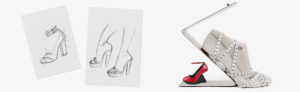

Are you looking for a luxury bridal shoe manufacturer that can help turn your brand concept into a refined, wearable, and commercially valuable product? A beautiful bridal shoe may look simple at first glance, but it places very high demands on the manufacturer. From elegant silhouette and premium materials to clean stitching, stable heel structure, hand-applied decoration, comfort design, and luxury packaging, every detail affects the final brand experience. For high-end footwear brands, designer labels, and private label buyers, luxury bridal shoes are not just wedding accessories. They are emotional products that must combine beauty, comfort, craftsmanship, and brand identity. This article explains what defines a luxury bridal shoe, how to develop one for your brand, and how to choose the right production partner.
What Defines a Luxury Bridal Shoe?
A luxury bridal shoe is not defined by color, decoration, or price alone. It is defined by how well the product carries a bride’s emotional expectations while meeting the quality standards of a premium footwear brand.
For high-end footwear brands, luxury bridal shoes are a specialized category of occasion footwear. They must combine elegant visual design, refined materials, precise craftsmanship, long-wear comfort, and a complete brand experience. A regular wedding shoe may focus on looking beautiful for the ceremony, but a luxury bridal shoe needs to feel intentional from every angle: the silhouette, the material texture, the heel balance, the insole comfort, the finishing details, and even the way it is presented in the box.
The real difference lies in product discipline. A mass-market bridal shoe often uses standard patterns, basic satin, synthetic lining, simple rhinestone decoration, and generic packaging. By contrast, high-end bridal shoes require stricter control over both design and production. Premium satin must be cut in a consistent direction to avoid uneven light reflection. Light-colored leather and silk must be handled carefully to prevent stains, wrinkles, and glue overflow. Pearls, crystals, bows, embroidery, and custom hardware need to be placed with precision, not simply attached as decoration. The heel must remain balanced, the outsole must support safe movement, and the lining should reduce friction during long wedding-day wear.
For luxury brands, this matters because bridal shoes are not ordinary fashion products. They are connected to one of the most photographed and emotionally important moments in a customer’s life. The bride may wear them for only one day, but she expects the product to carry beauty, comfort, memory, and status. This gives luxury wedding shoes a higher perceived value than many everyday footwear categories.
From a brand development perspective, a luxury bridal shoe should also support a clear commercial position. It should justify a premium retail price, match the brand’s visual identity, and create a consistent experience across the product, packaging, photography, and customer unboxing. This is why high-end brands rarely treat bridal footwear as a simple white shoe with embellishment. They develop it as a complete product story.
For private label and designer brands, the key question is not simply, “Can the manufacturer make bridal shoes?” The better question is: “Can the manufacturer translate our brand aesthetic into a refined, wearable, commercially viable bridal footwear collection?”
That is what truly defines a luxury bridal shoe.
| Comparison | Regular Bridal Shoes | Luxury Bridal Shoes |
|---|---|---|
| Product Positioning | Designed mainly for affordable wedding use and basic visual appeal. | Developed as premium occasion footwear with stronger emotional, aesthetic, and brand value. |
| Material Selection | PU, basic satin, synthetic fabric, standard lining. | Premium satin, silk, leather, suede, lace, soft lining, pearls, crystals, and custom hardware. |
| Design Language | Follows popular bridal trends with limited brand differentiation. | Uses refined silhouettes, proportion control, color discipline, and recognizable brand identity. |
| Craftsmanship | Standard stitching, basic lasting, simple decoration attachment. | Cleaner cutting, precise stitching, smooth lasting, controlled glue lines, and secure hand-applied details. |
| Comfort Engineering | Basic insole and standard heel structure. | Padded insole, soft lining, better heel balance, stable construction, and anti-slip outsole options. |
| Quality Control | Focuses on general appearance and basic wearability. | Requires stricter inspection for stains, glue marks, color consistency, decoration firmness, heel stability, and finishing quality. |
| Brand Experience | Usually packed in a standard shoe box with limited storytelling. | Presented with luxury packaging, dust bag, tissue paper, brand card, and a complete unboxing experience. |
| Buyer Focus | Price, basic style, and fast delivery. | Craftsmanship, premium positioning, comfort, brand identity, and long-term collection value. |
How to Develop Luxury Bridal Shoes for Your Brand
1. Design & Pattern Making
The first step in developing luxury bridal shoes is not simply drawing a beautiful style. It is about turning the brand’s positioning into a workable shoe design. At this stage, the brand and manufacturer need to confirm the basic shoe type, such as bridal pumps, bridal sandals, block heel bridal shoes, platform bridal heels, or bridal flats.
The designer will then refine several key details based on the target style. For a classic luxury collection, a pointed toe, slim heel, ivory satin upper, and pearl detail may create a timeless bridal look. For a modern minimal brand, the design may use cleaner lines, fewer decorations, soft leather, and a lower heel. For a more couture-inspired bridal shoe, the design may include embroidery, crystals, lace flowers, sculptural heels, or custom hardware.
Important design decisions usually include:
- Toe shape: pointed toe, round toe, square toe, open toe
- Heel height: kitten heel, mid heel, high heel, block heel
- Upper structure: single strap, cross strap, ankle strap, slingback, pump upper
- Decoration placement: pearls, crystals, bows, lace, embroidery, flowers, buckles
After the design direction is confirmed, the manufacturer creates the paper pattern and sample shoe. This step is very important because luxury bridal shoes must look elegant from every angle. The pattern affects the shoe’s proportion, foot coverage, vamp line, strap position, and overall silhouette. For high-end bridal footwear brands, pattern making is also where comfort and beauty start to balance. A pointed-toe bridal pump should look slim but not overly tight. An ankle strap sandal should feel secure without making the foot look heavy. A block heel shoe should provide stability while still keeping a refined bridal shape.
2. Material Cutting & Upper Stitching
After the design and pattern are confirmed, the next step is material cutting and upper stitching. For luxury bridal shoes, this stage requires more precision than ordinary footwear production because many bridal materials are light-colored, soft, glossy, or decorative. Common materials include satin, silk, lace, mesh, leather, suede, and embroidered fabrics.
The key point in material cutting is consistency. The manufacturer must control the cutting direction, grain, texture, and surface reflection of each material. This is especially important for satin bridal shoes. If satin is cut in different directions, the left and right shoes may show different reflections, creating visible color differences even when the same fabric is used.
| Material | Common Use in Bridal Shoes | Key Cutting Considerations |
|---|---|---|
| Satin | Classic bridal pumps, heels, sandals | Keep cutting direction consistent to avoid uneven reflection or color difference. |
| Silk | High-end bridal shoes, limited luxury collections | Cut carefully to prevent fraying, wrinkles, pressure marks, and surface damage. |
| Lace | Romantic bridal shoes, vintage styles, lace overlays | Match lace patterns on both shoes and handle edges cleanly. |
| Mesh / Tulle | Modern bridal sandals, pearl or crystal designs | Avoid deformation and keep cutting edges smooth and stable. |
| Leather | Premium pumps, structured sandals, luxury bridal footwear | Avoid scars, uneven grain, weak areas, and visible color variation. |
| Suede | Nude, champagne, blush, and soft luxury bridal shoes | Control nap direction and color consistency across both shoes. |
| Embroidered Fabric | Couture-inspired bridal shoes, decorative uppers | Align embroidery placement and avoid cutting through key decorative areas. |
After cutting, the materials are joined, stitched, reinforced, and finished to form the shoe upper. Common processes include upper stitching, edge binding, ankle strap stitching, bow attachment, lace overlay, and mesh panel sewing. A satin bridal pump needs clean seams and smooth edges. A lace bridal shoe requires balanced pattern placement. A bridal sandal with ankle straps must be secure without looking bulky.
Clean cutting, even stitch tension, smooth edges, flat upper surfaces, and well-handled inner seams make the following lasting, assembly, and finishing process more stable. Poor cutting or stitching can easily create wrinkles, glue marks, rough edges, color inconsistency, or discomfort during long wedding-day wear.
3. Lasting & Shaping
n this process, the stitched upper is pulled over the shoe last, then stretched, fixed, and shaped to create the final foot structure.
For bridal heels, lasting directly affects whether the toe area is smooth, whether the upper has wrinkles, whether the left and right shoes are symmetrical, and whether the shoe feels tight or comfortable. It also determines whether the final silhouette looks elegant enough for a high-end bridal collection. This step is especially important for pointed-toe bridal shoes and high-heel bridal pumps. If the last shape is not accurate, the shoe may look unbalanced, pinch the foot, or feel unstable when walking. For luxury bridal shoes, good lasting should create a clean upper surface, smooth toe shape, balanced side profile, and comfortable fit.
4. Heel & Sole Assembly
After shaping, the heel, insole, midsole, outsole, platform, or anti-slip sole are assembled. Common bridal heel types include stiletto heel, block heel, kitten heel, wedge heel, and platform heel.
The outsole may use rubber, TPR, leather, or leather sole with anti-slip inserts, depending on the brand positioning and wedding scenario. A leather sole can create a more premium look, while rubber or anti-slip inserts can improve safety for long wedding-day wear.
At this stage, the manufacturer must check heel firmness, balance, bonding strength, outsole flatness, and whether both shoes have consistent height and stability.
5. Decoration & Comfort Finishing
Decoration is one of the clearest differences between regular bridal shoes and luxury bridal shoes. Common details include crystals, rhinestones, pearls, lace flowers, embroidery, metal buckles, bows, and beading.
For high-end bridal shoes, these details should not look randomly attached. Pearls, crystals, and hardware need accurate placement, secure fixing, and visual balance. Hand-applied decorations, embroidery, or three-dimensional floral details may increase production time, but they also create stronger premium value.
Comfort finishing is equally important. Many luxury bridal shoes use soft padded insoles, latex foam, memory foam, arch support, soft lining, heel grips, or anti-slip details. Since brides may stand, walk, take photos, and dance for hours, comfort directly affects the customer experience.
6. Cleaning, Inspection & Luxury Packaging
The final stage is cleaning, inspection, and packaging. Because bridal shoes often use white, ivory, champagne, nude, or other light colors, final inspection must be stricter than regular footwear.
Quality control should check stains, glue marks, scratches, stitching, wrinkles, color consistency, decoration firmness, heel stability, outsole flatness, size accuracy, and packaging completeness.
For premium brands, packaging is also part of the product experience. Custom shoe boxes, dust bags, tissue paper, brand cards, packaging labels, and branded inserts can help create a stronger luxury impression.
Cost Factors for Luxury Bridal Shoe Manufacturing
The cost of luxury bridal shoe manufacturing is influenced by more than the basic shoe style. For high-end brands, every detail—from material choice to packaging—can affect production complexity, labor time, and final product value.
Materials are one of the most important factors. Premium satin, silk, leather, lace, suede, mesh, pearls, crystals, and custom hardware all require different handling methods. Light-colored materials such as ivory, champagne, nude, and blush also need stricter control to avoid stains, wrinkles, glue marks, or color differences.
Handwork can also increase manufacturing complexity. Luxury bridal shoes often include hand-applied pearls, crystals, embroidery, lace flowers, bows, or beading. These details take more time and require skilled workers to ensure accurate placement and secure attachment.
Custom molds may be needed when a brand wants an exclusive heel shape, special outsole, unique platform, or custom shoe last. This adds development work before bulk production begins.
Comfort structure is another key factor. Soft padded insoles, leather lining, arch support, heel grips, anti-slip outsoles, and stable heel construction all improve the wearing experience but also require better materials and more careful assembly.
MOQ affects cost efficiency. Smaller orders are useful for trial collections, but they usually reduce production efficiency compared with larger runs.
Packaging also matters for luxury brands. Custom shoe boxes, dust bags, tissue paper, brand cards, packaging labels, and branded inserts all help create a premium unboxing experience.
Finally, quality inspection is critical. Luxury bridal shoes require stricter checks for stitching, color consistency, heel stability, decoration firmness, glue marks, stains, and final presentation. For premium brands, quality control is not an extra step—it is part of the product value.
How to Choose a Luxury Bridal Shoe Manufacturer
Choosing a luxury bridal shoe manufacturer is not about finding the cheapest factory. For high-end footwear brands, the right partner should understand product positioning, premium materials, sample development, craftsmanship control, and brand-level customization.
A qualified manufacturer should have experience in high-end women’s shoes or bridal footwear manufacturing. Luxury bridal shoes require more than basic production ability. The supplier must understand how to handle satin, silk, leather, lace, suede, pearls, crystals, embroidery, and custom hardware without damaging the material or weakening the luxury feeling.
Sample development is also important. Premium brands often need several rounds of refinement before confirming the final design. The manufacturer should be able to adjust the shoe last, heel height, upper structure, decoration placement, comfort details, and packaging based on brand requirements.
For light-colored bridal shoes, quality control is especially strict. Glue marks, stains, wrinkles, color differences, loose pearls, unstable heels, or rough stitching can quickly damage the customer’s perception of luxury. A reliable manufacturer should have clear inspection standards for material cutting, upper stitching, lasting, decoration, comfort, and final packaging.
| What to Check | Why It Matters |
|---|---|
| High-end footwear experience | Luxury bridal shoes require better design and workmanship control. |
| Material handling ability | Satin, silk, leather, lace, and suede need careful processing. |
| Sample development support | Premium brands often need several rounds of sample refinement. |
| Decoration quality | Pearls, crystals, embroidery, and custom hardware must stay secure. |
| Comfort testing | Brides need long-wear comfort on the wedding day. |
| Clean finishing control | Glue marks, stains, and wrinkles damage luxury perception. |
| Packaging capability | Luxury shoes require a complete unboxing experience. |
| OEM/ODM flexibility | Important for private label and designer brands. |
A professional luxury bridal shoe manufacturer should not only produce shoes. It should help brands connect design, materials, craftsmanship, comfort, packaging, and brand identity into one complete product experience.