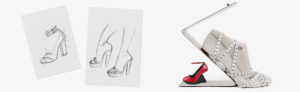

Leather shoes are one of the easiest footwear categories to express a brand’s positioning. From formal dress shoes and soft loafers to mules, boots, heels, bridal shoes, and leather sneakers, every detail can reflect whether a brand is classic, luxury, fashion-forward, or lifestyle-focused. But creating premium leather shoes is not only about choosing good leather. The final product depends on material selection, last development, upper structure, lining, outsole construction, stitching, finishing, quality control, and branding details. A beautiful leather shoe should look refined, fit comfortably, and feel consistent with the brand’s identity. This article will walk you through how leather shoes are made, what materials are used, and how to choose the right manufacturer for your footwear brand.
What Are Leather Shoes in Premium Footwear Manufacturing?
Leather shoes are footwear made with leather or leather-based upper materials, such as full-grain leather, top-grain leather, calf leather, suede, nubuck, patent leather, or embossed leather. In premium footwear manufacturing, they are not limited to men’s dress shoes. They also include leather loafers, mules, sandals, boots, heels, flats, bridal shoes, and leather sneakers for fashion, luxury, and lifestyle brands.
Compared with synthetic shoes, leather shoes usually offer a more natural texture, better breathability, stronger durability, and a more premium appearance. Good leather can also age beautifully over time, giving the shoe more character and long-term value.
However, premium leather shoes are not defined by leather alone. Their quality depends on the combination of leather selection, last development, upper structure, lining, outsole construction, stitching, finishing, and branding details. The last affects shape, fit, and comfort; the upper and lining affect wearability; the outsole supports durability and stability; while finishing and branding create the final luxury feel.
Well-known brands show this clearly. John Lobb is known for structured British leather shoes, Tod’s for soft luxury loafers, Berluti for patina and hand-finished leather, and Gucci for iconic brand details. These examples show that leather shoes are not simply “shoes made of leather,” but complete products shaped by material, craftsmanship, comfort, and brand positioning.
Key Materials Used in Leather Shoes Manufacturing
In leather shoes manufacturing, upper leather is the most important material because it directly affects the shoe’s appearance, hand feel, flexibility, durability, and production difficulty. Different leather types are used for different footwear styles and brand positions.
Full-grain leather is often used for luxury dress shoes, premium boots, and high-end leather footwear because it keeps the natural grain and offers a rich texture. Top-grain leather is more stable and suitable for business shoes, fashion leather shoes, and larger production orders. Calf leather is valued for its fine surface and firm structure, which is why it is commonly seen in British-style dress shoes such as those associated with John Lobb or Church’s.
For softer and more casual styles, suede and nubuck are often used in loafers, mules, boots, and relaxed luxury shoes. They create a soft visual effect but require careful control of color difference, nap direction, stains, and pressure marks. Patent leather is commonly used for bridal shoes, evening shoes, and formal women’s shoes because of its glossy surface, but it requires strict control of scratches and glue marks. Patina leather, often associated with brands like Berluti, focuses on hand coloring, polishing, and color depth.
Besides upper leather, lining and outsole materials also affect the final product. Leather lining improves comfort and breathability, while microfiber lining can help balance cost and durability. Leather outsoles create a formal and premium look, while rubber outsoles offer better anti-slip performance for daily wear.
| Product Positioning | Recommended Materials |
|---|---|
| Luxury dress shoes | Full-grain leather, calf leather, leather outsole |
| Business leather shoes | Top-grain leather, leather or rubber outsole |
| Soft loafers and mules | Suede, nubuck, soft leather |
| Bridal or evening shoes | Patent leather, light-color leather |
| Daily leather shoes | Top-grain leather, rubber outsole, microfiber lining |
| Artistic luxury shoes | Patina leather, hand-finished leather |
Leather Shoes Manufacturing Process: From Design to Packaging
The leather shoes manufacturing process can be divided into five main stages. Each stage affects the final shoe’s comfort, appearance, durability, and brand value.
| Stage | Key Focus |
|---|---|
| Design, Last Development and Pattern Making | Fit, proportion, and producibility |
| Leather Selection and Cutting | Material quality and pair consistency |
| Upper Making | Skiving, folding, stitching, and lining |
| Lasting and Sole Construction | Shape, stability, and outsole structure |
| Finishing, QC and Packaging | Appearance, brand details, and market readiness |
The first stage is design, last development and pattern making. The manufacturer confirms the shoe style, target customer, brand positioning, and wearing scenario. Then the last is developed or adjusted to control the toe shape, instep height, ball width, heel grip, and overall proportion. Accurate patterns are then made to ensure the upper parts fit the three-dimensional shoe shape correctly.
The second stage is leather selection and cutting. Different leather types, such as full-grain leather, calf leather, suede, nubuck, or patent leather, are selected according to the product positioning. During cutting, the factory must avoid scratches, color differences, loose grain, and uneven texture. For premium leather shoes, left and right shoes must match in color, grain, and stretch.
The third stage is upper making, including skiving, folding, stitching, and lining attachment. Clean edges, consistent stitches, and stable seams help create a refined upper.
Next comes lasting and sole construction. The upper is shaped on the last, then combined with the outsole through cemented construction, Blake stitch, Goodyear welt, or molded sole methods.
Finally, finishing, QC and packaging complete the product. Polishing, glue mark cleaning, logo checking, pair matching, and custom packaging help make the shoes ready for the market.
Why Last Development Is Critical for Fit, Shape, and Comfort
In leather shoes manufacturing, last development is one of the most important steps. Here, “last” does not mean the final step. A last is the foot-shaped mold used to shape the shoe. It decides how the shoe looks, how it fits, and how comfortable it feels when worn.
A well-developed last controls several key details, including toe shape, instep height, ball width, heel grip, and shoe opening. These details directly affect whether the shoe feels too tight, too loose, too narrow, or unstable during walking. Even if premium leather is used, a poor last can still make the shoe uncomfortable.
Different leather shoes require different last designs. Dress shoes usually need a slim and formal shape with stable support. Loafers require good instep fit and heel grip because they are slip-on shoes. Mules need stronger forefoot coverage since they have no back support. Heels must balance heel height, forefoot pressure, and arch curve. Boots need proper ankle support and enough space for easy wearing. Leather sneakers require a more relaxed last that supports comfort, movement, and foot wrapping.
During the sample stage, brands often need to adjust the last several times. Common changes include making the toe shape less sharp, increasing instep space, improving heel grip, widening the ball area, adjusting the shoe opening, or improving walking stability.
This is why premium leather shoes cannot rely on leather quality alone. Good leather improves the appearance, but a good last decides whether the shoe can actually be worn comfortably. For private label and premium footwear brands, strong last development ability is a key sign of a professional leather shoes manufacturer.
Quality Control Standards for Premium Leather Shoes
For premium leather shoes, quality control is not only about checking whether the shoes are damaged. It is a complete inspection system that covers material quality, structure, fitting, finishing, branding, and packaging. Small defects such as color difference, glue marks, loose stitching, poor heel balance, or mismatched leather texture can easily reduce the perceived value of a high-end shoe.
The first step is Material QC. Leather should be checked for scratches, stains, wrinkles, loose grain, color difference, and uneven texture before cutting. This is especially important for suede, nubuck, patent leather, and light-color leather, because surface defects are more visible.
The second part is Structural QC, including stitching strength, sole construction, outsole alignment, and heel stability. For leather shoes, sole bonding does not mean “alone”; it means the strength of the connection between the upper and the outsole. Poor bonding may cause edge separation, outsole detachment, or durability problems after wearing.
Pair matching is also critical. The left and right shoes should match in color, leather texture, toe height, heel height, finishing effect, and overall shape. For premium footwear brands, even small inconsistencies can affect customer trust.
Size fitting should be checked carefully across different sizes. The shoe must maintain correct length, width, instep height, heel grip, and shoe opening. Finally, finishing inspection and branding and packaging QC ensure that glue marks, polishing, logo placement, hardware, shoe boxes, dust bags, labels, and brand cards all meet the brand’s standards.
| QC Item | Inspection Point | Why It Matters |
|---|---|---|
| Material QC | Scratches, stains, wrinkles, color difference, loose grain | Protects the premium appearance of the shoe |
| Structural QC | Stitching strength, outsole alignment, construction stability | Ensures durability and long-term wear performance |
| Pair Matching | Same color, texture, toe shape, heel height, and finishing effect | Makes both shoes look consistent as one pair |
| Size Fitting | Length, width, instep height, heel grip, shoe opening | Affects comfort, fit accuracy, and return rate |
| Sole Bonding | Adhesion strength, edge separation, outsole detachment risk | Prevents outsole failure after wearing |
| Heel Stability | Heel balance, vertical position, walking stability | Especially important for heels, boots, and women’s leather shoes |
| Finishing Inspection | Glue marks, polishing, edge finishing, hardware, logo position | Defines the final luxury-level details |
| Branding and Packaging QC | Shoe box, dust bag, size label, brand card, care card | Supports brand presentation and market readiness |
How to Choose a Leather Shoes Manufacturer for Your Brand
Choosing a leather shoes manufacturer should never be based on price alone. A lower quotation may look attractive at first, but poor fit, unstable quality, weak material control, or delayed sampling can create higher costs later. For premium footwear brands, the right manufacturer should be able to support both product development and stable bulk production.
First, check whether the factory has real leather footwear experience. This means experience in making dress shoes, loafers, mules, heels, boots, sandals, bridal shoes, or leather sneakers—not just general shoe production. Different leather shoes require different understanding of fit, proportion, structure, and finishing.
Second, evaluate its last development ability. Here, “last” means the shoe mold, not the latest trend. A good manufacturer should know how to adjust toe shape, instep height, heel grip, shoe opening, and overall silhouette according to your target customer. This directly affects comfort and return rate.
Material control is also important. The factory should understand how to handle full-grain leather, calf leather, suede, nubuck, patent leather, and hand-finished leather. Each material requires different cutting, stitching, lasting, protection, and finishing controls.
You should also review the manufacturer’s construction capability, including cemented construction, Blake stitch, Goodyear welt, molded sole, heel installation, and outsole bonding. Strong sampling capability is essential because leather shoes often need several rounds of adjustment before bulk production.
For growing brands, support for private label, small batch production, and custom packaging is especially valuable. A stable QC system should cover material inspection, upper inspection, size fitting, sole bonding, finishing, pair matching, and packaging checks.
This is where an experienced team like K family team can add value—helping brands turn design sketches, reference images, and brand ideas into comfortable, producible, and market-ready leather shoes.
FAQs
The leather shoe manufacturing process usually includes design development, last making, pattern making, leather selection, cutting, upper stitching, lasting, sole attachment, finishing, quality control, and packaging. For premium leather shoes, each step must control fit, shape, comfort, durability, and final brand presentation.
Common leather types include full-grain leather, top-grain leather, calf leather, suede, nubuck, patent leather, embossed leather, and hand-finished or patina leather. Different leathers are chosen based on shoe type, price positioning, comfort needs, appearance, durability, and production difficulty.
The shoe last is the foot-shaped mold used to form the shoe. It decides the toe shape, instep height, ball width, heel grip, shoe opening, and overall silhouette. Good leather improves appearance, but a good last decides whether the shoe fits comfortably.
The sole and upper can be attached through cemented construction, Blake stitching, Goodyear welt construction, or molded sole methods. The right method depends on the shoe style, cost, durability needs, comfort, and brand positioning. Sole bonding strength is important to prevent outsole separation.
Leather shoe quality is affected by leather selection, last development, cutting accuracy, stitching quality, lining, outsole structure, sole bonding, finishing, pair matching, and packaging. Small details such as glue marks, color difference, poor fit, or uneven stitching can reduce the value of premium shoes.
Quality control helps ensure material consistency, accurate sizing, strong stitching, stable sole bonding, clean finishing, good pair matching, and correct branding. For private label and premium footwear brands, QC reduces defects, protects brand reputation, and ensures the final shoes are market-ready.