

As a timeless fashion accessory, luxury leather belts have always been highly popular in the global fashion market. For many premium and luxury brands, belts are not just functional items — they are key style statements. That’s why leading fashion houses often create new leather belt lines every year, introducing fresh designs, materials, and signature details to match seasonal collections. From classic minimalist belts to bold, logo-driven styles, each piece reflects craftsmanship and brand identity. But have you ever wondered how these luxury leather belts are actually made? From design and leather selection to hardware fitting and finishing, the process is far more detailed than it appears. In this article, we’ll take you behind the scenes and walk you through the complete manufacturing process of luxury leather belts.
Leather Belt Overview in the Fashion & Luxury Industry
In the fashion and luxury world, leather belts have long been regarded as essential accessories that combine both style and function. Beyond simply holding garments in place, a well-crafted leather belt serves as a statement piece that reflects personal taste, brand identity, and lifestyle. From understated classic designs to bold logo belts seen on runways, leather belts remain relevant because they are versatile, durable, and timeless. For luxury brands, a belt often becomes an entry-level product that allows customers to experience craftsmanship and quality at a more accessible price point, making it a strategic item in any collection.
From a functional perspective, leather belts offer strength, comfort, and longevity that synthetic materials struggle to match. High-quality leather ages beautifully, developing character over time, which enhances emotional attachment and perceived value. This combination of practicality and aesthetics is why leather belts continue to hold a strong position in both menswear and womenswear collections across global markets.
Behind every luxury leather belt is a carefully structured manufacturing process. From initial design concepts and leather selection to cutting, stitching, hardware assembly, finishing, and final inspection, each stage plays a critical role in defining quality. In the following sections, we’ll walk through this complete workflow step by step, helping you understand how premium leather belts are designed, crafted, and delivered as finished luxury products.
Design & Material Selection Of Leather Belt Manufacturing
The manufacturing of a high-quality leather belt begins with thoughtful design and responsible material selection. At the design stage, brands define belt concepts, sizing standards, and style types — such as classic dress belts, casual belts, or statement fashion pieces. Length, width, hole spacing, and buckle proportions must follow international sizing norms to ensure comfort and fit across global markets. Today, many fashion and luxury brands also prioritize ethical and sustainable design, ensuring that materials are responsibly sourced and fully traceable.
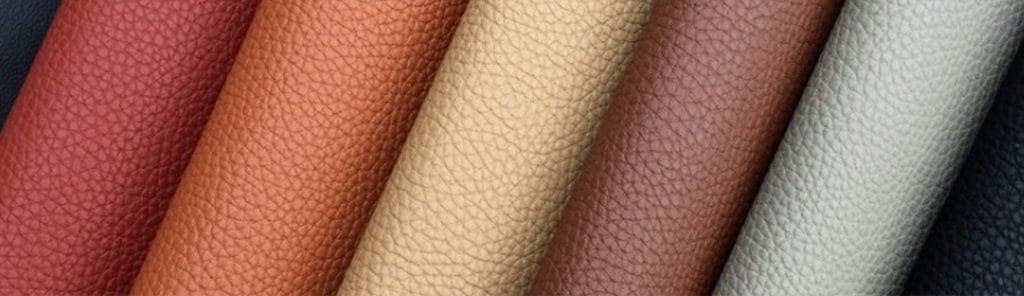
When it comes to leather selection, understanding the differences between full-grain, top-grain, and genuine leather is essential. Full-grain leather is the highest quality, known for its durability and natural texture, making it ideal for luxury belts. Top-grain leather offers a refined surface with slightly enhanced consistency, while genuine leather provides a more cost-effective option for fashion-oriented collections. For brands focused on sustainability, selecting leathers certified under ethical tanning standards or sourced from traceable supply chains is increasingly important.
Beyond the leather itself, attention to supporting materials plays a crucial role in belt performance and longevity. Linings add structure and comfort, while high-quality threads ensure strong, durable stitching. Edge paint or burnishing treatments define the belt’s finish, contributing to both appearance and wear resistance. Reinforcement materials within the belt core help maintain shape over time. Together, these carefully chosen components lay the foundation for a leather belt that meets both aesthetic expectations and long-term quality standards.
Pattern Making & Cutting Process Of Leather Belt Manufacturing
After the design and material selection are finalized, the next critical stage in leather belt manufacturing is pattern making and cutting. Belt patterns define the exact dimensions, hole placement, tapering, and proportions of the belt. At this stage, manufacturers also complete size grading, ensuring that different lengths follow consistent standards while maintaining the same visual balance and functionality across all sizes.
Once patterns are confirmed, the process moves into leather cutting, where precision directly impacts quality. There are three common cutting methods: manual cutting, die cutting, and CNC cutting. For most luxury handcrafted leather belts, manual cutting by skilled artisans is the preferred approach. Experienced craftsmen carefully select the best sections of leather hides and cut each belt strip by hand, avoiding defects and ensuring natural grain alignment. This method allows for greater control and produces a more refined, premium result.
Die cutting and CNC cutting are more commonly used for large-scale or industrial production, where speed and uniformity are priorities. While these methods offer efficiency, they lack the flexibility and craftsmanship required for high-end, artisanal belt lines.
Regardless of the cutting method, material efficiency and consistency are essential. Proper hide layout minimizes waste while maintaining quality standards. Consistent cutting ensures uniform belt width, straight edges, and smooth surfaces — all of which are crucial for the next stages of assembly and finishing. This balance between craftsmanship and precision sets the foundation for a luxury leather belt’s durability and visual appeal.
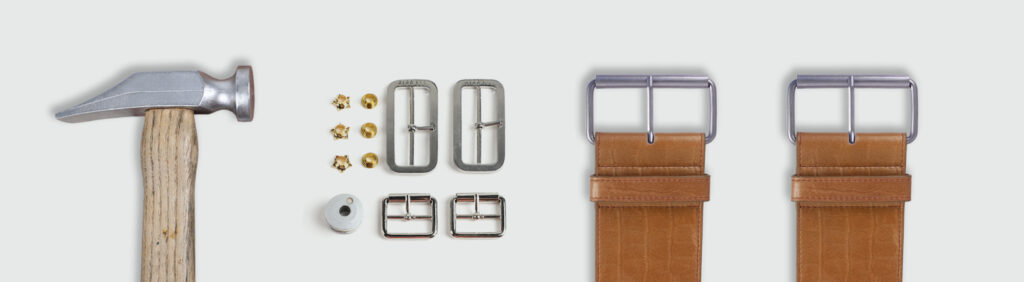
Hardware & Component Setting Up Of Leather Belt Manufacturing
In luxury leather belt manufacturing, hardware and metal components play a defining role in both aesthetics and durability. Buckles, prongs, rivets, and decorative metal accessories are not just functional elements — they are visual focal points that communicate brand identity and quality. Luxury brands often choose premium materials such as solid brass, stainless steel, or zinc alloy with refined surface treatments to achieve a polished and timeless look.
For many high-end belt collections, custom hardware molds and logo engraving are essential. Developing exclusive buckle shapes, engraved logos, or signature finishes helps brands differentiate themselves in a competitive market. Custom molds ensure design consistency across collections, while precise engraving techniques enhance brand recognition without compromising elegance. This stage requires close collaboration between designers and hardware suppliers to ensure proportions, weight, and finishing align with the belt’s overall design language.
Equally important is quality inspection for metal components. For luxury leather belts, standards go far beyond basic functionality. Anti-scratch and anti-peeling coatings are critical to prevent paint chipping, fading, or surface damage during daily wear. Hardware undergoes rigorous testing for coating adhesion, corrosion resistance, and smooth edge finishing to ensure long-term performance. Even minor flaws in metal components can significantly impact the perceived quality of a luxury belt.
By carefully setting up and inspecting every hardware element, manufacturers ensure that each leather belt delivers not only visual refinement but also lasting durability — meeting the high expectations of luxury consumers worldwide.
Assembly, Stitching & Finishing of Leather Belts
The assembly, stitching, and finishing stage is where a leather belt truly comes to life, transforming individual components into a refined luxury accessory. The process begins with belt layering, where the outer leather, lining, and reinforcement layers are carefully aligned. High-quality adhesives are applied to bond the layers securely, ensuring structural stability before stitching begins.
Next comes stitching, a critical step that affects both durability and aesthetics. Luxury leather belts often use precision stitching techniques, either by skilled artisans or advanced machinery, to achieve clean, even stitches along the edges. Strong, high-grade threads are selected to withstand daily wear while maintaining a refined appearance. Edge finishing follows, smoothing the belt’s sides and preparing them for painting or burnishing.
Hole punching is then performed with precise spacing to ensure comfort and usability across sizes. Depending on the brand’s style, edges may be treated with edge paint for a modern, polished look or hand burnished for a more traditional, artisanal finish. Multiple layers of edge paint or repeated burnishing enhance durability and resistance to wear.
Finally, the belt undergoes final shaping, polishing, and branding. Excess materials are trimmed, surfaces are polished for a smooth feel, and branding elements such as embossed logos or stamped marks are applied. This final stage ensures each leather belt meets luxury standards — delivering both visual elegance and long-lasting quality.
Quality Control, Packaging & Delivery of Leather Belts
The final stage of leather belt manufacturing focuses on quality control, packaging, and delivery, ensuring that every finished product meets brand standards before reaching the market. Quality inspection begins with checking size accuracy, confirming that belt lengths, widths, and hole placements match the approved specifications. Stitching strength is carefully tested to ensure durability, while the overall appearance — including leather surface, edge finishing, and hardware alignment — is examined for consistency and perfection.
Once quality standards are confirmed, attention turns to packaging, which plays a vital role in brand presentation. A professional private label belt manufacturer understands that packaging is an extension of the brand itself. Instead of generic solutions, customized packaging options such as branded boxes, dust bags, and hang tags are developed to reflect each brand’s identity. From box materials and textures to logo placement and color schemes, tailored packaging enhances the unboxing experience and reinforces a premium image at retail.
The final step is inspection, bulk packing, and global shipment. Before dispatch, belts undergo a final inspection to ensure they meet all approved criteria. Products are then carefully packed in bulk, protecting them from damage during transportation. Reliable logistics planning ensures smooth international shipping, whether for boutique retailers or large-scale distribution. Through rigorous quality control, thoughtful packaging, and efficient delivery, luxury
FAQs
Full-grain leather is considered the highest quality for luxury belts due to its durability, natural texture, and ability to age beautifully. Top-grain leather is also widely used for premium collections, offering a refined surface and consistent appearance.
Yes. A professional private label belt manufacturer can handle everything from design support and material sourcing to custom hardware, branded packaging, and bulk production — all under your brand identity.
Quality control covers multiple stages, including size accuracy, stitching strength, leather surface inspection, edge finishing, and hardware durability. Final inspections ensure every belt meets approved standards before shipment.
Absolutely. Many manufacturers now offer ethically sourced and traceable leather, eco-friendly linings, and sustainable packaging options to meet modern brand and consumer expectations.
Lead times depend on design complexity, order quantity, and customization level. On average, sampling takes 2–4 weeks, while bulk production usually requires 30–45 days after sample approval.




![5wedges[1]](https://k.shoes/wp-content/uploads/2021/07/5wedges1-300x87.jpg)