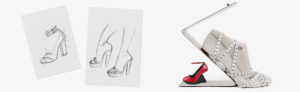

A handbag prototype is an important step in handbag manufacturing because it turns a design idea into a real, testable product before mass production. A bag may look beautiful in a sketch or reference image, but the actual sample helps brands check whether the shape, structure, size, handle, pockets, closure, logo position, and overall usability truly work in real life. For startup handbag brands, designer labels, and private label projects, prototype development can reduce costly mistakes before bulk production begins. In this article, we will explain what a handbag prototype is, what information brands should prepare, how the prototype is made, how to review it, and how to choose the right prototype maker or manufacturer.
What Is a Handbag Prototype and Why Does It Matter?
A handbag prototype is the first physical version of a handbag made before mass production. It helps turn a design idea, sketch, reference image, or early concept into a real sample that can be seen, touched, carried, and tested.
For new handbag brands, designer labels, and private label projects, a prototype is important because a bag that looks good on paper may not always work well as a real product. The prototype gives both the brand and manufacturer a chance to confirm whether the design is practical before investing in bulk production.
A handbag prototype mainly helps confirm:
- Shape and proportion: whether the bag looks balanced in real life
- Structure: whether the body, bottom, handle, strap, and compartments work properly
- Usability: whether the opening, pockets, closure, and carrying method are practical
- Craftsmanship direction: whether the design can be made with the expected quality level
- Production feasibility: whether the design can be developed further for manufacturing
It is also different from a technical drawing or a final sample:
| Item | Meaning |
|---|---|
| Technical Drawing | A design document showing measurements, structure, and construction details |
| Handbag Prototype | A physical sample used to test the design before mass production |
| Final Sample | A production-ready sample used for final approval |
In short, a handbag prototype reduces development risk. It allows brands to find design problems early, improve details, and confirm whether the handbag can move toward final sampling and large-scale production.
What Should You Prepare Before Making a Handbag Prototype?
Before asking a supplier to make a handbag prototype, brands should prepare clear design and product information. The more specific your details are, the easier it is for the supplier to understand your idea, estimate the development work, create the pattern, and make the first physical sample. If the information is incomplete, the prototype can still be developed, but it may require more communication, more revisions, and a longer development process.
Before requesting a handbag prototype quote, brands should clearly explain what they want to test: the shape, structure, material effect, branding details, or production feasibility.
Here are the key details to prepare:
| Information to Prepare | Why It Matters |
|---|---|
| Design Sketch or Reference Images | Helps the maker understand the style, shape, and design direction |
| Bag Type | Defines whether it is a tote, shoulder bag, crossbody bag, clutch, backpack, or travel bag |
| Measurements | Confirms length, height, width, bottom depth, handle drop, and strap length |
| Bag Structure | Shows pockets, compartments, zipper position, closure type, and lining layout |
| Material Preference | Gives the supplier direction for leather, PU, canvas, nylon, vegan leather, or fabric |
| Hardware Requirements | Clarifies zippers, buckles, chains, snaps, locks, logo plates, and metal feet |
| Logo & Branding Details | Confirms logo placement, embossing, metal logo, woven label, hangtag, and packaging needs |
| Target Price Range | Helps the supplier recommend practical materials and construction methods |
| Expected Order Quantity | Allows the supplier to judge whether prototype development can lead to bulk production |
A complete tech pack is helpful because it usually includes technical drawings, measurements, materials, hardware details, stitching notes, logo placement, and construction requirements. With a clear tech pack, the supplier can develop the handbag prototype more accurately.
However, not every new brand has a full tech pack at the beginning. If you only have sketches, reference images, or an existing bag you want to modify, many suppliers can still help you organize the details into technical drawings and patterns. In this case, you should expect more discussion and possible revisions before the prototype matches your original idea.
Step-by-Step Process: How a Handbag Prototype Is Made
The handbag prototype-making process is not only about sewing a bag. It includes design review, feasibility checking, pattern development, material preparation, component making, assembly, and finishing. Each step helps turn the original design idea into a real physical sample that can be tested and improved.
| Step | Process | What Happens |
|---|---|---|
| Step 1 | Design Review | The supplier checks whether the design information is clear enough to start development. |
| Step 2 | Feasibility Check | The sample maker studies whether the bag can be made properly in real production. |
| Step 3 | Pattern Making | The design is broken down into separate pattern pieces. |
| Step 4 | Material and Hardware Preparation | The supplier prepares the required fabrics, lining, reinforcement, and accessories. |
| Step 5 | Cutting and Component Preparation | Materials are cut and key parts are prepared before sewing. |
| Step 6 | Stitching and Assembly | The handbag body, lining, straps, pockets, and hardware are assembled. |
| Step 7 | Finishing and Shaping | The prototype is cleaned, shaped, adjusted, and checked before review. |
Step 1: Design Review
The supplier first reviews all information provided by the brand, such as sketches, reference images, measurements, material direction, hardware ideas, and branding details. This step helps the sample maker understand what the brand wants before creating the first prototype.
At this stage, the supplier usually checks:
- Whether the design direction is clear
- Whether the bag shape can be understood from the sketch or reference images
- Whether the measurements are complete
- Whether the structure, opening, pockets, and lining layout are explained
- Whether logo placement and branding details are included
- Whether any important information is missing
If the design information is too vague, the supplier may ask for additional details before starting pattern development.
Step 2: Feasibility Check
After understanding the design, the supplier will evaluate whether the handbag can be made properly as a real product. A bag may look attractive in a drawing, but some details may be difficult to build, unstable, uncomfortable, or unsuitable for later production.
Common feasibility checks include:
| What to Check | Why It Matters |
|---|---|
| Bag Shape | Confirms whether the bag can hold its intended form |
| Opening Method | Checks whether the zipper, flap, snap, or drawstring is practical |
| Handle and Strap Structure | Ensures the carrying parts are strong enough |
| Pocket Layout | Confirms whether inner and outer pockets are usable |
| Hardware Position | Makes sure buckles, chains, snaps, and logo parts can be installed correctly |
| Construction Difficulty | Helps avoid designs that are too complicated or unstable for production |
This step helps reduce problems before materials are cut.
Step 3: Pattern Making
Pattern making is one of the most important steps in handbag prototype development. The pattern maker converts the design into separate parts that can be cut, sewn, and assembled.
A handbag pattern may include:
- Front panel
- Back panel
- Side gusset
- Bottom panel
- Handle
- Shoulder strap
- Zipper panel
- Pocket pieces
- Lining pieces
- Reinforcement parts
The pattern affects the bag’s final shape, size, capacity, structure, and production stability. If the pattern is inaccurate, the finished prototype may look unbalanced, feel uncomfortable, or fail to match the original design.
Step 4: Material and Hardware Preparation
Once the pattern direction is confirmed, the supplier prepares the materials and accessories needed for the prototype. At this stage, the focus is preparation, not final material evaluation.
Common items prepared include:
| Category | Examples |
|---|---|
| Outer Material | Leather, PU, canvas, nylon, fabric, or other selected materials |
| Lining | Interior fabric for the inside of the handbag |
| Reinforcement | Support materials used to help the bag hold its shape |
| Zipper | Main opening zipper, pocket zipper, or decorative zipper |
| Buckles and Rings | Strap buckles, D-rings, O-rings, and adjustment parts |
| Chains and Snaps | Chain straps, magnetic snaps, locks, and closure parts |
| Logo Parts | Metal logo plate, embossed logo part, woven label, or printed label |
Common materials used in handbag prototypes include leather, PU, synthetic leather, canvas, nylon, lining fabric, molding board, EVA, hardware, zippers, and shoulder strap materials. Early prototypes focus more on structural verification and may use alternative materials; the final confirmed sample is closer to the materials used in actual mass production.
Step 5: Cutting and Component Preparation
After the patterns and materials are ready, the sample maker cuts the outer material, lining, and reinforcement pieces according to the pattern. Accuracy is important because even small cutting errors can affect the final shape and assembly.
Before sewing, some parts also need preparation, such as:
- Skiving: thinning leather edges for easier folding or sewing
- Folding: folding edges to create cleaner construction
- Gluing: temporarily fixing parts before stitching
- Edge preparation: preparing edges for later finishing
- Punching: making holes for hardware, straps, or stitching
- Reinforcement attachment: adding support materials to key areas
This step prepares each component so the bag can be assembled smoothly.
Step 6: Stitching and Assembly
The sample maker then begins sewing and assembling the handbag. This is where the separate pieces gradually become a real bag.
The general assembly order often includes:
- Making small components first, such as handles, straps, zipper panels, and pockets
- Assembling the lining and inner compartments
- Installing zippers, snaps, rings, buckles, and selected hardware
- Stitching the front panel, back panel, side gusset, and bottom panel
- Connecting the outer bag body with the lining
- Reinforcing stress points such as handles, strap connections, and closures
This step determines whether the prototype feels solid, balanced, and close to the intended design.
Step 7: Finishing and Shaping
After assembly, the prototype goes through finishing work. This makes the bag cleaner, more stable, and easier for the brand to review.
Common finishing steps include:
| Finishing Work | Purpose |
|---|---|
| Trimming Threads | Removes loose threads and improves appearance |
| Cleaning Glue Marks | Makes the sample look cleaner |
| Edge Painting | Gives exposed edges a neater finish |
| Shaping the Bag | Helps the bag hold its intended silhouette |
| Checking Symmetry | Confirms both sides look balanced |
| Testing Zippers and Hardware | Ensures openings, closures, and accessories work properly |
At the end of this process, the brand receives the first physical handbag prototype for review. This sample may not be the final production version yet, but it gives both sides a real product to evaluate and improve.
How to Review and Improve Your Handbag Prototype
After receiving the handbag prototype, brands should review it from both design and production perspectives. The goal is not only to check whether the bag looks attractive, but also to find out what needs to be improved before making a final sample or moving toward bulk production.
A practical way is to review the prototype in this order:
| Review Step | What to Check | Example Feedback |
|---|---|---|
| 1. Overall Shape | Check whether the bag matches the intended silhouette, proportion, and style. | “The body looks wider than the reference image. Please reduce the side width slightly.” |
| 2. Size Accuracy | Measure length, height, width, bottom depth, handle drop, and strap length. | “Increase the handle drop by 2 cm for more comfortable shoulder carrying.” |
| 3. Function | Test pockets, zippers, closures, compartments, and opening methods. | “The zipper opening is too narrow. Please extend it so users can access the inside more easily.” |
| 4. Material Feel | Check thickness, softness, stiffness, texture, and structure. | “The side panel feels too stiff. Please make it softer while keeping the bag shape stable.” |
| 5. Craftsmanship | Review stitches, seams, edge painting, corners, folding, and glue control. | “The edge paint on the handle is uneven. Please improve the finishing.” |
| 6. Hardware | Test zippers, snaps, buckles, chains, locks, and logo parts. | “The magnetic snap is not strong enough. Please use a stronger closure.” |
| 7. Branding | Check logo position, size, color, and finish. | “Move the metal logo plate 1 cm lower and keep it centered.” |
| 8. Comfort | Carry the bag by hand or shoulder to test real use. | “The chain strap feels too heavy. Please suggest a lighter option.” |
| 9. Production Feasibility | Judge whether the design can be produced consistently in bulk. | “This corner construction looks difficult to control in production. Please simplify it.” |
When giving revision feedback, brands should avoid vague comments such as “make it better” or “improve the shape.” Clear, measurable feedback is easier for the supplier to follow. For example, instead of saying “the bag looks strange,” write: “The bottom looks too narrow compared with the sketch. Please increase the bottom depth by 1.5 cm and keep the side panel shape unchanged.”
Useful feedback methods include:
- Use photos to show the problem area.
- Use annotated PDFs to mark exact changes.
- Use short videos to show zipper, closure, or strap issues.
- Separate design changes from supplier mistakes.
- Keep one approved sample as the production reference.
How to Choose the Right Handbag Prototype Maker or Manufacturer
Choosing the right handbag prototype maker is important because prototype development and bulk production are not always handled by the same supplier. Some makers focus mainly on sample development, pattern making, and design testing, but may not operate large-scale production lines. Others are full handbag factories that can support the whole process from prototype to mass production.
For new brands, the key is to choose a partner based on your real stage: are you still testing an idea, or are you preparing for future production?
| Supplier Type | Best For | Notes |
|---|---|---|
| Independent Sample Maker | Early concept testing or one-off prototype | Flexible and strong in sample development, but may not support mass production |
| Product Development Studio | Turning sketches or ideas into technical designs | Useful when the brand does not have a complete tech pack; production may be outsourced |
| Leather Goods Workshop | Premium, handmade, or luxury leather bags | Suitable for boutique products, but capacity may be limited |
| Handbag Factory | Prototype plus bulk production | Better for brands planning real orders after sample approval |
| Private Label Manufacturer | Branded handbag development and production | Supports logo, lining, hardware, packaging, MOQ discussion, and sample-to-bulk coordination |
When comparing suppliers, brands should not only ask whether they can “make a sample.” They should check whether the supplier’s ability matches the next stage of the project.
| What to Check | Why It Matters |
|---|---|
| Prototype Development Experience | Helps turn sketches, references, or concepts into a workable sample |
| Pattern-Making Ability | Controls the bag’s shape, capacity, structure, and production feasibility |
| Material Sourcing Ability | Helps match leather, PU, canvas, lining, reinforcement, and hardware |
| Customization Support | Important for logo, hardware, lining, packaging, and private label branding |
| Production Capability | Confirms whether the supplier can move from prototype to bulk manufacturing |
| MOQ Flexibility | Helpful for startups, boutique brands, and small batch production |
| Sample-to-Bulk Consistency | Ensures mass production matches the approved sample |
| QC Process | Reduces defects in stitching, shape, hardware, edge finishing, and packaging |
| Clear Communication | Prevents misunderstandings about cost, timeline, revisions, and quality standards |
Brands can ask these questions before starting:
- Do you only make prototypes, or can you also handle bulk production?
- Can you develop a prototype from sketches or reference images?
- Do you provide pattern making and technical development?
- Can you help source materials and hardware?
- Do you support logo, lining, hardware, and packaging customization?
- What is your MOQ for future production?
- How do you keep bulk production consistent with the approved sample?
- What quality checks do you perform before shipping?
If a brand only needs to test an early idea, an independent sample maker or development studio may be enough. But if the goal is to launch a real product, working with a manufacturer that supports both prototype development and bulk production is usually more efficient.
For startup handbag brands, boutique labels, and private label projects, suppliers such as K Shoes can help manage product development, material sourcing, sample revision, private label customization, and production coordination, making the transition from first prototype to market-ready products smoother.
FAQs
A handbag prototype is the first physical sample made before mass production to test shape, structure, function, and feasibility.
A tech pack helps, but sketches, reference images, and measurements can also work.
It includes design review, pattern making, material preparation, cutting, stitching, assembly, and finishing.
Some can, but not all. Always confirm production capacity, MOQ, QC, and sample-to-bulk consistency.