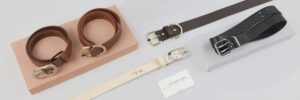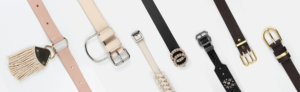

In today’s competitive fashion and luxury market, a leather belt is far more than a simple accessory — it represents craftsmanship, identity, and brand value. From globally recognized names like Hermès and Gucci to emerging designer labels, high-end belts have become essential products that reflect both style and quality. But what truly goes into creating a premium leather belt? Behind every finished piece lies a detailed process involving design, material selection, craftsmanship, and quality control. In this article, we’ll take you through the complete high-end belt production process, helping you understand how top-tier belts are developed — and what brands should know before bringing their own collection to market.
Introduction: Understanding High-End Belt Production
In today’s fashion and luxury market, a belt is no longer just a functional accessory—it has become a key element of personal style and brand expression. A high-end leather belt represents a refined balance of craftsmanship, material quality, and design philosophy. From iconic brands like Louis Vuitton and Hermès to emerging designers, more companies are investing in premium belt manufacture to elevate their product lines and strengthen brand identity.
What defines a high-end belt is not just its appearance, but the level of detail behind it. Carefully selected full-grain leather, precise edge finishing, hand-polished hardware, and consistent stitching all contribute to its overall value. At the same time, modern consumers are increasingly aware of sustainability and ethical sourcing, making traceability and responsible production essential factors in purchasing decisions.
Interestingly, the reality of luxury belt production is often very different from what people imagine. Contrary to the idea of high-tech, fully automated factories, many true luxury belts are crafted in small, understated workshops—spaces that may appear modest but carry decades of accumulated skill. These workshops, often marked by time and tradition, are where experienced craftsmen carefully cut, stitch, and finish each belt by hand. It is precisely this human touch, rather than industrial scale, that defines the essence of luxury.
As competition intensifies, brands are shifting away from low-cost mass production toward quality-driven manufacturing, seeking not just suppliers, but partners who understand both craftsmanship and brand positioning.
Design & Material of Luxury Belt
The foundation of any high-end belt begins with thoughtful design and material selection. Brands define the product direction — whether classic, contemporary, or signature styles — while ensuring proper sizing, proportions, and usability.
Material selection is critical. Full-grain leather is widely used for its durability and natural texture, while top-grain leather offers a more refined and consistent finish. Increasingly, brands are also focusing on sustainable and traceable sourcing to align with modern market expectations.
Supporting materials such as lining, reinforcement layers, and edge finishing components also play a key role in durability and comfort. These details determine how the belt performs over time and how it is perceived by the end user.
Pattern Making & Leather Cutting
Pattern making defines the structure of the belt, including dimensions, tapering, and hole placement. Accurate size grading ensures consistency across different sizes.
Leather cutting is one of the most important steps in determining product quality. For high-end belts, manual cutting by experienced craftsmen is often preferred, as it allows careful selection of leather sections and better control over grain alignment.
While die cutting and CNC cutting improve efficiency, they are more suitable for large-scale production. Manual cutting offers greater flexibility, especially for customized or small-batch orders.
At the same time, manufacturers must balance material efficiency with quality. Proper layout planning minimizes waste while ensuring only the best parts of the leather are used.
Hardware & Custom Development
Hardware is one of the most recognizable elements of a belt. In many cases, it defines the brand itself.
Many brands choose to develop custom hardware to strengthen their identity. This includes unique buckle shapes, logo engraving, and signature finishes. A classic example is Gucci, whose double-G buckle has become an iconic symbol worldwide.
Material quality and surface treatment are equally important. Anti-scratch and anti-fading coatings help maintain durability and appearance over time, especially for products positioned in the high-end segment.
Custom molds, engraved logos, and premium metal finishing are essential for achieving this level of recognition.
Assembly, Stitching & Finishing
The assembly stage brings all components together into a finished product. Layering, gluing, and stitching must be executed with precision to ensure structural integrity.
Stitching quality is a key indicator of craftsmanship. Clean, even stitching enhances both durability and appearance. Edge finishing, whether through edge paint or burnishing, defines the final look and wear resistance.
Hole punching, shaping, and polishing follow, along with branding elements such as embossed logos. Every step requires attention to detail, as even minor imperfections can affect the final product.
Quality Control, Packaging & Delivery
Quality control ensures that every belt meets the required standards before reaching the market. This includes checks for size accuracy, stitching strength, leather condition, and hardware alignment.
Packaging also plays a key role — premium boxes, dust bags, and presentation details contribute to the overall brand experience.
After final inspection, belts are carefully packed and prepared for global shipment, ensuring safe delivery and reliable logistics.
Buyer Insight: Choosing the Right Belt Manufacturer
Selecting the right manufacturing partner is essential for building a successful product line. Buyers should evaluate material sourcing, craftsmanship level, flexibility, and communication efficiency.
An experienced manufacturer can help optimize designs, improve production feasibility, and reduce risks during development. This is especially valuable for brands without in-house technical expertise.
Many brands choose to work with partners who support both product development and luxury belt manufacture, offering services such as prototyping, customization, and packaging.
Strong collaboration ensures that ideas are translated into high-quality products efficiently, helping brands scale with consistency and confidence.
FQAs
High-end belts are typically made from full-grain leather, top-grain leather, or other premium materials chosen for durability, texture, and appearance.
A luxury belt stands out through premium materials, precise craftsmanship, refined edge finishing, and carefully selected hardware.
High-end leather belts are made through material selection, cutting, stitching, edge finishing, hardware attachment, and final quality inspection.
Craftsmanship affects the belt’s durability, comfort, and appearance by ensuring clean stitching, consistent shape, and polished finishing.
Quality control usually includes checking leather grade, stitch strength, buckle durability, edge finish, sizing accuracy, and overall construction.
A premium belt should be stored properly, kept away from excess moisture and heat, and cleaned with products suited to its material.