
Leather belts may look simple, but a good leather belt design involves much more than choosing a piece of leather and adding a buckle. Today, belts are closely connected to fashion styling, brand identity, craftsmanship, comfort, and long-term product positioning. Some designs focus on versatility and stable daily sales, while others are created for luxury fashion, streetwear trends, or statement styling. Materials, buckle structure, leather thickness, edge finishing, and comfort can all influence how a belt performs in the market. Different customer groups also prefer different styles — business users may prioritize practicality and comfort, while fashion consumers often look for visual identity and trend appeal. In this guide, we will explore 10 of the most important leather belt designs, explain their strengths and positioning, and help brands, buyers, and designers understand which styles are worth learning and developing today.
What Makes a Good Leather Belt Design?
A good leather belt design should be evaluated in this order:
- Style Versatility
A strong belt design should work with different outfits and occasions. Classic brown belts, minimalist belts, and reversible belts are easier to match, while statement buckle belts or western belts are more style-specific. - Target Customer
Each belt design should match a clear customer group. Quiet luxury belts suit premium consumers, western belts attract vintage and streetwear audiences, while ratchet belts appeal to practical business users. - Material Quality
Leather quality directly affects texture, durability, and price positioning. Full-grain leather, calf leather, vegetable-tanned leather, and premium embossed leather usually create a stronger sense of value. - Comfort and Adjustability
Comfort is important for daily wear, office use, and travel. Ratchet belts and braided belts offer more flexible adjustment than traditional fixed-hole designs. - Durability
A good belt should resist stretching, cracking, edge peeling, and buckle fading. Leather thickness, stitching, edge finishing, bonding, and hardware plating all matter. - Trend Stability
Classic brown and minimalist belts have long-term sales potential. Western belts, wide waist belts, and statement buckle belts may offer stronger trend appeal but can be more seasonal. - Buckle Design
The buckle influences both function and visual identity. Pin buckles feel classic, ratchet buckles improve adjustability, while logo or oversized buckles create stronger brand recognition. - Craftsmanship Difficulty
Some belts are easier to produce, such as classic dress belts. Others, like western tooled belts, braided belts, and handmade full-grain belts, require more skilled workmanship, higher cost, and stricter quality control.
Best 10 leather belt designs
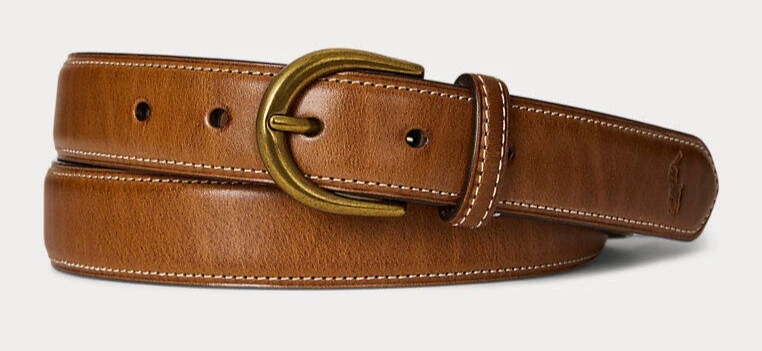
1. Classic Brown Leather Belt
Features
- Timeless brown tone with a traditional pin buckle
- Highly versatile and easy to match
- Stable long-term demand
- Suitable for mass production
Best For
- Business casual and daily office wear
- Jeans, chinos, and casual tailoring
- Mainstream menswear brands
- Entry-level private label collections
Representative Products
- Levi’s Casual Leather Belt
- Polo Ralph Lauren Leather Belt
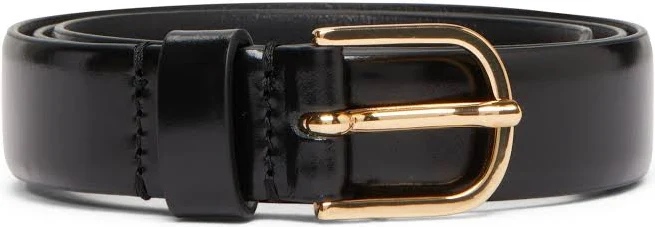
2. Minimalist Quiet Luxury Belt
Features
- Clean silhouette with no oversized logo
- Focuses on premium leather and refined hardware
- Quiet luxury aesthetic
- Requires high-quality finishing
Best For
- Minimalist and premium officewear
- Boutique and designer brands
- High-income consumers
- Modern luxury wardrobes
Representative Products
- The Row Leather Belt
- Totême Classic Belt
- Loro Piana Leather Belt
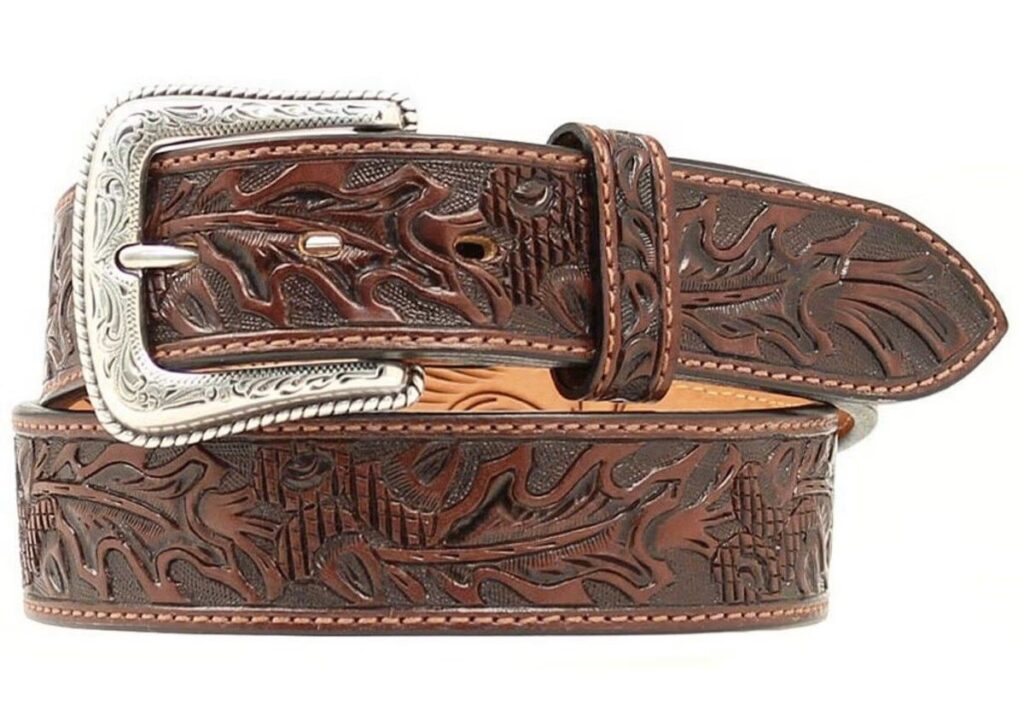
3. Western Leather Belt
Features
- Large buckle with strong visual identity
- Tooled leather, studs, and vintage metal details
- Strong social media appeal
- More complex to manufacture
Best For
- Americana, cowboy, and vintage styling
- Music festivals and streetwear
- Younger trend-focused consumers
- TikTok and Instagram fashion content
Representative Products
- Ariat Western Belt
- Nocona Tooled Leather Belt
- Lucchese Western Belt
4. Textured or Croc-Embossed Leather Belt
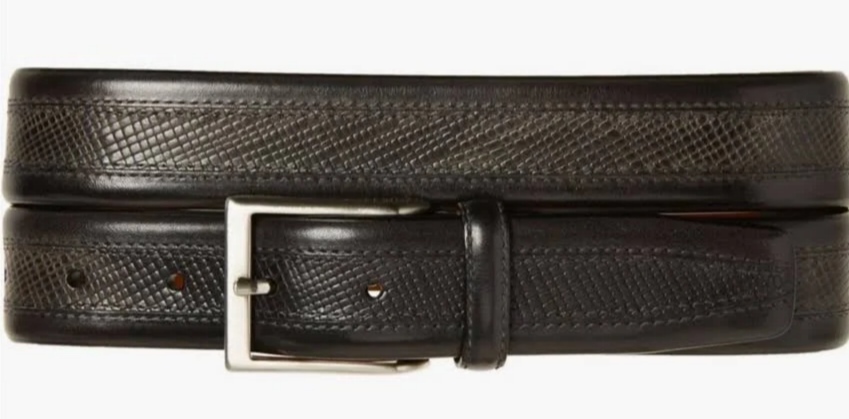
Features
- Crocodile, snake, or lizard embossed textures
- Luxury look at a more accessible cost
- Suitable for premium styling
- Requires consistent embossing and surface treatment
Best For
- Luxury business casual
- Evening and smart casual outfits
- Consumers seeking understated luxury
- Premium private label collections
Representative Products
- Bally Croc-Embossed Belt
- Magnanni Embossed Belt
5. Wide Waist Leather Belt
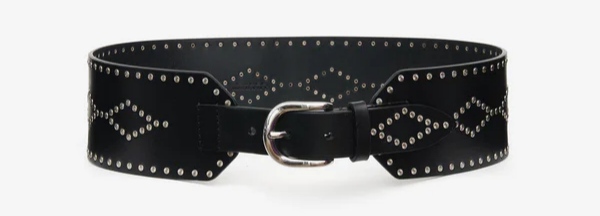
Features
- Wide silhouette that defines the waist
- Strong decorative and fashion-forward effect
- Includes corset and wrap-style designs
- Requires soft leather and good fit design
Best For
- Womenswear collections
- Dresses, blazers, coats, and layered outfits
- Fashion-forward female consumers
- High-end styling pieces
Representative Products
- Isabel Marant Wide Belt
- Alaïa Wide Leather Belt
6. Ratchet Leather Belt
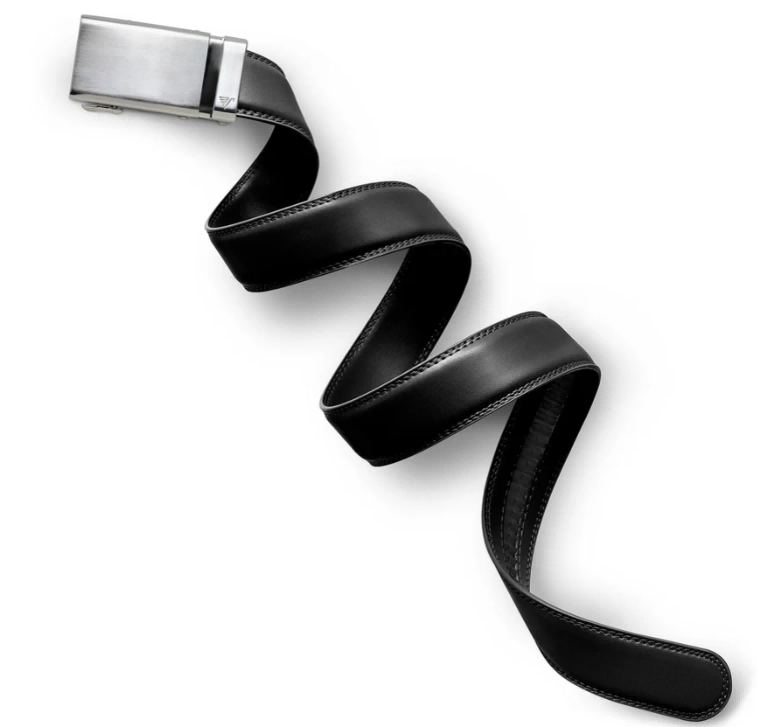
Features
- Hole-free automatic buckle system
- Micro-adjustable for better comfort
- Modern, practical, and convenient
- Buckle mechanism quality is critical
Best For
- Business menswear
- Daily commuting and travel
- Office workers who value comfort
- Functional gift markets
Representative Products
- Mission Belt Ratchet Belt
- Anson Belt
- SlideBelts Leather Belt
7. Braided Leather Belt
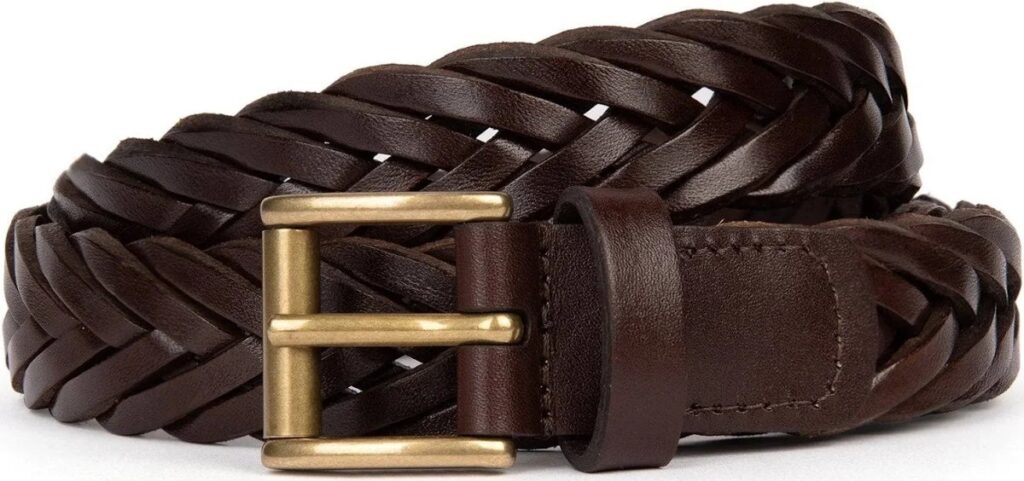
Features
- Woven leather construction
- Flexible adjustment without fixed holes
- Relaxed and casual appearance
- Weaving quality strongly affects durability
Best For
- Resort wear and summer styling
- Linen outfits, chinos, and casual menswear
- European relaxed fashion markets
- Casual private label collections
Representative Products
- Anderson’s Braided Leather Belt
- Polo Ralph Lauren Braided Belt
8. Reversible Leather Belt
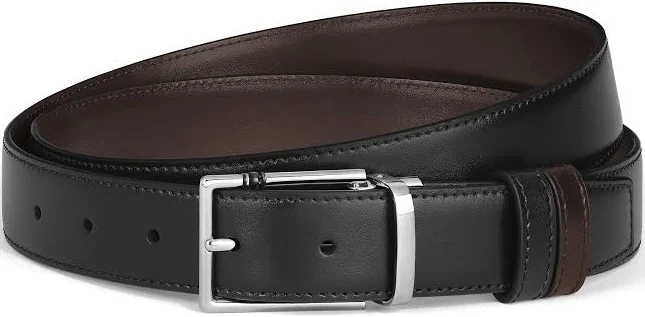
Features
- Double-sided design, often black/brown
- Rotating buckle mechanism
- Practical and travel-friendly
- Strong gifting potential
Best For
- Business travel and daily office wear
- Gift markets
- Consumers who value convenience
- Practical menswear collections
Representative Products
- Coach Reversible Belt
- Hugo Boss Carmello Belt
- Montblanc Reversible Belt
9. Handmade Full-Grain Leather Belt
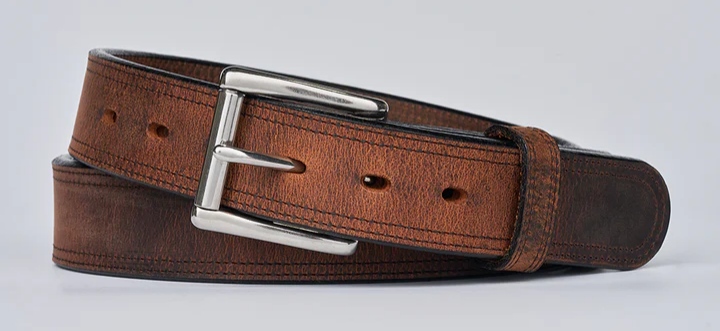
Features
- Made from full-grain or vegetable-tanned leather
- Hand-cut, hand-dyed, or hand-finished
- Extremely durable
- Develops natural patina over time
Best For
- Heritage menswear and vintage fashion
- Artisan and niche luxury brands
- Consumers focused on durability
- Premium craftsmanship collections
Representative Products
- Tanner Goods Standard Belt
- Filson Bridle Leather Belt
- Hanks Belt
10. Statement Buckle Belt
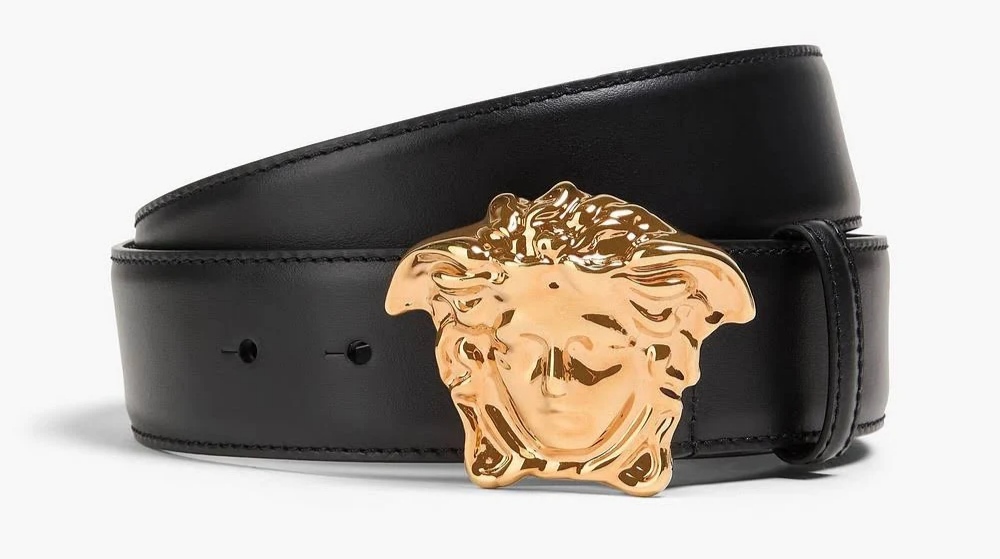
Features
- Oversized logo or decorative buckle
- Sculptural, eye-catching hardware
- Strong brand recognition
- More trend-driven than timeless
Best For
- Fashion street style and party outfits
- Luxury fashion and statement styling
- Younger trend-conscious consumers
- Social media-driven collections
Representative Products
- Gucci GG Marmont Belt
- Louis Vuitton LV Initiales Belt
- Versace Medusa Belt
How to Choose the Right Leather Belt Design for Your Brand
For stable long-term sales:
Choose classic brown leather belts, minimalist belts, or reversible belts. These styles are easy to match and less affected by seasonal trends. For example, Polo Ralph Lauren and Coach often use classic leather belts as core accessories because they suit daily wear, business casual outfits, and gift markets.
For stronger fashion impact:
Consider western belts, textured belts, or statement buckle belts. Ariat and Nocona show how western belts can build a strong Americana identity, while Gucci and Versace use bold buckles to create instant brand recognition. These designs are suitable for fashion-led brands, but inventory risk is higher.
For women’s fashion collections:
Choose wide waist leather belts. Brands such as Alaïa and Isabel Marant often use wide belts to shape the waist and strengthen the outfit silhouette. This style works well with dresses, blazers, coats, and oversized shirts.
For comfort-driven markets:
Choose ratchet leather belts. Mission Belt, Anson Belt, and SlideBelts focus on micro-adjustment and daily comfort, making this design suitable for business users, commuters, travelers, and office workers.
For premium artisan positioning:
Choose handmade full-grain belts. Tanner Goods and Filson are good examples of brands using full-grain or bridle leather to emphasize durability, patina, and craftsmanship. This direction fits heritage, workwear, and niche luxury brands.
For resort or casualwear markets:
Choose braided leather belts. Anderson’s and Polo Ralph Lauren use braided designs to create a relaxed summer or resort look. They pair well with linen trousers, chinos, denim, and casual menswear collections.
Common Materials Used in Leather Belt Designs
- Full-Grain Leather
Full-grain leather is considered one of the highest-quality materials for leather belts because it keeps the natural grain surface intact. It is highly durable, develops a natural patina over time, and is commonly used in heritage, workwear, and premium artisan belts. Brands such as Filson and Tanner Goods frequently use full-grain leather to emphasize durability and craftsmanship. - Top-Grain Leather
Top-grain leather is slightly sanded and refined compared to full-grain leather, creating a smoother and more uniform appearance. It is widely used in business casual and fashion belts because it balances durability, appearance, and cost. - Calfskin
Calfskin is softer, smoother, and more refined than standard cowhide leather. It is often used in luxury and quiet luxury belt collections from brands such as Loro Piana and The Row because it creates a cleaner and more elegant finish. - Vegetable-Tanned Leather
Vegetable-tanned leather uses natural tannins instead of chemical-heavy treatments. It develops aging character over time and is popular in handmade, vintage, and artisan leather belt collections. - Suede
Suede leather has a soft brushed surface and creates a more relaxed and casual look. It is commonly used in resort wear, smart casual styling, and seasonal fashion collections. - Croc-Embossed Leather
Croc-embossed leather mimics crocodile or exotic skin textures while remaining more affordable than genuine exotic leather. It is widely used in luxury business casual and statement belt designs. - Bridle Leather
Bridle leather is heavily waxed and conditioned, making it extremely durable and structured. It is commonly found in premium handcrafted belts and equestrian-inspired leather goods.
Overall, material choice directly affects price, durability, texture, comfort, and brand positioning.
Key Manufacturing Details to Check
Leather thickness
Check whether the leather thickness matches the belt type and target market. Dress belts usually need a cleaner, slimmer profile, while workwear, western, and handmade full-grain belts often require thicker leather for structure and durability.
Edge finishing
Belt edges should be smooth, sealed, and resistant to cracking or peeling. For premium belts, edge painting, polishing, or burnishing must look clean and consistent from sample to bulk production.
Stitching quality
Stitching should be straight, even, and strong. Uneven stitches can make the belt look cheap, while weak stitching may affect durability, especially around the buckle area and strap end.
Buckle plating
The buckle should resist fading, scratching, and oxidation. For luxury or private label belts, plating color consistency is important, especially for gold, silver, gunmetal, or matte hardware.
Hole punching accuracy
Belt holes should be clean, evenly spaced, and aligned with the strap center. Poor punching affects both appearance and wearing comfort.
Strap flexibility
The strap should bend naturally without cracking, feeling too stiff, or losing shape quickly. This is especially important for daily wear, travel, and comfort-focused belts.
Lining and bonding
If the belt uses a layered structure, the lining and outer leather must be firmly bonded. Weak bonding can cause separation, bubbling, or edge opening after use.
Sample-to-bulk consistency
The final bulk order should match the approved sample in leather color, thickness, buckle finish, stitching, logo position, and overall feel.
Packaging and private label customization
Check whether the manufacturer can support custom logo embossing, branded buckles, hang tags, dust bags, gift boxes, barcodes, and retail-ready packaging.
FAQs
The classic brown leather belt is usually the most versatile option. It works well with jeans, chinos, business casual outfits, and daily office wear.
Western belts, textured belts, wide waist belts, and statement buckle belts are strong trend-driven choices, especially for fashion brands and social media styling.
A ratchet leather belt is one of the most comfortable designs because it offers micro-adjustment without fixed holes. Braided belts are also flexible and easy to wear.
The wide waist leather belt is a strong choice for women’s fashion because it defines the waist and pairs well with dresses, blazers, coats, and oversized shirts.
Brands should check leather thickness, edge finishing, stitching, buckle plating, hole accuracy, strap flexibility, lining, bonding, sample consistency, and private label packaging options.