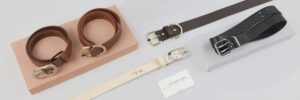

Creating a belt without a proper tech pack is one of the most common mistakes brands make when entering manufacturing. A belt tech pack acts as your product’s blueprint, translating design ideas into clear production instructions. It defines materials, measurements, construction details, and quality standards—ensuring your samples and bulk orders stay consistent. Without it, factories rely on assumptions, often leading to costly revisions and delays.
In this guide, you’ll learn exactly how to build a complete, production-ready belt tech pack, avoid common pitfalls, and streamline collaboration with manufacturers—so you can launch faster, reduce risk, and scale with confidence.
What Is a Belt Tech Pack and Why It Matters in Production
A belt tech pack is essentially your product’s instruction manual for the factory. It’s a detailed document that explains exactly how your belt should be made—from design and materials to construction and finishing. Think of it as the bridge between your idea and the final product.
Without a clear tech pack, manufacturers are forced to “interpret” your design. And that’s where problems start. One factory might choose a different leather thickness, another might change the buckle size slightly, and before you know it, your samples don’t match your expectations at all.
A good tech pack eliminates that uncertainty. It ensures that every sample and every bulk order follows the same specifications. This is especially important if you plan to scale your business or work with multiple suppliers.
For brands working with a Private Label Belt Manufacturer, a tech pack becomes even more critical. It allows you to standardize your products across different production runs while maintaining consistent quality and branding.
In short, a tech pack is not just a document—it’s your quality control system before production even begins.
Key Elements Every Belt Tech Pack Must Include
A professional belt tech pack should leave zero room for guessing. The more detailed it is, the smoother your production process will be.
Start with technical drawings. Include front, back, and even 3D views if possible. These visuals should clearly show dimensions, proportions, and construction details. Next, define all measurements—belt length, strap width, hole spacing, and tolerances.
Material specifications are another critical section. Clearly state the type of leather (full grain, top grain, PU), thickness, finish, and color. Don’t forget hardware details like buckle size, prong type, and plating.
You should also include stitching patterns, edge finishing methods, and even stitch density (for example, 6–8 stitches per inch). Branding elements such as logo placement, embossing size, and labeling instructions must be clearly marked.
Finally, add packaging details—boxes, dust bags, tags, and barcode requirements.
A complete tech pack acts like a checklist for the factory. If something isn’t written down, it doesn’t exist in production. That’s why clarity and completeness are everything.
Why a Detailed Tech Pack Is Critical for OEM/ODM Success
Many brands underestimate how costly a vague tech pack can be. A missing detail might seem small, but in manufacturing, small details multiply quickly.
Without clear instructions, factories will make assumptions. Those assumptions often lead to incorrect samples, multiple revisions, and wasted time. Each round of resampling adds cost, delays your launch, and creates frustration on both sides.
A detailed tech pack prevents this by aligning expectations from the beginning. It tells the factory exactly what you want—no guessing, no shortcuts.
This is especially important in OEM and ODM projects where customization is involved. Every variation in material, hardware, or finishing needs to be documented. Otherwise, consistency becomes impossible.
Another key benefit is cost control. When specifications are clearly defined, factories can quote more accurately. You avoid unexpected changes during production that could increase your costs.
In simple terms, a strong tech pack saves you money, reduces risk, and speeds up production. It’s one of the most important tools you have when working with overseas manufacturers.
Measurement Standards and Sizing Guidelines for Belts
Sizing is one of the most common areas where mistakes happen in belt production. That’s why your tech pack must define measurements clearly and consistently.
Start with total belt length. For example, you might specify something like 110–120 cm adjustable. Then define the strap width, such as 3.5 cm, and hole spacing, typically around 2.5 cm center-to-center.
Tolerances are just as important. A standard tolerance like ±0.5 cm helps factories understand acceptable variation limits during production.
You should also include a full size chart (S, M, L, XL) and clearly define how measurements are taken. For instance, specify whether the length is measured from the buckle to the middle hole.
Don’t forget structural details like the position of the keeper loop or the distance between holes and belt tip.
Clear sizing instructions reduce returns, improve customer satisfaction, and ensure consistency across batches. For brands selling internationally, this is especially important since sizing expectations vary between regions like the US, EU, and Asia.
Material, Hardware & BOM for Scalable Production
Choosing the right materials and hardware is not just about aesthetics—it directly affects cost, durability, and brand positioning.
Your tech pack should include a detailed BOM (Bill of Materials). This lists every component used in the belt, including leather, lining, thread, buckle, screws, and packaging.
Specify leather types clearly. Full-grain leather offers premium quality and durability, while PU is more cost-effective. Hardware should include details like material (zinc alloy, stainless steel), plating (nickel, matte black, gold), and finish.
Stitching and construction methods should also be defined. For example, include stitch density (6–8 SPI) and edge finishing techniques like painted edges or folded construction.
A well-defined BOM ensures that your product can be reproduced consistently, even when scaling production. It also makes it easier to compare supplier quotes and maintain quality control.
Ultimately, your material and hardware decisions define how your product looks, feels, and performs in the market.
From Sampling to Mass Production: How Tech Packs Ensure Consistency
A tech pack is not just for the first sample—it’s used throughout the entire production lifecycle.
During sampling, the tech pack guides the factory in creating your prototype. You can then review the sample against your specifications and make adjustments if needed.
Once approved, the same tech pack is used for bulk production. This ensures that every unit matches the approved sample. Without this consistency, scaling production becomes risky.
Quality control checkpoints should also be included in your tech pack. For example, you can define acceptable stitch density, color consistency, and hardware finish standards.
This structured approach allows you to move from prototype to mass production without redesigning or re-explaining your product.
For brands working with a Private Label Belt Manufacturer, this consistency is key to building a reliable product line. It ensures that every batch meets the same standards, no matter when or where it’s produced.
Working with a Private Label Belt Manufacturer Efficiently
Working with a manufacturer becomes much easier when your tech pack is clear and complete.
First, remember that every belt style should have its own tech pack. Even small changes—like a different buckle or material—require a separate document. This avoids confusion during sampling and production.
When sharing your tech pack, walk the manufacturer through key details. Don’t assume everything is understood. Good communication upfront saves time later.
It’s also important to review samples carefully and provide structured feedback. Refer back to your tech pack when making revisions to ensure alignment.
Choosing the right partner makes a big difference. Experienced teams—such as the K family team—can help refine your tech pack, suggest improvements, and reduce unnecessary sampling rounds. This is especially valuable if you’re aiming for premium or luxury-level products.
In the end, a strong collaboration between brand and manufacturer leads to better products, faster production, and fewer surprises.
Belt Tech Pack Checklist: Is Your Specification Ready for Production?
1. Design & Technical Drawings
☐ Front view drawing included
☐ Back view drawing included
☐ Side or cross-section view (if needed)
☐ All key dimensions clearly labeled
☐ Proportions and structure are easy to understand
2. Measurements & Size Specifications
☐ Total belt length defined (e.g., 110–120 cm)
☐ Strap width specified (e.g., 3.5 cm)
☐ Hole spacing clearly defined (e.g., 2.5 cm)
☐ Tolerance included (e.g., ±0.5 cm)
☐ Size chart provided (S/M/L/XL)
☐ Measurement method explained (buckle to middle hole, etc.)
3. Material Specifications
☐ Leather type defined (full grain / top grain / PU)
☐ Material thickness specified
☐ Surface finish described (smooth / textured / matte / gloss)
☐ Color reference provided (Pantone or sample)
☐ Lining or backing material included (if applicable)
4. Hardware Details (Buckle & Components)
☐ Buckle type defined (pin / ratchet / automatic)
☐ Buckle dimensions specified
☐ Material defined (zinc alloy / stainless steel, etc.)
☐ Plating/finish described (nickel / matte black / gold)
☐ Prong or mechanism details included
5. Construction & Craftsmanship
☐ Stitching pattern defined
☐ Stitch density specified (e.g., 6–8 SPI)
☐ Edge finishing method described (painted / folded / raw)
☐ Keeper loop and hole positioning defined
☐ Assembly method explained (glue, stitching, screws, etc.)
6. Branding & Labeling
☐ Logo placement clearly marked
☐ Logo method defined (emboss / deboss / print)
☐ Logo size specified
☐ Label/tag requirements included
☐ Barcode/SKU instructions provided
7. Packaging Requirements
☐ Packaging type defined (box / dust bag / polybag)
☐ Packaging size specified
☐ Branding on packaging included
☐ Barcode / shipping labels defined
☐ Carton packing details included
8. BOM (Bill of Materials)
☐ All components listed (belt, buckle, thread, packaging)
☐ Material details aligned with design specs
☐ No missing parts or unclear descriptions
9. Sampling & Production Notes
☐ Sample requirements clearly stated
☐ Revision process defined
☐ Quality standards included
☐ Key checkpoints listed (color, stitching, finish)
Start Your Belt Project with Confidence
A well-prepared tech pack is the foundation of successful production.
👉 The K family team can help you:
- Create production-ready tech packs
- Optimize materials and design details
- Reduce sampling time and costs
- Achieve consistent, high-quality results
Get in touch today to bring your belt designs to life.
FAQs
A belt tech pack is a comprehensive technical specification document that communicates exact design, construction, materials, and production details from brand to manufacturer. It serves as the blueprint to ensure consistent replication across samples and bulk production.
Essential components include detailed front/back/3D sketches with measurements, belt length/width tolerances, material specs (leather type, thickness, finish), hardware details (buckle dimensions, prong type), stitching patterns, color/PMS codes, labeling requirements, and packaging instructions.
It minimizes production errors, clarifies custom requirements, and aligns expectations between designer and factory. Without it, variations in interpretation can lead to costly resamples, delays, or quality issues in OEM/ODM runs.
Yes, every unique belt design needs a dedicated tech pack. Variations in strap material, buckle style, length options, or construction details warrant a new document to avoid confusion during sampling or scaling.
Use precise, standardized notations: total belt length (e.g., 110-120 cm adjustable), strap width (e.g., 3.5 cm), hole spacing (e.g., 2.5 cm centers), and tolerances (±0.5 cm). Include size charts for S/M/L/XL ranges and reference points like keeper loop placement.
Absolutely. It transitions seamlessly from prototype development to mass production by including bill of materials (BOM), quality control checkpoints (e.g., stitch density at 6-8 SPI), and finishing specs, ensuring scalability without redesign.