
Boots have always been a defining part of autumn and winter fashion. They offer protection, structure, and versatility, but they also provide designers with a distinctive canvas for experimenting with shape, material, and proportion.
For Fall/Winter 2026, the boot landscape is moving in more than one direction. Rugged biker boots are returning with a strong, utilitarian attitude, while sleek sock boots offer a close-fitting alternative. Slouchy shafts, animal-print surfaces, and more streamlined silhouettes further demonstrate how designers are reworking familiar footwear categories.
Recent runway coverage from Vogue and British Vogue highlights this contrast between relaxed, rugged shapes and tighter, more refined boot profiles. Rather than replacing classic designs, the season is giving them new proportions and personalities.
So, what makes these familiar styles feel relevant again? And what do these changes mean for footwear design and development?
Here are five boot directions shaping Fall/Winter 2026.
1. Biker Boots: The Return of Rugged Character
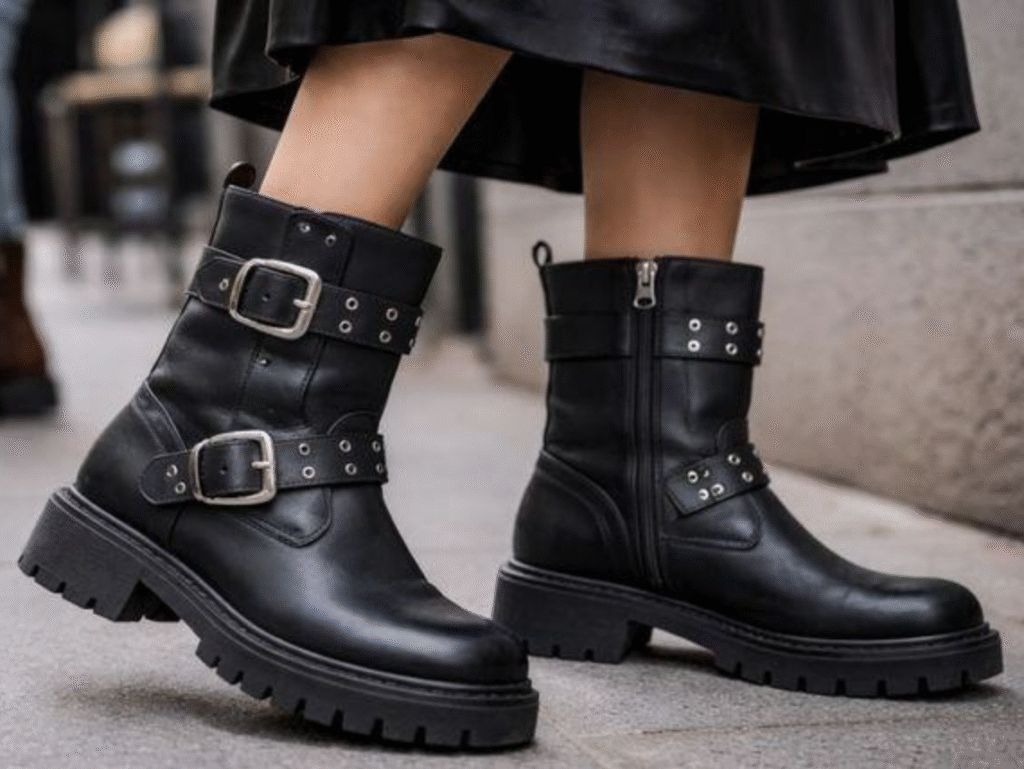
Biker boots bring a sense of strength and attitude to the Fall/Winter 2026 footwear landscape. Traditionally associated with motorcycle-inspired design, the style is recognized for its substantial construction, sturdy appearance, and functional detailing.
For the new season, designers are exploring different interpretations of the classic silhouette. Some lean into a worn-in, relaxed appearance, while others introduce cleaner leather finishes and more polished proportions.
The appeal comes from contrast. A rugged boot can give a softer outfit a stronger visual foundation, while a more refined version can bring character to everyday dressing.
Key design characteristics:
- Buckles, straps, and metal hardware
- Substantial soles
- Rounded or softly squared toe shapes
- Structured or relaxed leather shafts
- Distressed, polished, or vintage-inspired finishes
What Makes a Biker Boot Work?
The visual identity of a biker boot depends on how its individual elements come together. Hardware placement, shaft proportions, upper construction, and sole design all contribute to the final appearance.
For footwear developers, these details need to be considered together. A heavier-looking sole may require adjustments to the upper proportions, while multiple straps and buckles introduce additional considerations for pattern development and assembly.
The goal is to preserve the rugged character without making the overall design visually unbalanced.
2. Sock Boots: A Sleeker Approach to Winter Footwear
At the opposite end of the spectrum, sock boots bring a more streamlined silhouette to the season.
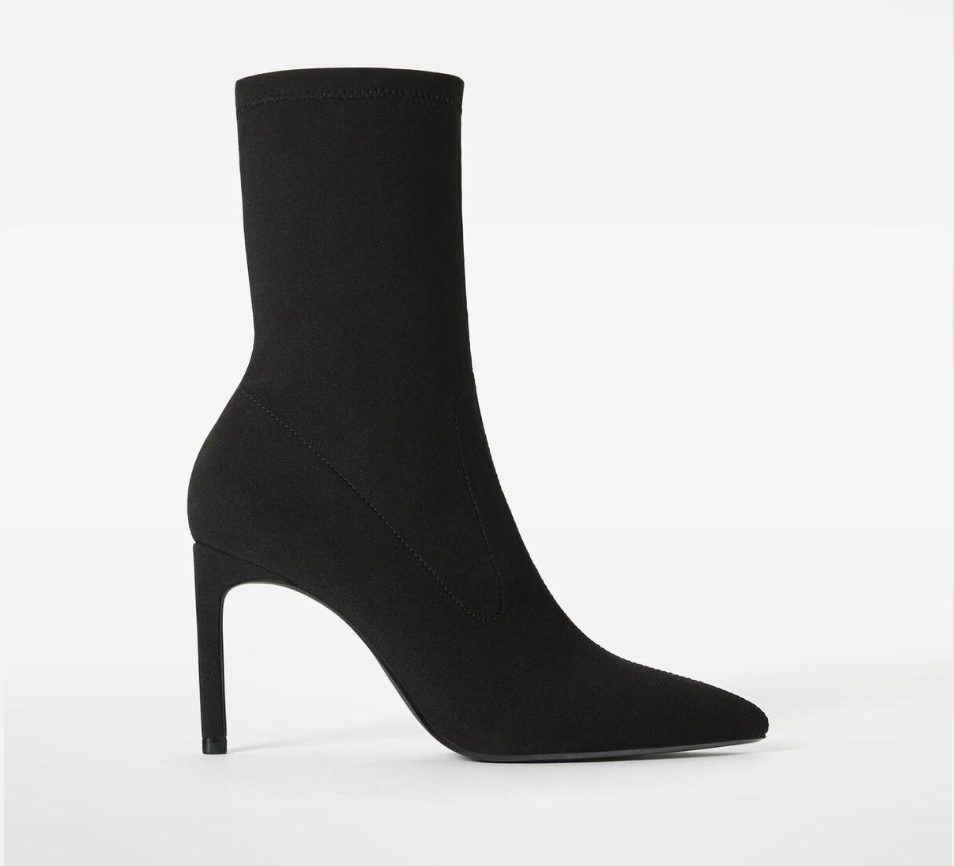
Their defining feature is a close-fitting shaft that follows the shape of the leg. Compared with traditional boots with wider openings, sock boots create a cleaner, more continuous line from the foot to the calf.
This makes them particularly versatile. They can sit neatly beneath trousers, complement skirts and dresses, or create a refined profile with tailored clothing.
For Fall/Winter 2026, designers are exploring both flat and heeled interpretations, with pointed toes and minimal detailing reinforcing the streamlined appearance.
Key design characteristics:
- Close-fitting shafts
- Stretch or supple upper materials
- Minimal external detailing
- Pointed or softly tapered toes
- Flat, low, or slender heels
The Technical Challenge Behind a Close Fit
A sock boot may appear simple, but its development requires careful attention to fit and material behavior.
The shaft needs to follow the leg without creating excessive pressure or unwanted folds. Material stretch, lining, opening construction, and the relationship between the foot and shaft all influence the final fit.
The last is also important. It establishes the shape and proportions of the foot section, while the upper pattern and shaft construction determine how the boot transitions around the ankle and calf.
For brands developing a sock boot, sampling is particularly valuable. It allows the fit, silhouette, material response, and overall proportions to be evaluated before moving toward production.
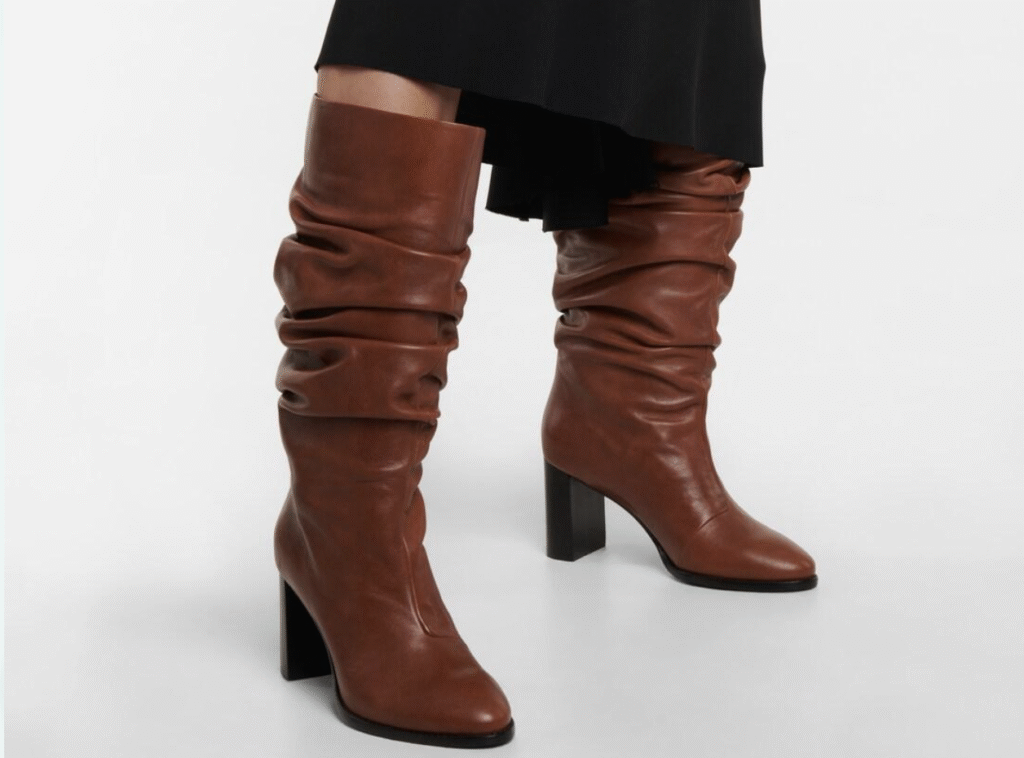
3. Slouchy Boots: The Beauty of Relaxed Proportions
Slouchy boots introduce movement and softness into winter footwear.
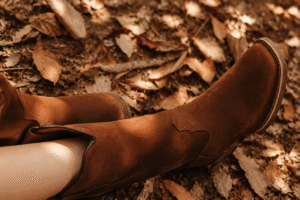
Unlike boots designed to maintain a rigid, upright shaft, these styles are characterized by natural folds and a relaxed fit around the leg. The material itself becomes part of the design.
For Fall/Winter 2026, this familiar silhouette is being revisited through updated proportions and more refined material choices. Soft leather and suede can create different effects, from understated elegance to a more expressive, vintage-inspired look.
Key design characteristics:
- Relaxed shaft construction
- Natural folds around the ankle and calf
- Soft leather or suede
- Knee-high and ankle-height options
- Minimalist or pointed-toe designs
Why Material Selection Matters
Material choice is central to the success of a slouchy boot.
A material that is too stiff may resist the intended folds, while one that is too soft may struggle to maintain the desired overall shape. Thickness, flexibility, surface finish, and lining all influence how the shaft behaves.
Pattern design also matters. The amount of ease built into the shaft, its circumference, and the placement of seams can change how the material gathers.
For designers, the challenge is creating a relaxed appearance that still feels intentional and well proportioned.
4. Animal-Print Boots: Making Classic Shapes More Expressive
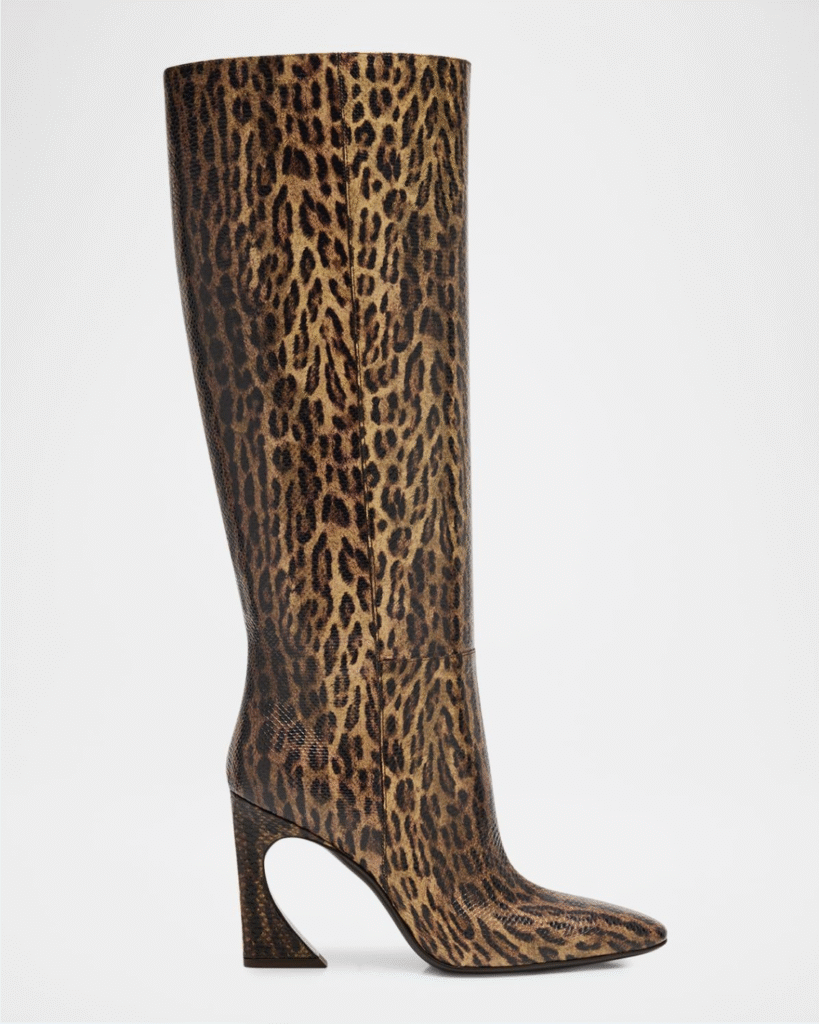
Animal prints are bringing a more expressive surface treatment to Fall/Winter 2026 boots.
Snakeskin, leopard, and other animal-inspired patterns are appearing across different silhouettes, from ankle boots to knee-high designs. The result is a way to make a familiar boot shape feel more distinctive without completely changing its construction.
This direction also gives brands more room to explore material and finish.
A simple boot can take on a different identity through a textured surface, while a more dramatic silhouette can be balanced with a relatively restrained color palette.
Key design characteristics:
- Snakeskin-inspired textures
- Leopard patterns
- Printed or embossed leather
- Natural and unconventional color combinations
- Patterned panels and contrasting finishes
Turning a Surface Idea into a Finished Product
Printed and textured materials require attention during the development process.
Pattern scale, visual alignment, cutting direction, and panel placement can all affect the appearance of the finished boot. This becomes particularly important when a design includes multiple sections or a prominent front panel.
For independent brands, material selection should therefore happen alongside pattern development rather than as a final decorative decision.
5. Streamlined and Minimalist Boots: Less Volume, More Precision
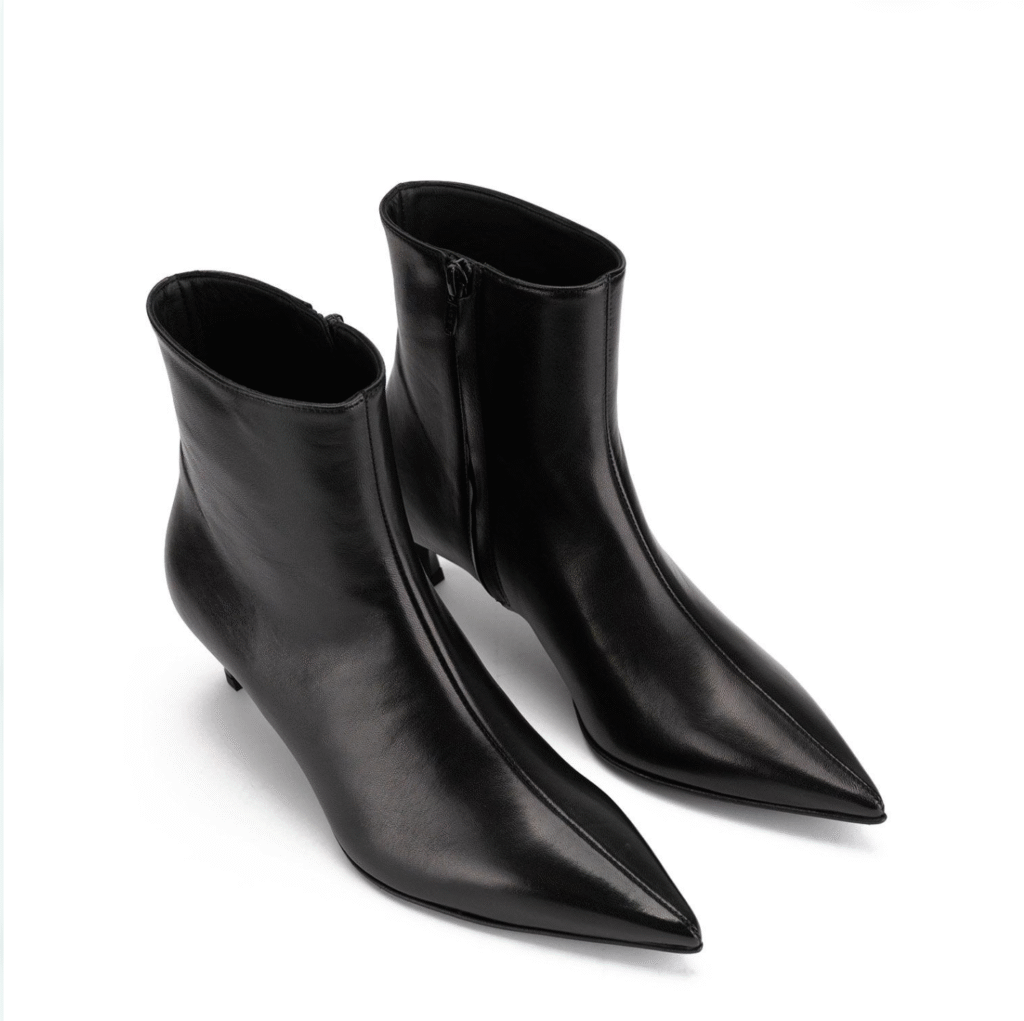
After several seasons in which chunky footwear played a major role in fashion, more streamlined boot shapes are gaining attention.
This direction includes close-fitting shafts, cleaner uppers, flatter soles, and more understated details. Rather than relying on heavy construction or visible decoration, the design focuses on proportion and silhouette.
The result is footwear that feels modern without being overly complicated.
Key design characteristics:
- Narrower shaft proportions
- Clean upper patterns
- Minimal hardware
- Flat or low-profile soles
- Subtle heel shapes and refined toe profiles
Why Simplicity Requires Careful Development
Minimalist footwear leaves fewer places to hide inconsistencies. The proportions of the toe, the transition between the upper and sole, the shaft line, and the finishing quality become especially visible.
For brands developing this category, attention to pattern accuracy, material quality, and construction details is essential.
A simple silhouette can still have a strong identity when its proportions and finishing are carefully considered.
How Are Fall/Winter 2026 Boot Trends Changing Footwear Design?
The five directions above reveal an interesting contrast in contemporary boot design.
Biker boots emphasize structure, hardware, and rugged character. Sock boots focus on fit and a streamlined outline. Slouchy boots explore softness and movement, while animal-print boots use surface expression to refresh familiar shapes. Minimalist boots, meanwhile, show how proportion and finishing can become the main design features.
These styles may look very different, but they share one important principle: the details of construction are central to the final design.
A change in shaft shape can transform the character of a boot. A different material can affect how it fits and falls. A new sole or heel can alter the balance of the entire silhouette.
For independent footwear brands, understanding these relationships is essential when turning runway inspiration into a product that can be developed and manufactured.
From Boot Design to Manufacturing: What Brands Need to Consider
Developing a boot involves more than designing the visible upper. The foot shape, shaft construction, material selection, sole, heel, and finishing all need to work together.
Depending on the design, the development process may involve:
1. Last Development
The last establishes the fundamental shape of the foot section. Toe shape, heel height, instep volume, and overall proportions all influence the final fit and appearance.
2. Upper Pattern Development
The upper pattern determines how the material is cut and assembled. For boots, this includes the relationship between the foot section, ankle, and shaft.
3. Material Selection
Leather, suede, stretch materials, and textured surfaces behave differently. Their flexibility, thickness, and structure need to suit the intended silhouette.
4. Sole and Heel Development
The sole and heel contribute to both the visual identity and functional performance of the boot. Their proportions should complement the upper rather than compete with it.
5. Sample Prototyping and Refinement
Sampling allows designers to assess fit, construction, proportions, and material behavior. Adjustments can then be made before the design moves further into production.
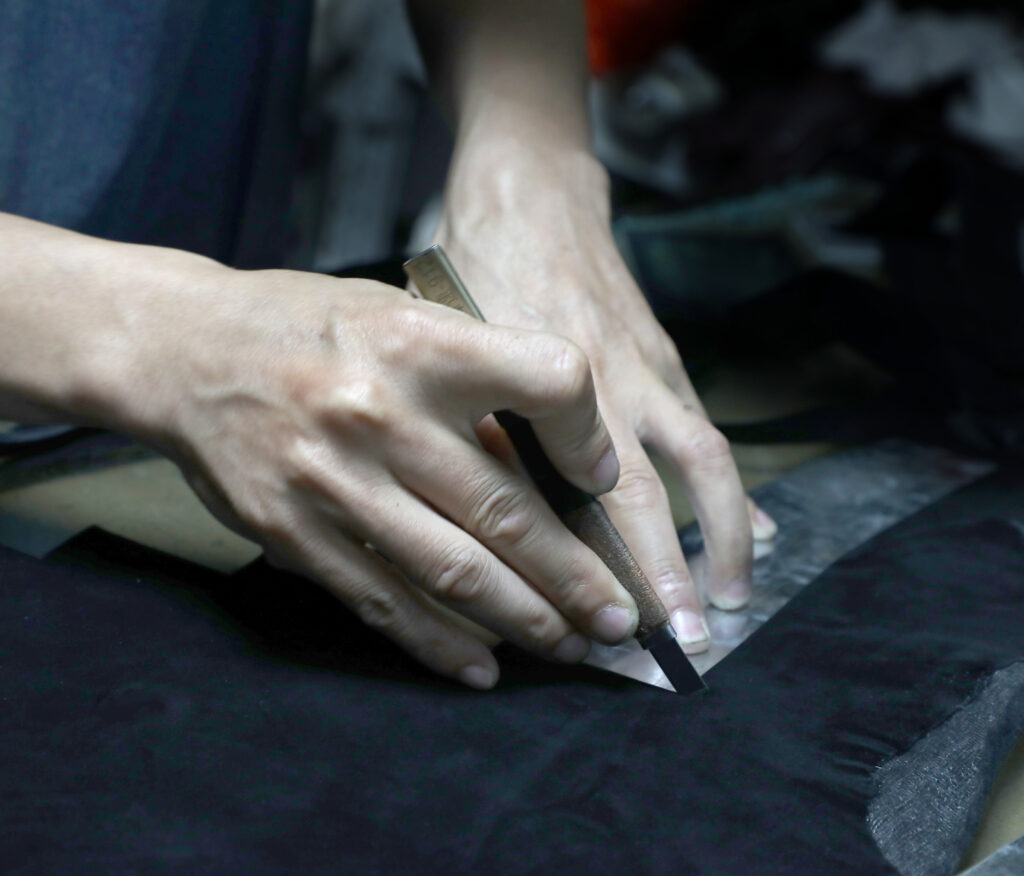
At K.SHOES, footwear development can bring these elements together through custom last and mould development, 3D modelling, sample prototyping, hand-lasted craftsmanship, and footwear manufacturing.
For brands developing a new boot collection, the right development partner can help bridge the gap between a creative concept and a production-ready design.
The Future of Classic Boots Is in the Details
Fall/Winter 2026 demonstrates that classic boots do not need to be completely reinvented to feel new.
Biker boots gain fresh character through proportion and hardware. Sock boots bring attention back to fit and silhouette. Slouchy boots make material behavior part of the design, while animal prints and minimalist finishes offer different ways to reinterpret familiar shapes.
For footwear brands, the opportunity is not simply to follow a trend. It is to understand the design elements behind it and translate them into products with a clear identity.
The strongest footwear concepts combine creative direction with thoughtful development, material knowledge, and precise craftsmanship.
Planning your next boot collection? Connect with K.SHOES to explore footwear development, sampling, and manufacturing possibilities.
Frequently Asked Questions
What are the biggest boot trends for Fall/Winter 2026?
Biker boots, sock boots, slouchy boots, animal-print boots, and streamlined minimalist styles are among the key directions highlighted in recent Fall/Winter 2026 fashion coverage.
Are biker boots still in style in 2026?
Yes. Biker boots continue to appear in Fall/Winter 2026 trend coverage, with designers exploring both rugged, hardware-focused interpretations and more polished variations.
What is a sock boot?
A sock boot is a style with a close-fitting shaft that follows the shape of the leg. It is often made with supple or stretch materials and can feature flat, low, or heeled soles.
What materials work well for slouchy boots?
Soft leather and suede are common options because their flexibility can help create a relaxed shaft. The best material depends on the intended shape, degree of drape, support, and overall design.
What should brands consider when developing a boot collection?
Brands should consider last design, upper patterns, shaft proportions, material behavior, sole and heel construction, fit, sampling, and finishing. These elements need to be developed together to achieve a consistent final product.