
When Shoes Become the Main Attraction
For Spring/Summer 2027, footwear is stepping into the spotlight.
Across the latest runway collections, shoes are no longer simply finishing touches. Designers are experimenting with bold embellishments, distinctive silhouettes, unexpected textures and expressive details that give footwear a stronger visual identity.
From crystal-adorned heels to soft lace-up flats, the season presents two seemingly contrasting directions: understated shapes with refined construction, and statement designs made to attract attention.
For independent designers and emerging footwear brands, these developments offer more than seasonal inspiration. They create opportunities to explore new materials, construction techniques and product identities.
Here are six footwear directions worth watching for Spring/Summer 2027.
1. Embellished Shoes: More Is More
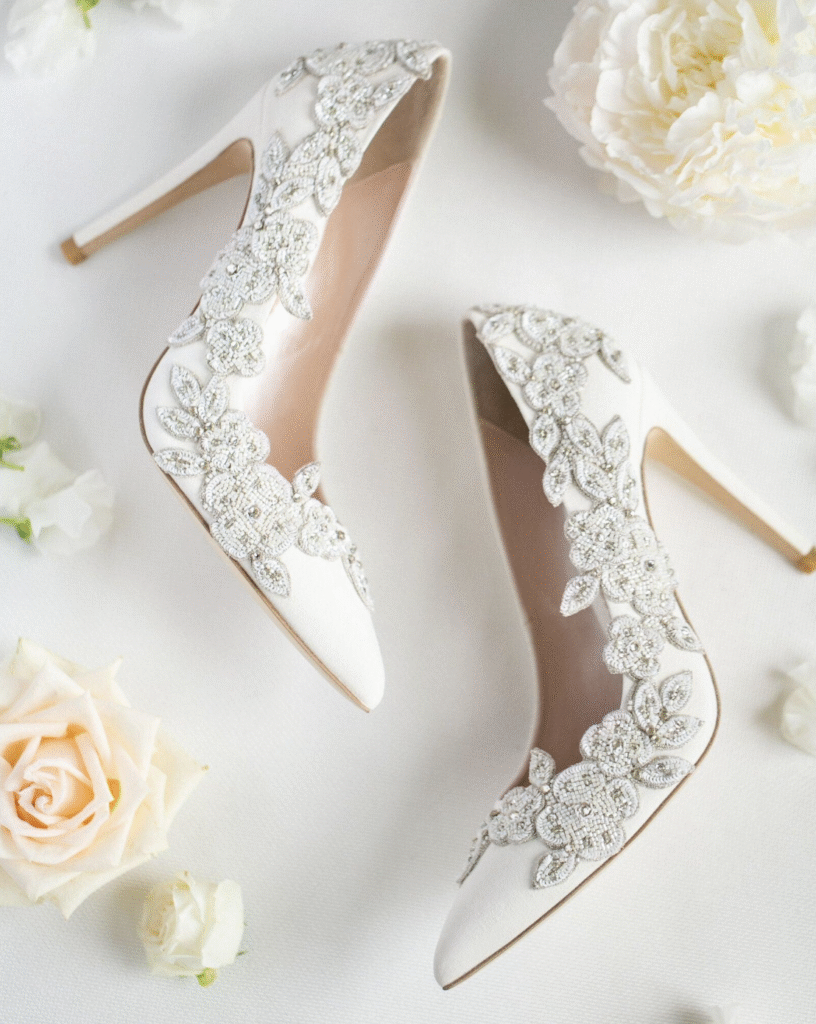
One of the clearest directions for SS27 is the return of decorative footwear.
Runway designs feature crystal embellishments, jeweled details, beads, floral appliqués and playful accessories. Designers including Saint Laurent, Dries Van Noten and Loewe have explored different ways to make shoes visually distinctive.
Rather than relying entirely on silhouette, these designs use surface details to create personality.
Design considerations:
- Combine different textures, materials and decorative elements.
- Consider how embellishments are attached to different upper materials.
- Balance visual impact with comfort and wearability.
- Ensure decorative components remain secure during use.
For footwear brands, embellishment offers an opportunity to transform a relatively simple shoe shape into a recognizable design.
However, intricate decoration also requires careful sampling and production control. The positioning, attachment and finishing of each detail can significantly influence the final result.
2. Bows and Floral Details: A More Expressive Approach
Romantic details continue to evolve beyond traditional feminine footwear.
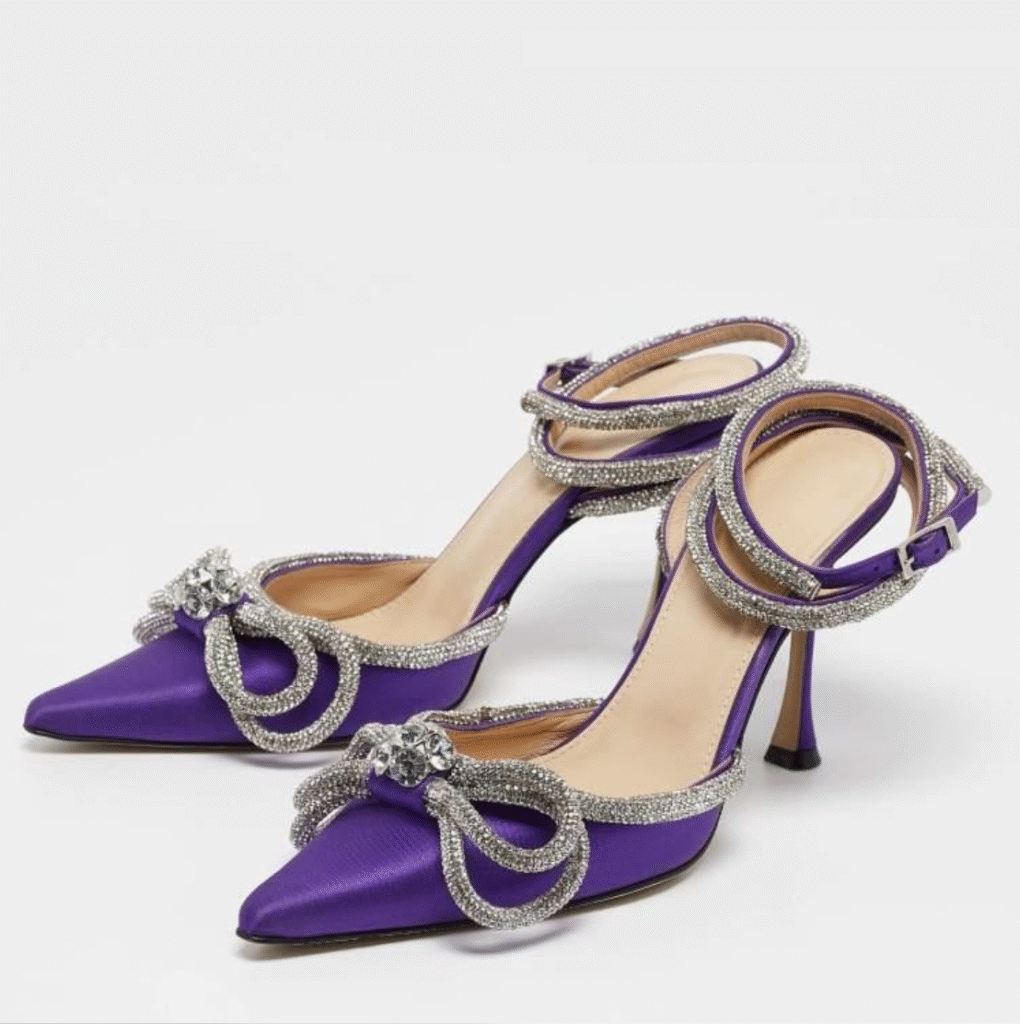
Bows, rosettes and floral decorations appear across different shoe categories, including pumps, sandals and flats. Some designs use delicate decorative elements, while others make them the central feature of the shoe.
The appeal lies in contrast: a familiar shoe silhouette can take on a completely different character through a single carefully designed detail.
Design considerations:
- Explore different bow proportions and placements.
- Experiment with satin, leather, organza and other suitable materials.
- Consider hand-finished floral appliqués and dimensional decorations.
- Test the balance and durability of larger decorative components.
For designers, the challenge is to make decorative elements feel intentional rather than simply added onto the shoe.
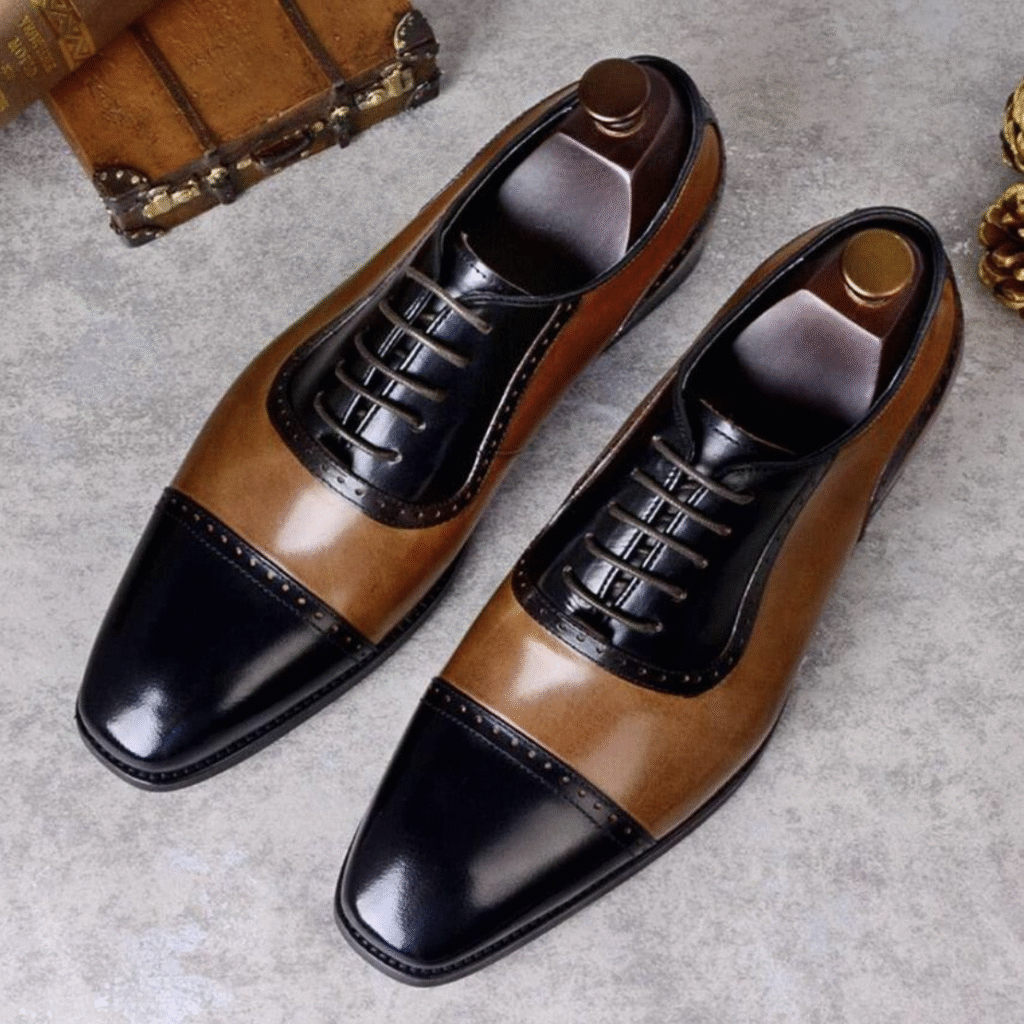
3. Contrasting Cap-Toe Designs: Classic Shapes, Modern Details
The contrasting cap toe is another recognizable direction in the SS27 collections.
By combining different colours, textures or materials at the toe, designers can give familiar silhouettes a fresh identity.
This detail works particularly well on pumps, slingbacks, flats and other classic footwear styles.
It is also a practical design opportunity. A relatively small material change can create a noticeable visual difference without requiring an entirely new shoe structure.
Design considerations:
- Choose materials with compatible thicknesses and flexibility.
- Pay attention to the alignment of the cap-toe panel.
- Ensure clean transitions between different materials.
- Consider contrast in colour, texture or finish.
For brands developing a footwear collection, cap-toe variations can provide multiple design options based on an established silhouette.
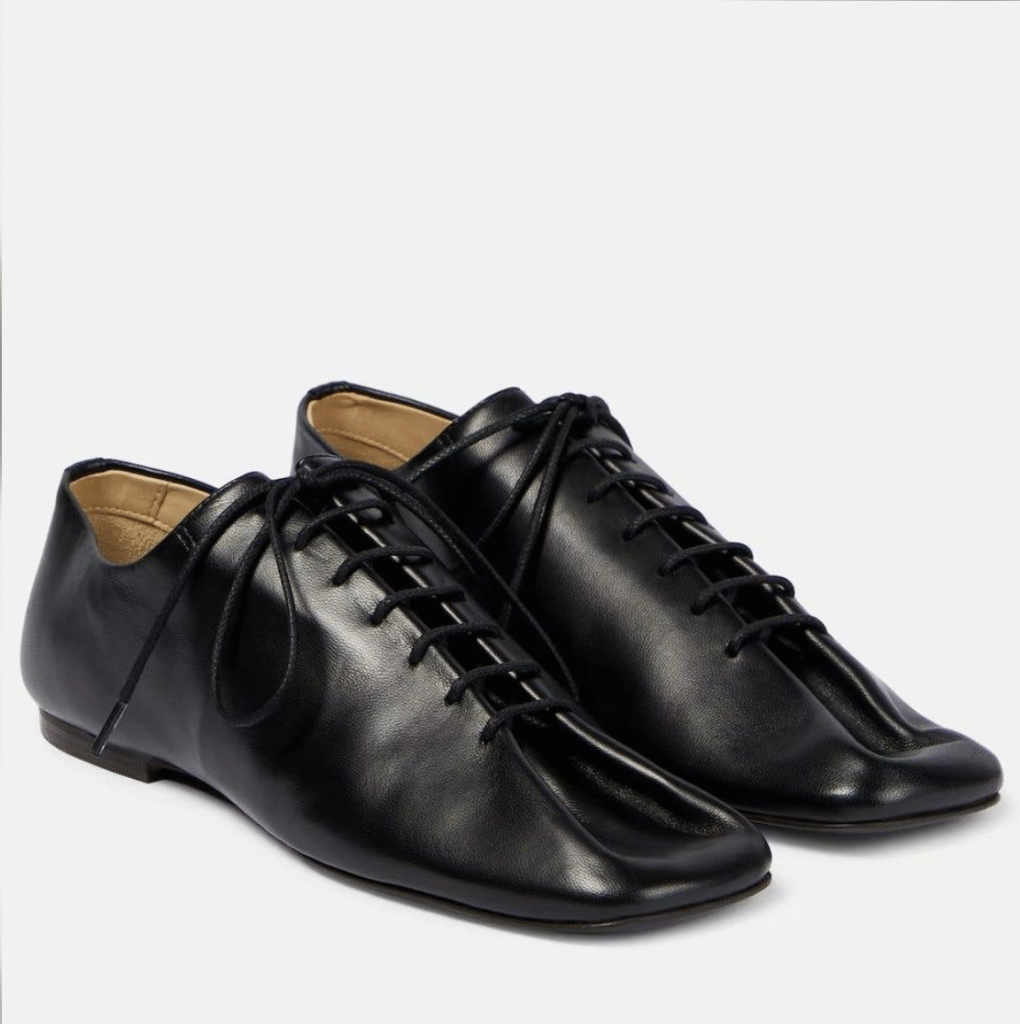
4. Jazz Shoes and Lace-Up Flats: The Return of Soft Footwear
Not every SS27 trend is about making a bold statement.
Soft lace-up shoes, jazz-inspired flats, derbies and Oxford-style footwear are also gaining attention. These designs bring a more relaxed and understated aesthetic to contemporary footwear.
Their appeal comes from their versatility, lightweight appearance and connection to traditional dance and menswear-inspired shoe styles.
The challenge for footwear designers is to combine a soft visual character with sufficient support and structure.
Design considerations:
- Select flexible upper materials that maintain their shape.
- Explore different lace placements and fastening systems.
- Consider outsole flexibility and construction.
- Pay attention to fit, foot movement and overall comfort.
This direction creates opportunities for brands interested in developing lightweight footwear that feels both refined and practical.
5. Textured Finishes: Making Materials the Focal Point
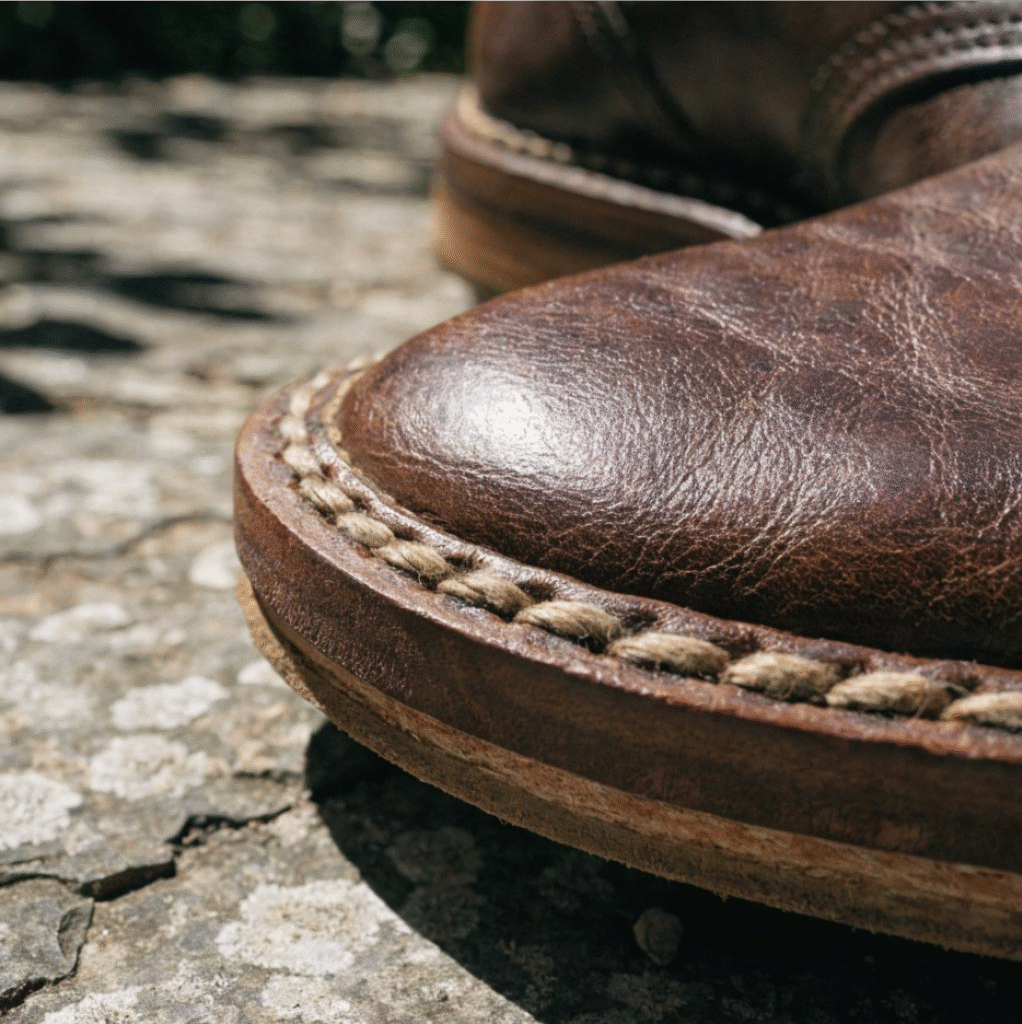
Material selection plays an important role in the SS27 footwear direction.
Croc-effect finishes, snakeskin-inspired textures, embossed surfaces and other tactile treatments bring depth to otherwise familiar designs.
Instead of relying on complicated shapes, designers can use material finishes to create visual interest.
This approach also highlights the importance of material development during the footwear sampling process.
Design considerations:
- Explore embossed and textured leather options.
- Combine contrasting surface finishes.
- Test how materials behave around curved shoe components.
- Evaluate the consistency of colour and texture across production.
A carefully selected material can become one of the defining features of a footwear collection.
6. Sculptural and Metallic Details: Footwear with a Strong Identity
Statement heels and metallic finishes continue to push footwear design into more experimental territory.
Across recent collections, designers have explored distinctive heel shapes, reflective surfaces, metallic tones and unexpected proportions.
These details can turn a familiar pump or sandal into a recognizable statement piece.
However, experimental design requires more than visual creativity. The relationship between appearance, stability and construction is particularly important when developing unusual heel shapes.
Design considerations:
- Evaluate heel proportions and balance.
- Consider the materials and construction required for distinctive heel designs.
- Test the stability of new shapes during sample development.
- Explore metallic finishes and decorative components.
For brands looking to establish a stronger visual identity, these details can help create footwear that stands apart from conventional designs.

What Do These Trends Mean for Footwear Designers?
The SS27 footwear direction demonstrates that creativity and construction need to work together.
A visually interesting design must also be translated into a product that can be sampled, adjusted and manufactured consistently.
For emerging brands, this means considering several factors early in the development process:
1. Material feasibility
Not every material or decorative component is suitable for every shoe construction. Material selection should take into account flexibility, durability, appearance and production requirements.
2. Sample development
Unusual shapes, embellishments and material combinations often require additional sampling and adjustments before the final design is approved.
3. Construction quality
Details such as stitching, panel alignment, finishing and component attachment contribute significantly to the final appearance of a shoe.
4. Production planning
A design that looks simple may involve complex construction. Understanding manufacturing requirements early can help brands make more informed decisions about their collections.
Turning Design Inspiration into a Finished Product
At K.SHOES, we understand that every footwear concept requires a balance between design vision and manufacturing feasibility.
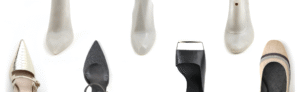
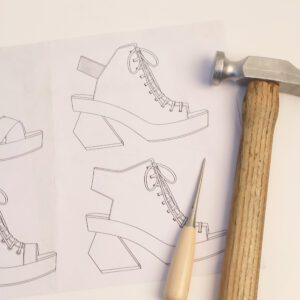
Our footwear development capabilities include custom last and mould development, 3D modelling, sample prototyping and hand-lasted craftsmanship.
Whether a brand is exploring decorative footwear, experimenting with new silhouettes or developing a distinctive shoe collection, the development process starts with understanding the design requirements and translating them into practical production solutions.
Have a footwear concept in mind?
Contact K.SHOES to discuss your footwear development and manufacturing requirements.
Frequently Asked Questions
What are the biggest Spring/Summer 2027 shoe trends?
Key directions include embellished footwear, bows and floral details, contrasting cap toes, jazz shoes, textured finishes and sculptural or metallic designs.
Are statement shoes still relevant for independent footwear brands?
Yes. Distinctive details can help independent brands develop a recognizable design identity. The key is to balance visual creativity with wearability and production feasibility.
What should designers consider when developing embellished shoes?
Designers should consider material compatibility, attachment methods, component placement, durability and the additional requirements of sample development.
Can a footwear manufacturer help develop custom shoe designs?
A footwear development partner can help translate design concepts into samples through processes such as material selection, last development, prototyping and construction adjustments.