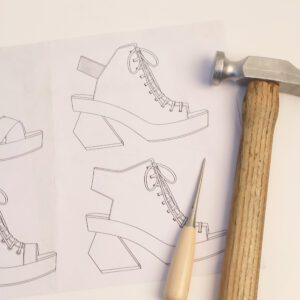

Luxury footwear has always been associated with craftsmanship, premium materials, and attention to detail.
But behind every carefully constructed pair of shoes is something that receives far less attention: the supply chain that makes the product possible.
Where do the materials come from? How reliable are the suppliers? What happens when environmental conditions disrupt production? And how can independent fashion brands protect the quality and continuity of their collections?
These questions are becoming increasingly important across the luxury industry.
A recent initiative by luxury group Kering offers an interesting perspective on why manufacturing resilience deserves a place in the conversation about the future of fashion.
A New Development in Luxury: Kering’s Water Resilience Lab
On November 2, 2026, Kering announced the launch of its first Water Resilience Lab in Italy’s Arno Basin, working alongside Conservation International and Etifor.
The initiative focuses on addressing water-related risks through collaboration between businesses, public institutions, researchers, and other regional stakeholders.
Its objective is to strengthen the resilience of the Arno Basin against challenges including water scarcity, drought, flooding, and pollution.
Why is this relevant to luxury fashion?
Because important manufacturing regions are not isolated from their natural environments. The materials, suppliers, production facilities, and communities that support luxury goods all depend on functioning local ecosystems.
The Arno Basin is particularly significant because it includes important Italian manufacturing districts and businesses connected to craftsmanship and fashion production.
The initiative is also part of Kering’s wider water strategy, which includes ambitions for net water-positive outcomes by 2050 and measured positive water impacts across ten priority basins by 2035.
This is not simply an environmental announcement. It highlights a broader business question: how can the fashion industry protect the conditions that allow its supply chains to operate?
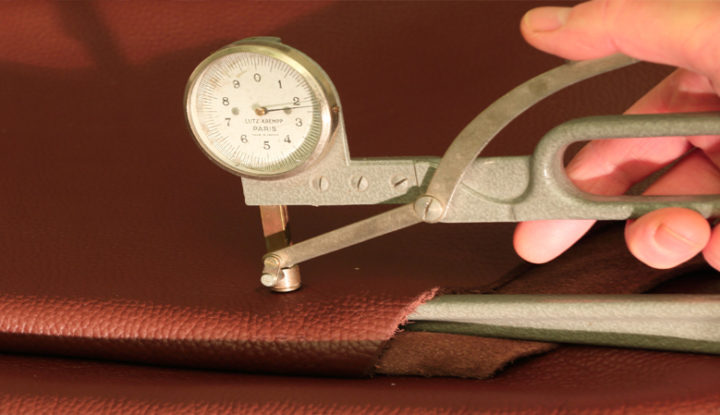
1. Why Environmental Risks Can Become Manufacturing Risks
One of the most important lessons from the Arno Basin initiative is that manufacturing resilience cannot always be achieved at the factory level.
A company may have well-organized internal operations, experienced employees, and reliable equipment. Yet external events can still interrupt production.
Vogue Business reported an example involving Italian supplier Beste Group.
Following severe flooding in Tuscany in 2023, the company’s production was disrupted for three weeks. A recently purchased machine, valued at approximately €7 million, was also destroyed.
The incident demonstrates how environmental events can affect production equipment, delivery schedules, supplier operations, and financial stability.
For footwear manufacturers, these risks are worth considering because the development of a finished shoe can involve several interconnected stages:
- Leather and textile sourcing.
- Material preparation and processing.
- Sole and heel component production.
- Upper construction and assembly.
- Finishing and quality inspection.
- Packaging and delivery.
An interruption at one stage can affect the entire production process.
The key takeaway: Manufacturing reliability depends not only on what happens inside a factory, but also on the stability of the wider network supporting it.
2. The Hidden Complexity Behind Leather Footwear Production
Leather footwear is a good example of why supply chain resilience matters.
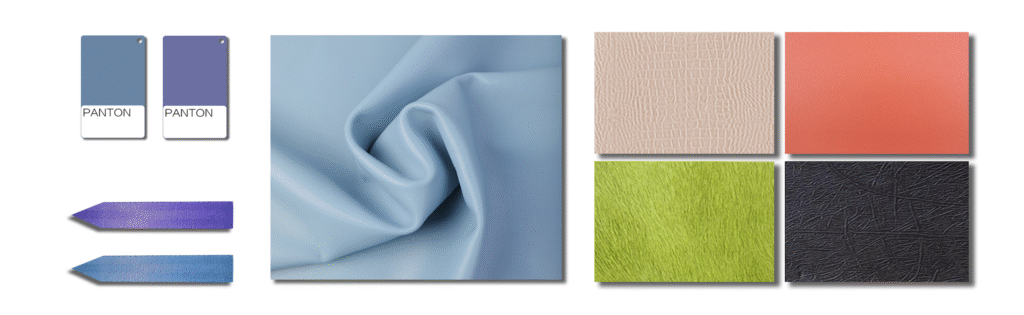
A finished leather shoe may appear to be a relatively simple product, but its development depends on multiple materials and specialized processes.
Different leather types offer different characteristics in terms of flexibility, thickness, texture, and surface appearance.
Additional components, such as lining materials, insoles, outsoles, heels, and hardware, must also work together.
Water is relevant to several parts of this wider material system.
As Vogue Business noted in its reporting on Kering’s initiative, water is important not only for growing natural raw materials but also for subsequent processes such as washing, dyeing, and tanning.
This creates a broader consideration for fashion businesses.
The environmental conditions surrounding a manufacturing region can influence the availability and reliability of materials and services that suppliers depend on.
For footwear designers, this makes material sourcing and supplier evaluation important parts of the product development process.
3. Why Supplier Networks Matter More Than Ever
A footwear collection is rarely developed through one isolated production activity.
Even when a manufacturer manages the main assembly process, different components and materials may involve specialized suppliers.
This creates a network of dependencies.
For example, a delay in receiving a particular outsole or custom heel component may affect the completion of an entire shoe style.
The challenge becomes even more complex when a collection includes unusual materials, specialized finishes, or custom-developed components.
For emerging fashion brands, supplier selection should therefore involve more than comparing quotations.
Here are four important areas to evaluate.
Material and Component Reliability
Are the required materials and components consistently available?
Can suppliers provide appropriate material specifications and maintain consistency across development samples and production orders?
Production Communication
Can the manufacturer communicate clearly about technical requirements, development progress, and potential production issues?
Effective communication is especially important when designers and manufacturing teams operate in different countries.
Product Development Capabilities
Can the manufacturing partner support the development of custom lasts, molds, prototypes, and specialized footwear constructions?
This matters when the design requires more than adapting an existing shoe shape.
Quality Control
Are materials, construction details, finishing, and completed products evaluated against clearly defined quality expectations?
Consistency is essential for brands that want their products to maintain a recognizable standard.
These considerations help fashion brands build more informed manufacturing partnerships.

4. Small-Batch Production and the Need for Greater Flexibility
Another important consideration for independent footwear brands is production flexibility.
Large production commitments may not always be suitable for emerging labels, especially when a new design has not yet established its market demand.
Small-batch development can offer a different approach.
Instead of immediately committing to extensive inventory, brands can focus on refining designs, evaluating product response, and planning production around more realistic business requirements.
However, smaller production quantities still require careful technical planning.
A complex shoe design may require custom lasts, molds, material testing, and several rounds of sample development regardless of the final order quantity.
This is why the relationship between design development and manufacturing capability is so important.
For emerging brands, a manufacturing partner that understands both product development and production planning can help make the process more manageable.
5. Craftsmanship and Technology Should Work Together
Luxury footwear is built on craftsmanship, but traditional techniques do not have to exist separately from modern development tools.
The combination of experienced craftsmanship and appropriate technology can help designers explore more complex concepts while maintaining attention to construction quality.
For example:
- 3D modeling can support the exploration of shoe shapes and proportions.
- Custom last development helps translate a design concept into an appropriate footwear form.
- Prototype development allows teams to assess construction, fit, and appearance.
- Hand-lasted techniques provide an important approach to shaping and constructing certain types of footwear.
The value of these methods lies in how they are applied to the specific product.
Technology should support the design and development process, while craftsmanship helps ensure that important details are properly executed.
For luxury footwear brands, this balance can be particularly valuable when developing distinctive silhouettes and more technically demanding designs.
6. What Should Emerging Footwear Brands Look for in a Manufacturing Partner?
Choosing a footwear manufacturer is an important decision that can influence the development and long-term direction of a brand.
Beyond price and production capacity, designers should consider the following questions:
1. Can the manufacturer understand my design requirements?
A good development partner should be able to discuss materials, construction, proportions, and technical limitations.
2. Can they support sample development?
The ability to develop and refine prototypes is important when turning a concept into a finished product.
3. Do they have experience with my type of footwear?
Different footwear categories involve different construction requirements. Experience with the relevant product type can make communication and development more efficient.
4. Can they accommodate my production needs?
Order quantities, timelines, component sourcing, and production planning should be discussed clearly before a project begins.
5. How do they approach quality consistency?
Brands should understand how samples are evaluated and how agreed specifications are maintained during production.
These questions can help designers move beyond a simple price comparison and evaluate the broader value of a manufacturing relationship.
Building Better Footwear Starts with Better Partnerships
The launch of Kering’s Water Resilience Lab offers an important reminder: the future of luxury manufacturing depends on more than craftsmanship alone.
Reliable materials, strong supplier relationships, technical development capabilities, and responsible resource management all contribute to a more resilient fashion industry.
For independent footwear designers and growing luxury labels, choosing the right manufacturing partner is therefore part of building a stronger business.
At THE K FAMILY TEAM, we believe that successful footwear development begins with understanding the designer’s vision and translating it into a carefully developed product.
Our footwear development capabilities include:
- Luxury footwear sample prototyping.
- Custom last and mold development.
- Hand-lasted footwear techniques.
- 3D modeling and product development support.
- Small-batch footwear production.
We work with designers and brands to explore footwear concepts, develop prototypes, and navigate the technical requirements of bringing a design into production.
Planning your next footwear collection?
Connect with THE K FAMILY TEAM to discuss your design, sampling, and manufacturing requirements.
Frequently Asked Questions
Why is supply chain resilience important in luxury footwear manufacturing?
Supply chain resilience helps manufacturers and fashion brands manage disruptions involving materials, suppliers, production facilities, and transportation. It supports more reliable production planning and business continuity.
How does water availability affect leather footwear manufacturing?
Water is relevant to several stages of leather processing, including washing, dyeing, and tanning. Water scarcity, flooding, and pollution can create operational and sourcing challenges for businesses connected to these processes.
What should independent footwear brands consider when choosing a manufacturer?
Important considerations include product development experience, material knowledge, sample prototyping capabilities, communication, quality control, production flexibility, and the manufacturer’s ability to understand the brand’s design requirements.
Why is sample prototyping important before footwear production?
Prototyping allows designers and manufacturers to evaluate shape, fit, materials, construction, and finishing before moving forward with production.
Can small-batch footwear manufacturing support emerging fashion brands?
Small-batch manufacturing can help emerging brands develop collections with greater flexibility and manage inventory commitments. The actual production arrangement depends on the manufacturer’s capabilities and the technical requirements of each design.
What is the Kering Water Resilience Lab?
Launched on November 2, 2026, the Kering Water Resilience Lab in Italy’s Arno Basin is a collaborative initiative involving Kering, Conservation International, and Etifor. It aims to address regional water risks through coordinated action involving businesses, public institutions, researchers, and other stakeholders.
This article draws on publicly available information about Kering’s Water Resilience Lab and offers independent commentary on its relevance to luxury footwear manufacturing and supply chain planning.
Editorial references:
- Kering, Kering Launches Its First Water Resilience Lab in the Arno Basin in Tuscany, November 2, 2026.
- Vogue Business, Inside Kering’s First Water Resilience Lab in Italy, November 2, 2026.