
Fashion trends rarely begin and end with what appears on the runway. Behind every memorable shoe silhouette lies a combination of design decisions, material choices, construction techniques, and an understanding of how people actually wear their shoes.
For Fall/Winter 2026, footwear is moving in an interesting direction. Familiar silhouettes are returning, but with more expressive proportions, unexpected textures, and distinctive structural details.
From rugged biker boots to refined kitten heels, the season demonstrates that successful footwear design is not always about inventing something entirely new. Sometimes, it is about rethinking a familiar shape and giving it a more contemporary identity.
Based on the Fall/Winter 2026 trend coverage published by Vogue on November 5, 2026, and British Vogue on November 6, six design directions offer particularly interesting opportunities for footwear designers and emerging fashion brands.
Here is what these trends mean beyond their visual appeal.
1. Biker Boots: Functionality Meets Fashion Identity
Biker boots are bringing a stronger, more rugged attitude to Fall/Winter 2026 footwear.
The appeal lies in their balance of practicality and personality. Buckles, substantial soles, structured shafts, and worn-in leather finishes give these boots a distinctive visual identity.
Rather than treating biker boots as purely functional footwear, designers are using them to create contrast with more feminine or tailored clothing.
What designers should consider
Developing a successful biker boot requires more than getting the exterior appearance right.
Important design considerations include:
- Leather selection: The material needs to support the desired silhouette while maintaining flexibility and wearability.
- Shaft construction: The boot must maintain its shape without becoming unnecessarily restrictive.
- Hardware placement: Buckles and decorative metal components should complement the overall design without interfering with movement.
- Sole construction: A substantial sole needs to balance visual weight, durability, and comfort.
For independent footwear brands, the opportunity is to create a recognizable boot silhouette without relying entirely on decorative details.
2. Sock Boots: The Importance of Fit and Material Innovation
Sock boots continue to offer a sleek alternative to traditional structured boots.
Their defining feature is a close-fitting silhouette that follows the shape of the leg. Soft leather, stretch materials, and streamlined construction help create a clean visual line.
The challenge is that the simplicity of the design leaves little room to hide imperfections.
What designers should consider
Fit becomes especially important when developing sock boots.
A successful prototype should address:
- How the upper stretches during movement.
- Whether the material retains its shape after repeated wear.
- How the boot fits around the ankle and calf.
- How the upper connects with the sole without compromising flexibility.
Material selection is particularly important here. A material that looks beautiful in a flat sample may behave very differently when constructed into a complete shoe.
For footwear developers, testing the relationship between material elasticity, pattern construction, and fit is essential.
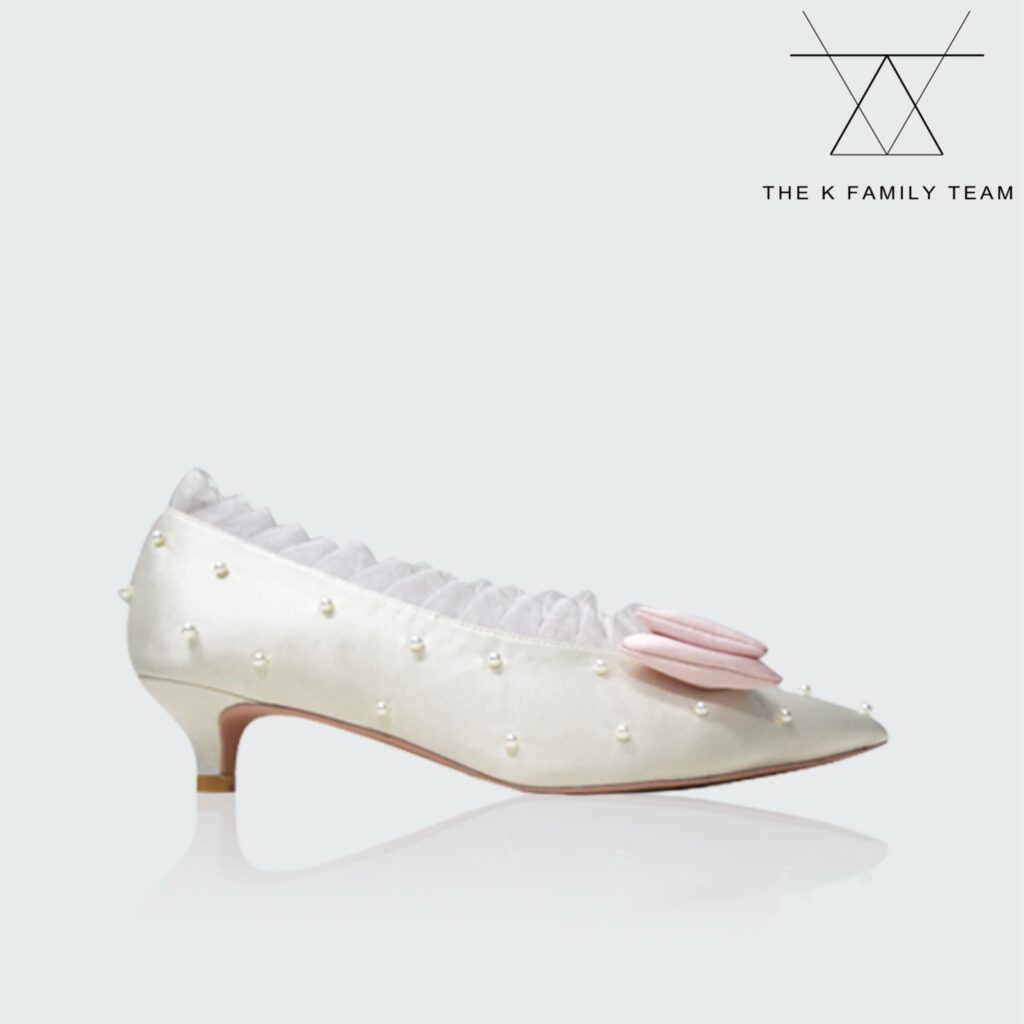
3. Kitten Heels: A New Perspective on Everyday Elegance
Kitten heels demonstrate how a relatively small design change can influence the entire character of a shoe.
With their lower heel height, these styles offer an alternative to traditional high heels while retaining a polished and feminine appearance.
For Fall/Winter 2026, designers have explored different toe shapes, embellishments, hardware, and proportions to make the silhouette feel fresh.
What designers should consider
The challenge is not simply reducing heel height.
The relationship between heel placement, sole construction, foot positioning, and overall proportions still determines how the shoe looks and feels.
Key development considerations include:
- Heel position and stability.
- Toe-box proportions.
- Footbed construction.
- Material flexibility.
- The relationship between heel design and the shoe’s overall silhouette.
For emerging luxury footwear labels, kitten heels also provide an opportunity to develop a recognizable signature shape.
4. T-Strap Shoes: Reworking a Classic Silhouette
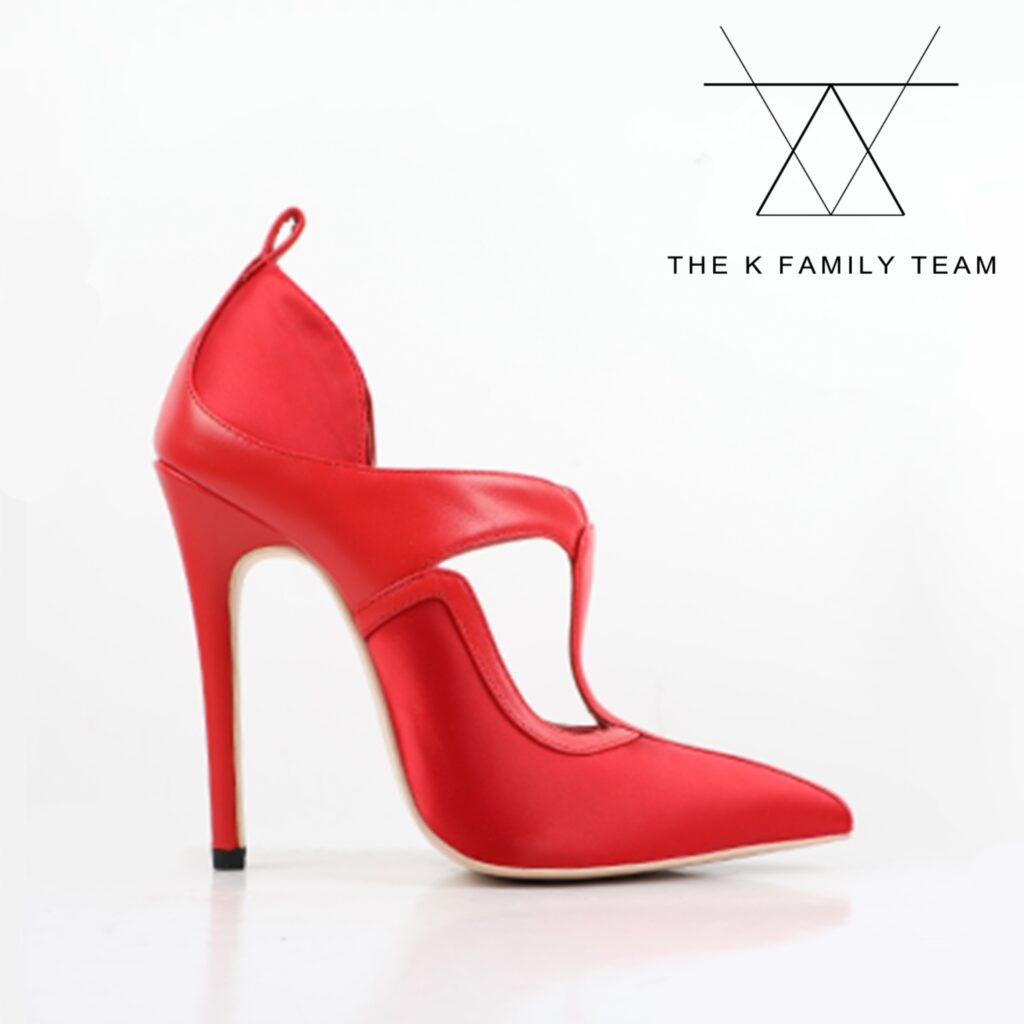
The T-strap is another classic design returning with contemporary appeal.
Its defining structure creates a visual line across the foot, while the central strap provides an opportunity for both functional and decorative design.
Designers can reinterpret the silhouette through different heel heights, toe shapes, strap widths, materials, and hardware.
What designers should consider
The most important factor is the relationship between appearance and fit.
The strap should provide sufficient support without creating uncomfortable pressure across the foot.
Other considerations include:
- Strap positioning and adjustability.
- Buckle size and weight.
- Reinforcement at attachment points.
- Upper material thickness.
- Proportions between the strap, toe shape, and heel.
A well-developed T-strap shoe can feel both familiar and distinctive, making it an interesting direction for brands looking to reinterpret classic footwear.
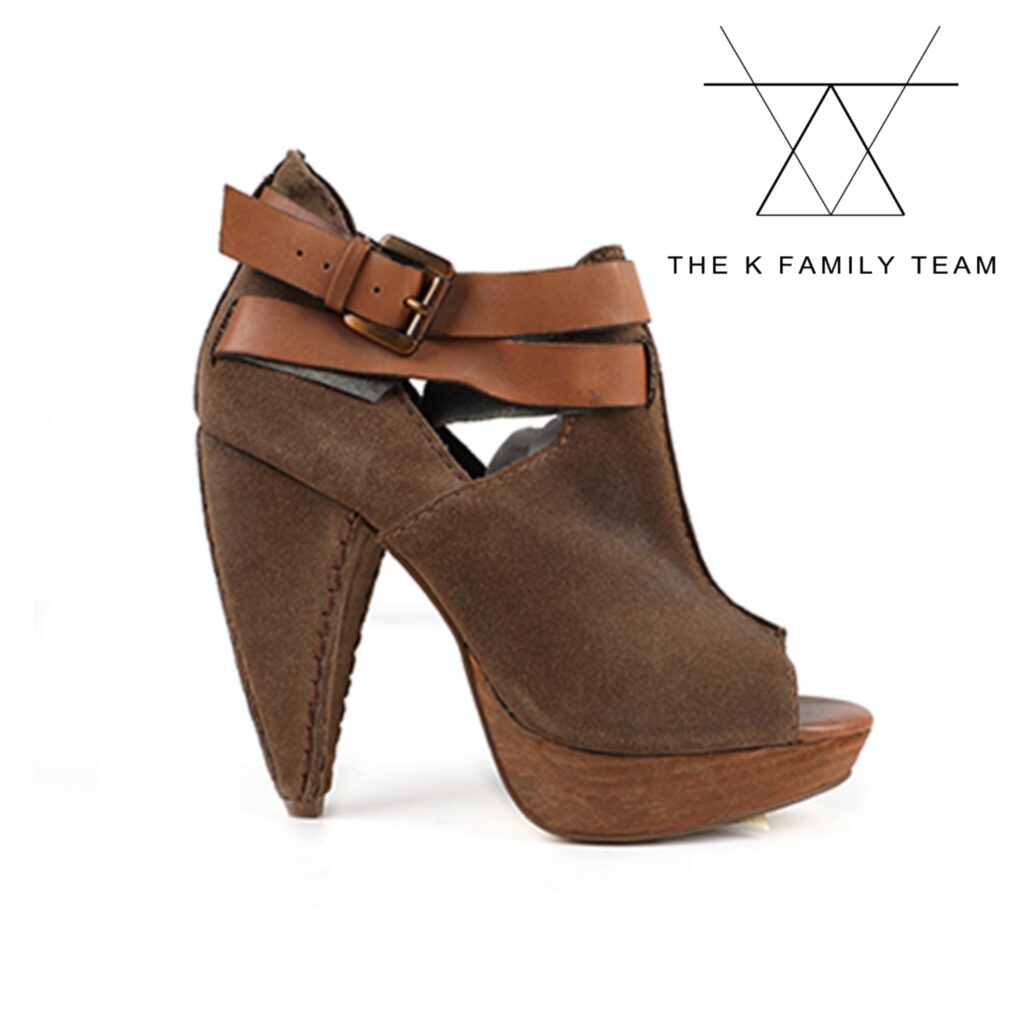
5. Cone Heels: Turning Structure into a Design Statement
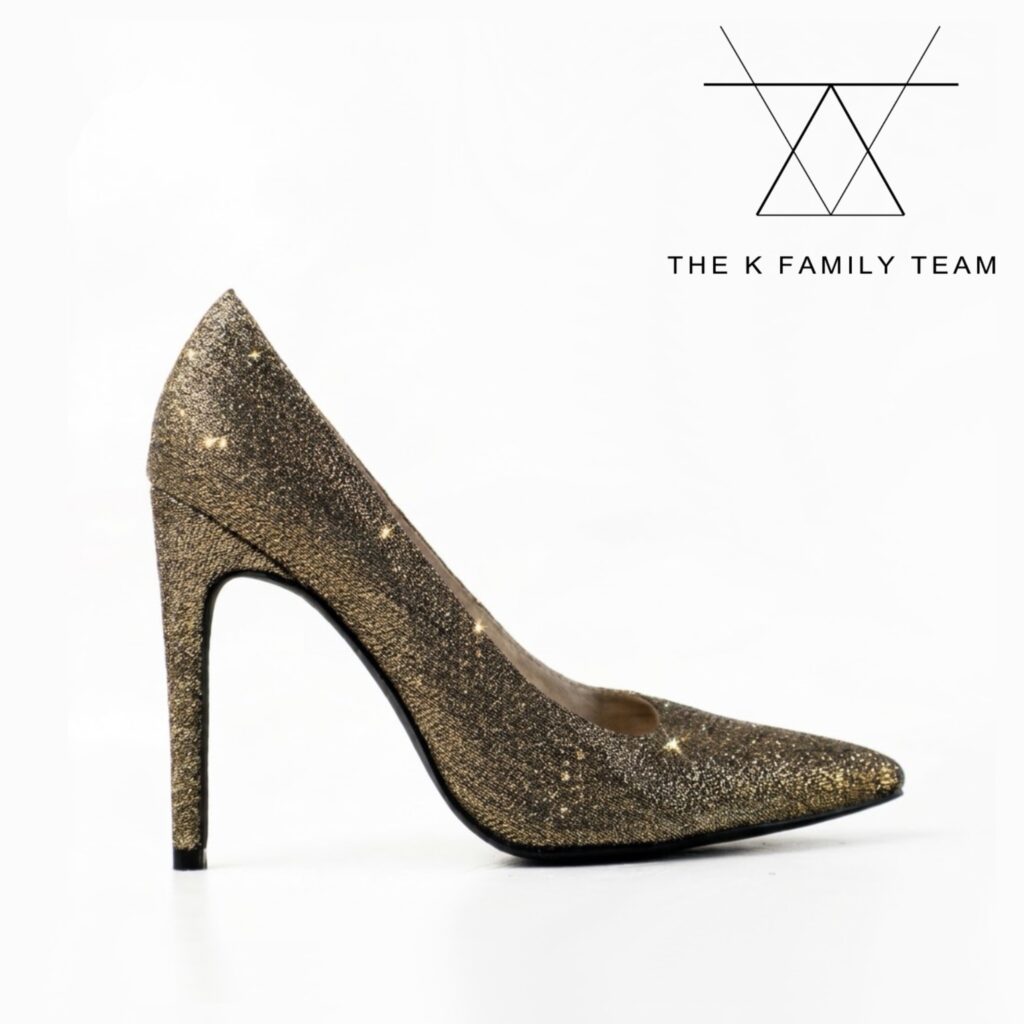
Heel design is becoming an increasingly important part of footwear identity.
The cone heel offers a more architectural alternative to conventional heel shapes. Its changing proportions create visual interest and give even a relatively simple pump or boot a distinctive character.
However, sculptural heels also introduce technical considerations that cannot be solved through appearance alone.
What designers should consider
A heel is both a design feature and a structural component.
Its geometry, attachment, material, and relationship with the sole all influence the finished shoe.
During development, attention should be given to:
- Weight distribution.
- Heel stability.
- Attachment strength.
- Material durability.
- The relationship between heel height and foot positioning.
For more experimental designs, custom heel development and prototyping can help designers test whether a visual concept can become a practical product.
6. Textured and Statement Footwear: The Power of Material Expression
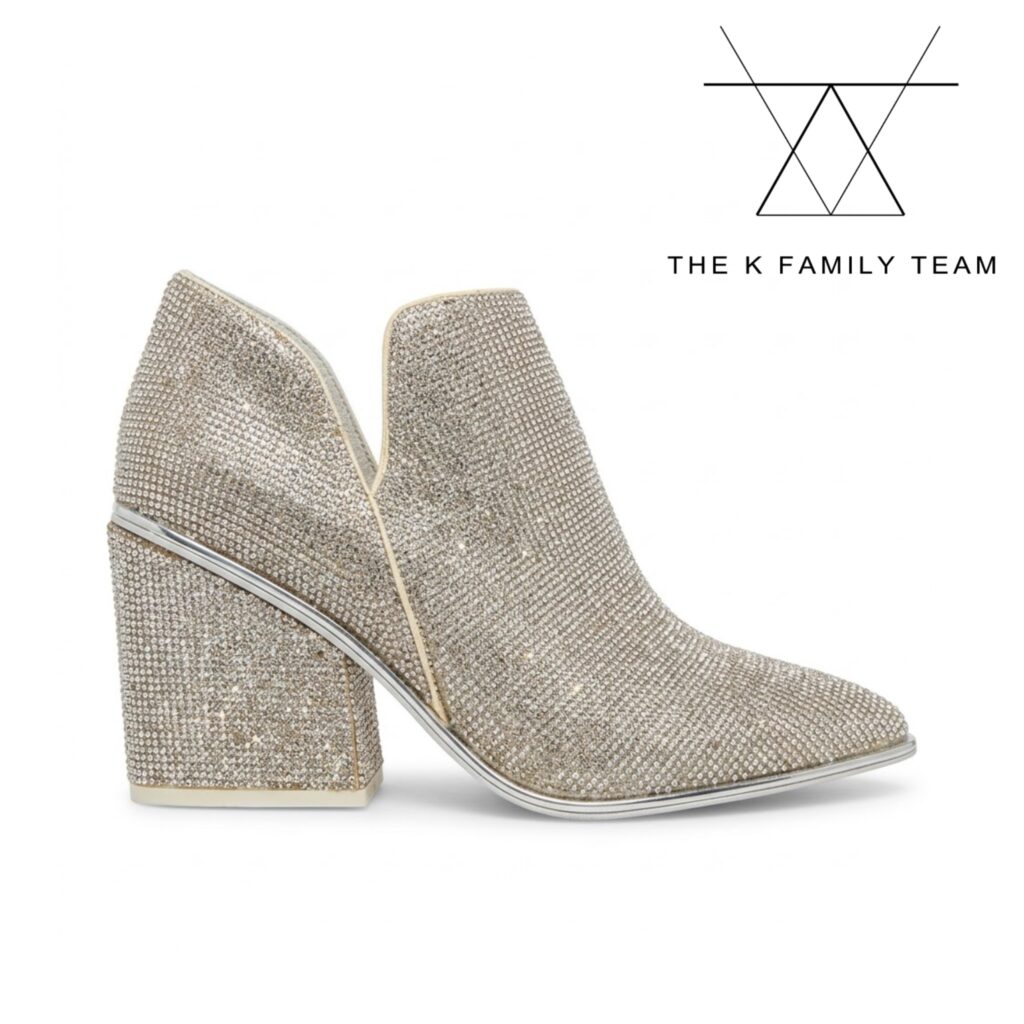
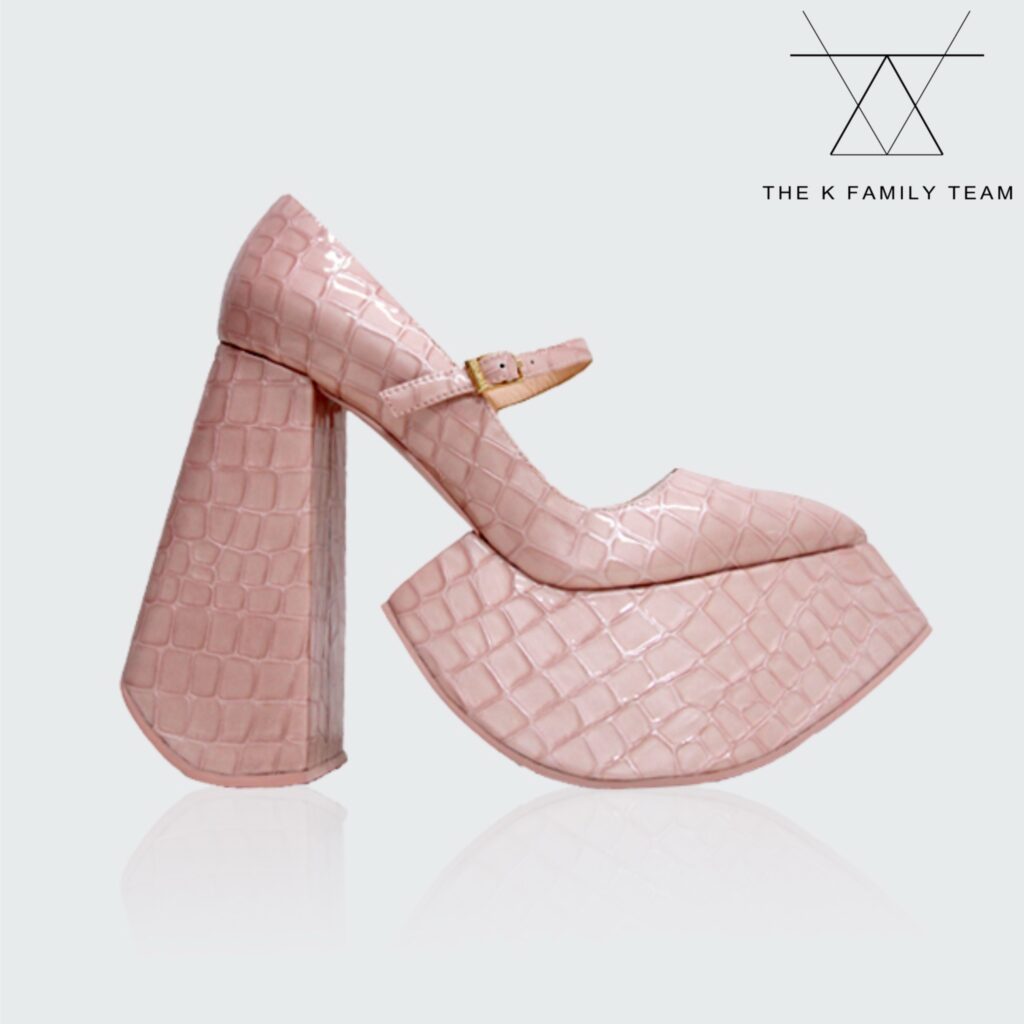
Another noticeable direction for Fall/Winter 2026 is the use of texture and decorative details to make footwear stand out.
Embroidery, embellishments, unusual surface treatments, prints, and distinctive material combinations allow designers to transform familiar shoe silhouettes.
This trend is particularly interesting because the material itself becomes part of the design language.
What designers should consider
Decorative footwear requires careful coordination between material selection and construction.
For example:
- Embellishments need secure attachment.
- Textured surfaces should remain visually consistent across different shoe panels.
- Material combinations need to work together in terms of thickness and flexibility.
- Decorative elements should not interfere with comfort or everyday usability.
For luxury footwear brands, these details can become important elements of product differentiation.
What These Trends Tell Us About the Future of Footwear Design
Looking across these six directions, one theme becomes clear: footwear design is increasingly about balancing visual identity with technical execution.
A shoe may look simple, but its development can involve multiple decisions about materials, construction, fit, stability, and finishing.
Three broader observations stand out.
First, classic silhouettes still have room for innovation.
Biker boots, T-straps, pumps, and kitten heels are not new concepts. Their renewed appeal comes from reinterpretation through proportion, materials, and detailing.
Second, material selection is becoming a more visible part of design.
Texture, flexibility, surface treatment, and material combinations can fundamentally change the character of a shoe.
Third, the technical development process matters as much as the initial sketch.
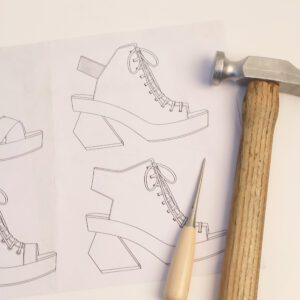
A successful footwear concept must move through pattern development, material testing, prototyping, fitting, and refinement before it becomes a production-ready product.
From Fashion Inspiration to a Production-Ready Shoe
For independent designers and emerging footwear labels, translating a trend into a finished product can be one of the most challenging parts of building a collection.
A strong concept needs a manufacturing partner who understands both the creative intention and the technical requirements behind the design.
At THE K FAMILY TEAM, footwear development brings together artisanal craftsmanship, design engineering, and product prototyping.
Our work includes:
- Hand-lasted footwear development.
- Custom last and mold development.
- 3D modeling alongside traditional footwear techniques.
- Small-batch luxury footwear development.
- Sample prototyping for designer collections.
Whether the starting point is a sculptural heel, a new boot silhouette, or an experimental material combination, the goal is to help turn a design concept into a carefully developed footwear product.
Have a footwear concept in mind for your next collection?
Contact THE K FAMILY SHOE FACTORY to discuss your footwear development and prototyping requirements.
Frequently Asked Questions
What are the biggest footwear trends for Fall/Winter 2026?
Key directions include biker boots, sock boots, kitten heels, T-strap shoes, sculptural cone heels, and textured statement footwear. These styles reinterpret familiar silhouettes through materials, proportions, and distinctive details.
What makes a luxury footwear design successful?
A successful luxury footwear design combines a distinctive visual identity with appropriate materials, thoughtful construction, comfortable fit, and consistent finishing quality.
Why is prototyping important in footwear development?
Prototyping allows designers to evaluate shape, fit, material behavior, construction, and overall appearance before moving forward with production.
What should designers consider when developing sculptural heels?
Designers should consider heel geometry, weight distribution, stability, attachment strength, material selection, and the relationship between the heel and the sole.
Can emerging footwear brands develop small-batch collections?
Small-batch development can help emerging brands test designs, refine products, and respond to market demand without immediately committing to large production volumes. Actual order arrangements depend on the manufacturer’s capabilities and project requirements.
Fashion trends are constantly evolving. The design insights in this article are intended to help footwear professionals interpret current runway directions and explore their practical development possibilities.
Editorial reference: Vogue, Get to Know the Top Fall/Winter 2026 Shoe Trends, November 5, 2026; British Vogue, Get To Know The Top Autumn/Winter 2026 Shoe Trends, November 6, 2026.