As explored in recent case studies by The Business of Fashion, successful category expansion can unlock rapid growth and long-term longevity for fashion labels. However, in an era dominated by viral hype and fleeting trends, companies frequently stumble by chasing quick wins at the expense of their core identity. Whether a brand is moving from apparel into footwear, or expanding its accessory lines, getting category expansion right requires a delicate balance between agile market responsiveness and a coherent, unwavering brand point of view.
For independent designers, boutique houses, and private-label collections, understanding this blueprint is essential for sustainable growth.
Aligning Expansion with Core Identity, Avoiding the Hype Trap
The temptation to launch new product lines simply because a specific segment is trending can be overwhelming. Yet, as industry analysts point out, consumers quickly spot superficial cash grabs.
When expanding into new categories—such as transitioning from signature apparel to specialized footwear or introducing complex accessories—a brand must anchor its strategy in its core DNA:
Authenticity over Imitation: Your new product line must feel like a natural evolution of your brand’s story, not an awkward pivot.
Leveraging Core Competencies: For instance, if your brand is built on superior craftsmanship, uncompromising attention to detail, and ergonomic comfort, those exact values must translate seamlessly into any new product category you introduce.
At The K Family Shoe Factory, we collaborate daily with visionary designers who understand that expanding a brand into luxury footwear requires honoring traditional master craftsmanship while exploring fresh creative horizons.
Marrying Market Demand with Precision Execution
A successful category expansion is never built on guesswork; it is driven by a rigorous alignment of market demand and operational readiness. Before committing capital to a new line, brands must evaluate whether there is a genuine, long-term consumer need or just a temporary spike in online chatter.
Once the direction is validated, execution becomes everything. In footwear and high-end accessories, execution relies heavily on:
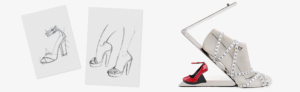
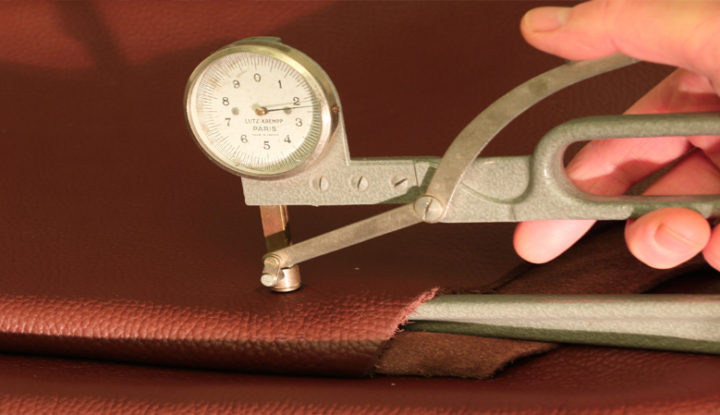
Micro-Precision Engineering: Translating creative sketches into physical products that maintain structural integrity and comfort.
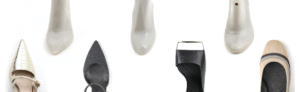
Controlled Prototyping: Working closely with experienced manufacturing partners to test materials, weights, and finishes before scaling production.
The Role of Flexible Supply Chains in Smart Expansion
One of the biggest pitfalls brands face during category expansion is inventory overextension. Traditional manufacturing models often force brands into massive minimum order quantities (MOQs), creating heavy financial risks when launching an unproven new category.
Smart expansion requires operational agility:
Small-Batch Flexibility and Zero MOQ: Partnering with agile manufacturers allows emerging and established brands to introduce test capsules or limited-edition category extensions safely.
Transparent Collaboration: A true manufacturing partner acts as an extension of your team, providing technical expertise, ethical sourcing, and flawless quality control so you can focus entirely on brand vision and marketing.
Expanding with Purpose and Precision
Category expansion is one of the most powerful levers for long-term brand success, but it rewards discipline, authenticity, and operational excellence. By refusing to chase hollow hype and instead anchoring new product lines in deep craftsmanship and flexible manufacturing, brands can scale fearlessly.
Ready to expand your collection into luxury footwear? Partner with The K Family Shoe Factory to bring your next product category to life with master precision and agile production.